



Trump Extends Iran Ceasefire Pending Proposal: Hormuz Blockade Stays Firm Amid Tense Diplomacy
By State Correspondents News Desk | April 22, 2026 | Washington/Tehran
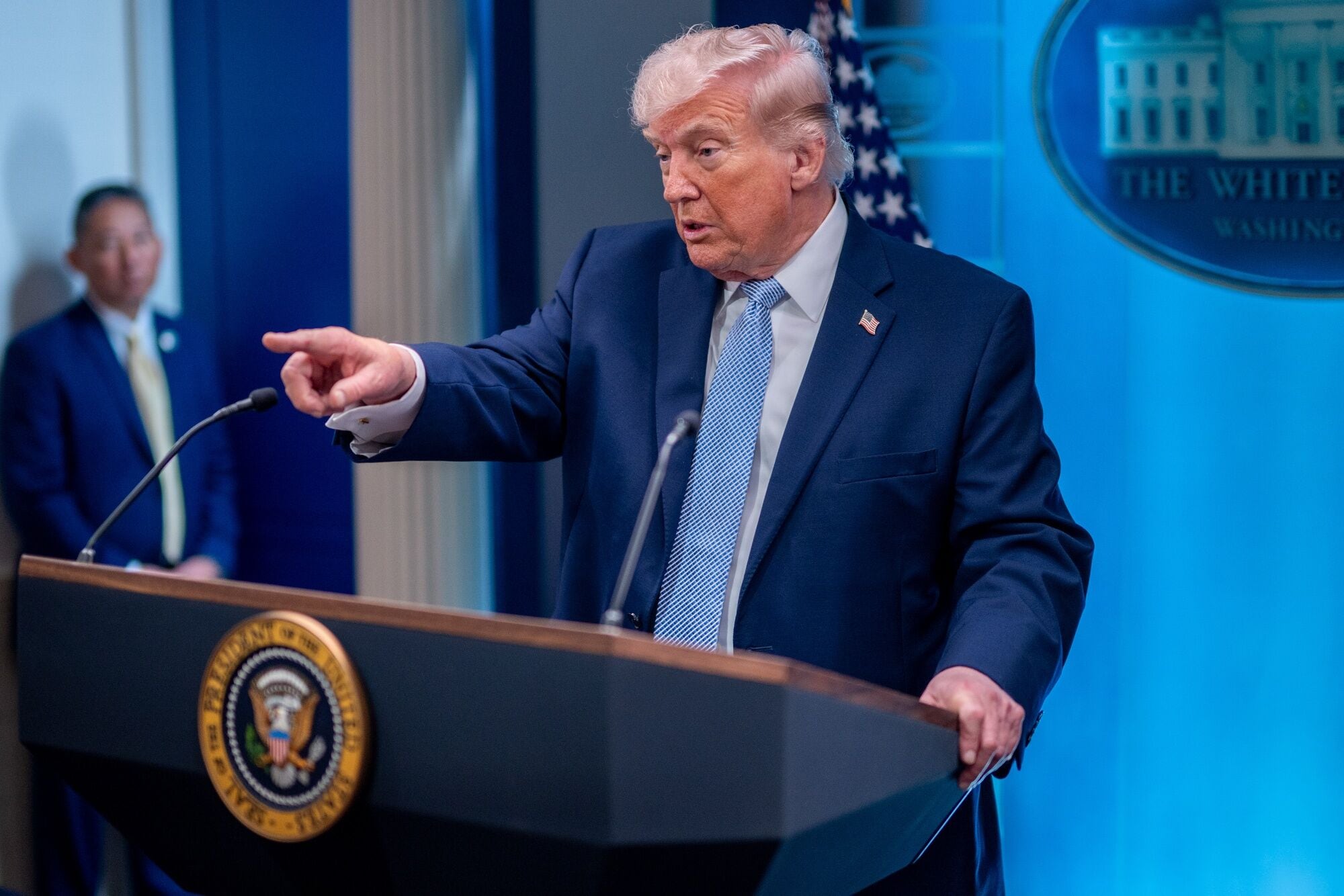
In a pivotal announcement that has reshaped the volatile West Asia landscape, United States President Donald Trump has extended the ongoing ceasefire with Iran indefinitely, conditioning its continuation on Tehran’s submission of a concrete proposal to end hostilities. Crucially, the US naval blockade of the Strait of Hormuz—a chokepoint for 20% of global oil flows—remains firmly in place, intensifying economic pressure on Iran while buying time for diplomatic maneuvers.
The Announcement: A Strategic Pivot
Trump’s decision, revealed via a Truth Social post late Tuesday, came just hours before the original ceasefire—brokered a week earlier—was set to expire. “I have therefore directed our Military to continue the Blockade and, in all other respects, remain ready and able, and will therefore extend the Ceasefire until such time as their proposal is submitted, and discussions are concluded, one way or the other,” the president stated, underscoring Washington’s unyielding stance.
The extension follows urgent appeals from Pakistani mediators, including Prime Minister Shehbaz Sharif and Army Chief Asim Munir, who have positioned Islamabad as a neutral broker in the escalating US-Iran standoff. Iran, however, has yet to formally respond, with state media hinting at reservations over the persistent blockade, which Tehran labels an “act of war.”
Roots of the Conflict: From Closure to Counter-Blockade
The current impasse traces back to Iran’s initial closure of the Strait of Hormuz in early April 2026, a retaliatory move amid broader regional flare-ups involving proxies like Hezbollah and Hamas. The US responded swiftly with a naval blockade targeting Iranian ports, seizing vessels and halting traffic to enforce compliance. Daily losses for Iran are estimated at $500 million, crippling its oil-dependent economy and prompting global energy rationing warnings.
Military assets, including the USS Abraham Lincoln carrier strike group, dominate the Arabian Gulf, ensuring no ships reach Iranian waters without clearance. Satellite imagery reveals a near-empty strait for days, with airlines worldwide hiking jet fuel surcharges amid shortages.
Diplomatic Deadlock: Pakistan’s Role and Iran’s Demands
Pakistan’s mediation efforts gained traction after initial talks in Islamabad faltered. US envoys like Steve Witkoff and Jared Kushner were slated for a second round, but Iran balked, demanding the blockade’s lift first. Trump dismissed this as “face-saving,” insisting the strait stays “totally BLOCKADED” until a deal materializes.
>Pakistan’s Leverage: Sharif’s direct plea swayed Trump, highlighting Islam’s potential as a bridge between superpowers. >Iran’s Stance: Foreign Ministry spokesman Esmail Baghaei called the blockade “unacceptable,” with no commitment to Wednesday’s talks. >US Objectives: Full halt to Iran’s nuclear program, missile curbs, and proxy support cessation.Economic Ripples: Global Markets on Edge
Key Impacts of the Hormuz Blockade
>20% of world oil/gas transit halted – prices up 15% in days. >Iran loses $500M/day; global airlines ration fuel. >India, China face shortages; Europe eyes reserves.Oil benchmarks surged as traders brace for prolonged disruption. India’s Jammu-based importers report doubled costs, echoing your local economic concerns. Aviation giants like IndiGo add surcharges, while Gulf allies like Saudi Arabia ramp up output.<>
Regional and Global Reactions
Israel hailed the extension as a “wise pause,” while China urged de-escalation. In J&K, political circles debate spillover risks to energy security. Iran’s Revolutionary Guards warn of “3 oil targets,” heightening fears of retaliation.
Trump’s reversal—from strike threats to extension—signals tactical flexibility, but skeptics see it as yielding to pressure. As talks loom, the world watches if diplomacy triumphs over blockade brinkmanship.
Outlook: Path to Peace or Prelude to War?
With no deadline set, the ceasefire’s fate hinges on Iran’s response. Success could reopen Hormuz, stabilize markets, and reshape West Asia. Failure risks escalation, with US strikes on infrastructure on the table. For now, Trump’s gamble keeps the powder dry while squeezing Tehran.
State Correspondents will monitor developments. Share your views: Will Iran bend or break?