




LIVEThe Red Wall Crumbles: Starmer Faces Leadership Crisis as Reform Party Historic Gains Shake UK
Early results from the 2026 UK General Election suggest a devastating blow for the Labour Party, while the Reform Party achieves its most significant electoral breakthrough in decades.
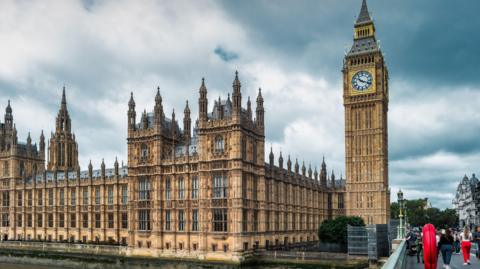
British politics has been sent into a tailspin this morning as the first wave of results from the 2026 General Election indicates a massive rejection of the incumbent Labour government. In what many are calling a “Political Earthquake,” Sir Keir Starmer’s party has seen dozens of safe seats fall, not to the traditional Conservative opposition, but to a surging Reform Party. The scale of the shift has sparked immediate speculation regarding the Prime Minister’s future at 10 Downing Street.
A Breakthrough for Reform: The “Farage Factor” 2.0
The headline story of the night remains the unprecedented performance of the Reform Party. Having campaigned on a platform of radical tax cuts, strict migration controls, and a complete overhaul of the “Westminster Bubble,” the party has successfully tapped into a deep well of voter disillusionment. Early declarations in the North of England and the Midlands show Reform candidates overtaking Labour in areas that were once considered the “Red Wall” heartlands.
Political analysts suggest that the Reform Party’s message resonated particularly well with voters who feel that the Labour Party has drifted too far from its working-class roots. “This isn’t just a protest vote anymore,” says Dr. Helena Thorne, a leading electoral strategist. “This is a fundamental realignment of British politics. The Reform Party has moved from the fringes to become a kingmaker in several key regions.”
Key Takeaway: The Death of the Two-Party System?
For decades, British elections have been a binary choice between Labour and the Conservatives. 2026 marks the first time a third party has captured a double-digit seat count through a direct challenge to the primary manifestos of the two major players. The surge in Reform’s popularity suggests that the UK electorate is increasingly looking for “disruptor” politics.
Keir Starmer: A Leader Under Fire
Inside Labour HQ, the mood is described as “somber and shell-shocked.” Sir Keir Starmer, who entered the campaign with a moderate lead in the polls, is now facing questions about his strategic direction. The early losses include several high-profile cabinet members, leaving the government’s frontbench looking increasingly fragile.
Critics within the party are already pointing the finger at the leadership’s failure to address “bread and butter” issues like the cost of living and healthcare wait times with enough urgency. There are reports of shadow cabinet members discussing a “leadership transition” if the final seat count falls below the majority threshold. Starmer’s “steady as she goes” approach, which served him well in 2024, appears to have failed to ignite the necessary enthusiasm in 2026.
The Conservative Conundrum
Interestingly, the Conservative Party has neither gained nor lost significant ground in the early hours. While they have managed to hold on to their core southern seats, they have failed to reclaim the voters who defected to Reform. The Tory leadership now finds itself squeezed between a defensive Labour and an aggressive Reform, struggling to define its own identity in a fractured three-way race.
What Happens Next?
As the “Golden Hour” of results approaches, all eyes remain on the final declarations from London and Scotland. If Labour fails to secure an absolute majority, the UK could be headed toward a “Hung Parliament.” In such a scenario, the Reform Party would hold immense leverage, potentially demanding major policy concessions in exchange for support.
For **State Correspondents**, the primary question remains: Can Keir Starmer survive the weekend? Or is the UK about to witness a historic change in leadership at the very top of government? We will continue to bring you live updates, seat-by-seat breakdowns, and expert commentary as the situation evolves.