




Historic Saffron Surge in Bengal: BJP Secures Landslide Victory; Governor Dissolves Assembly Amid Mamata’s Defiance
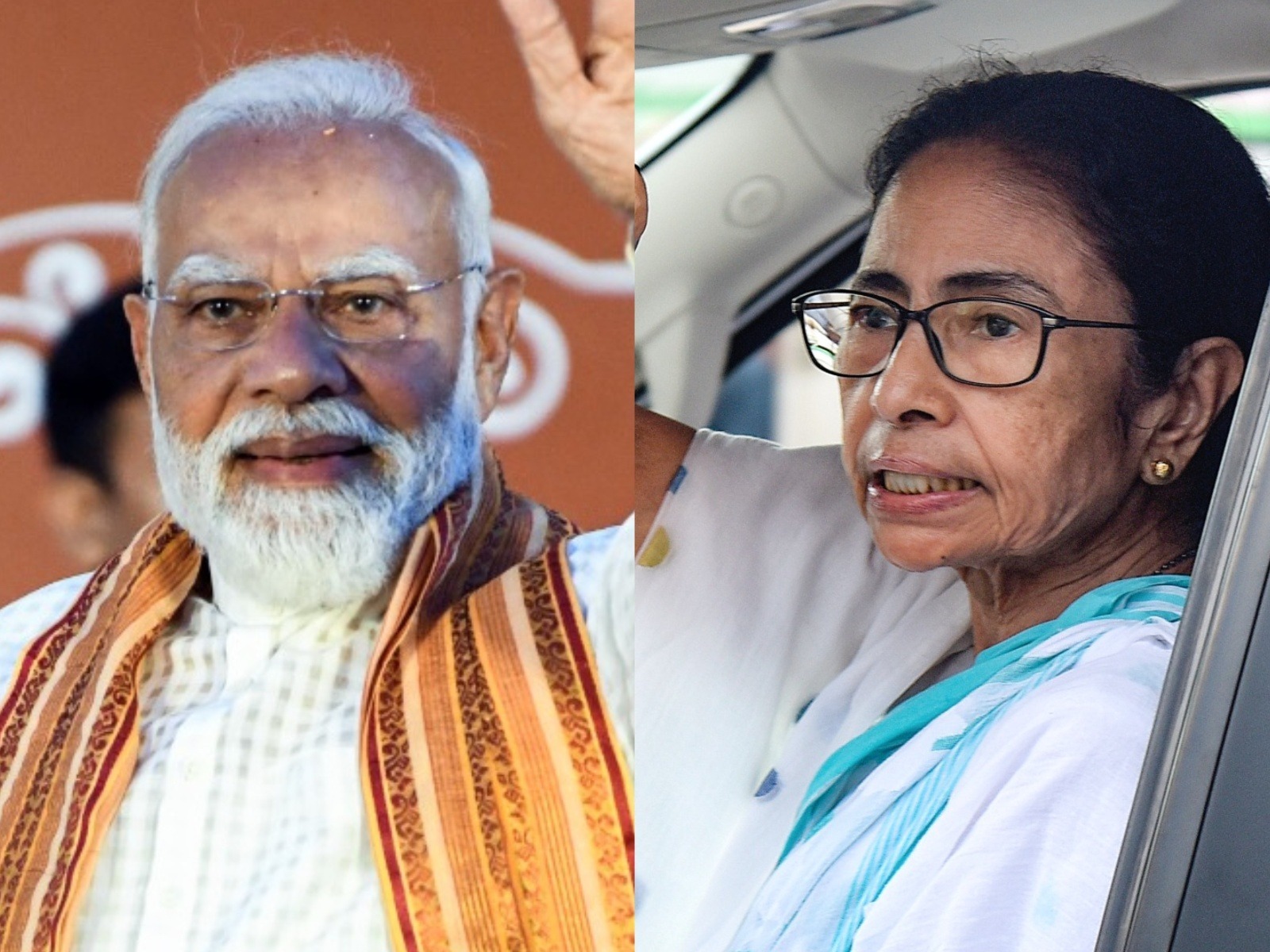
In a seismic shift that has rewritten the political geography of Eastern India, the Bharatiya Janata Party (BJP) has emerged victorious in the 2026 West Bengal Assembly Elections, dismantling the 15-year-old fortress of the All India Trinamool Congress (TMC). However, the celebration is currently overshadowed by a profound constitutional deadlock. Outgoing Chief Minister Mamata Banerjee has refused to tender her resignation, prompting Governor R.N. Ravi to exercise his constitutional powers and dissolve the Legislative Assembly with immediate effect.
A Saffron Dawn: Breaking Down the Numbers
The 2026 mandate is being hailed by political analysts as a “decisive rejection” of the status quo. The BJP comfortably crossed the magic figure of 148, securing 207 seats in the 294-member house. The TMC, which dominated the state since 2011, saw its tally plummet to a mere 80 seats. The Left-Congress alliance remained largely marginalized, failing to capitalize on the anti-incumbency sentiment.
The most shocking result of the evening came from Bhabanipur, where the TMC supremo Mamata Banerjee lost her home bastion to the BJP’s firebrand leader, Suvendu Adhikari, by a margin exceeding 15,000 votes. This marks a repeat of the Nandigram debacle of 2021, but with far more severe consequences for the ruling party’s leadership.
The Constitutional Standoff: Governor R.N. Ravi Intervenes
The situation in Kolkata turned tense as the results became official. Traditionally, a defeated Chief Minister visits the Raj Bhavan to submit their resignation, paving the way for the single largest party to stake a claim. However, alleging “large-scale irregularities” and “forcible capturing” of over 100 seats, Mamata Banerjee chose to contest the results rather than concede.
With the legal mandate of the 17th Legislative Assembly expiring on May 7, 2026, Governor R.N. Ravi acted swiftly to prevent a power vacuum. Invoking Article 174(2)(b) of the Indian Constitution, the Governor dissolved the house. This move effectively ended Ms. Banerjee’s tenure as Chief Minister, regardless of her refusal to sign a resignation letter.
Article 164 and the Path Ahead
Legal experts suggest that under Article 164, the Governor has the discretion to appoint the Chief Minister who enjoys the confidence of the majority. Since the BJP holds a clear mandate of 207 seats, the Governor’s office is expected to invite the BJP legislative party leader to form the government within the next 24 hours.
The “Giant Killer” Returns: Suvendu Adhikari as Frontrunner
As the dust settles on the electoral battlefield, one name resonates across the streets of Kolkata: Suvendu Adhikari. Having successfully spearheaded the BJP’s “ground offensive” and defeating the Chief Minister in her own seat, Adhikari has emerged as the clear frontrunner for the Chief Minister’s chair.
Sources within the BJP suggest that while other names like Samik Bhattacharya and Agnimitra Paul are in the mix, Adhikari’s deep connection with the grassroots and his combative political style make him the ideal candidate to navigate the transition. Union Home Minister Amit Shah is scheduled to arrive in Kolkata today as a central observer to finalize the leadership choice.
Amit Shah’s Arrival and the Swearing-In Ceremony
The BJP central leadership is leaving no stone unturned to make the transition historic. Prime Minister Narendra Modi has reportedly suggested May 9 for the swearing-in ceremony—a date that coincides with Pochishe Boishakh, the birth anniversary of Nobel laureate Rabindranath Tagore. The choice of date is seen as a strategic move to blend the party’s “Viksit Bharat” vision with Bengal’s cultural ethos.
Amit Shah, along with Odisha CM Mohan Charan Majhi as co-observer, will meet the newly elected MLAs at a luxury hotel in New Town today. The meeting will formally elect the leader of the legislative party, following which the contingent will head to Raj Bhavan to formally stake their claim.
Security Concerns and Post-Poll Tension
Despite the celebratory mood in the saffron camp, reports of sporadic violence have emerged from districts like Birbhum and Howrah. The TMC has alleged widespread attacks on its workers, while the BJP has reported the killing of one of its supporters in Udaynarayanpur. The Governor has directed the State Police and Central Armed Police Forces (CAPF) to maintain a strict vigil and ensure that the transition remains peaceful.
The BJP leadership has issued a stern warning to its cadres to avoid any form of vandalism. “We believe in development, not in vandalism. The culture of post-poll violence must end today,” a senior party leader stated.
A New Era for Sonar Bangla?
The 2026 election will be remembered as a turning point in Indian politics. As West Bengal prepares for its first-ever BJP government, the challenges ahead are immense—from revitalizing the state’s industrial sector to addressing the deep-seated political polarization.