Blood Alliance Forged in Steel: North Korea Opens Pyongyang Museum for Troops Fallen in Ukraine Conflict
Marking the one-year anniversary of the liberation of Russia’s Kursk region, Kim Jong Un and high-ranking Russian dignitaries inaugurated a massive memorial complex to immortalize the “Overseas Military Feats” of North Korean soldiers.
 North Korea Opens Pyongyang Museum for Troops Fallen in Ukraine Conflict
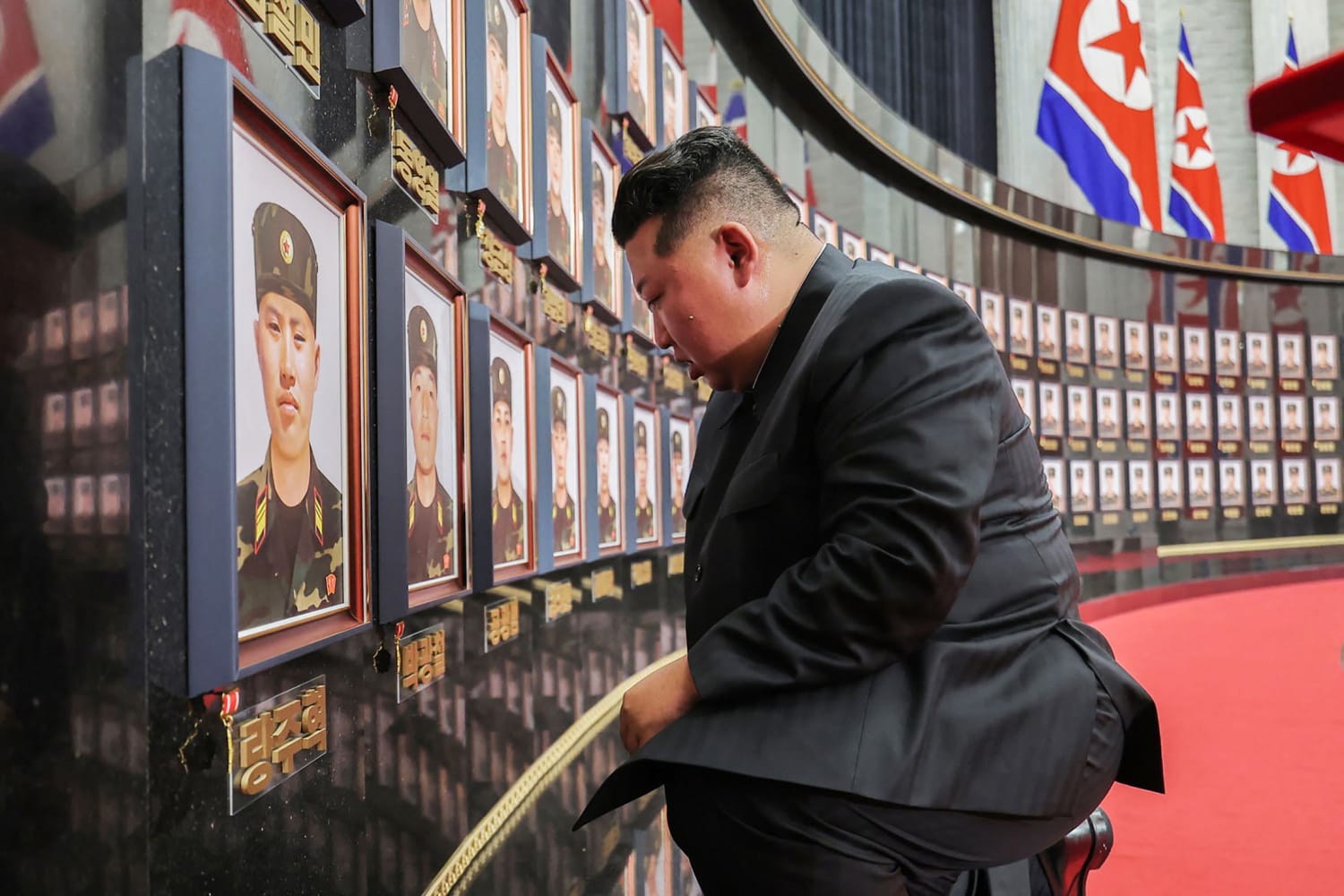
In a move that cements the “comprehensive strategic partnership” between Pyongyang and Moscow, North Korean leader Kim Jong Un officially opened the “Memorial Museum of Combat Feats at the Overseas Military Operations” on Sunday, April 26, 2026. The ceremony, attended by a high-profile Russian delegation including Duma Speaker Vyacheslav Volodin and Defense Minister Andrei Belousov, serves as a stark message to the West regarding the permanence of the Russo-North Korean military axis.
The museum is dedicated to the estimated thousands of North Korean soldiers who were deployed to the Russian-Ukrainian front starting in late 2024. According to the state-run Korean Central News Agency (KCNA), the facility houses personal artifacts, letters, and even captured Western military hardware—including German-made Leopard tanks—seized during the counter-offensive in the Kursk region exactly one year ago.
Analysis: A “History Written in Blood”
During the inaugural speech, Chairman Kim defined the North Korean intervention as a “just struggle against hegemonic aggression.” He praised the fallen troops as heroes who prevented a “Western-led military adventurism” from reaching Russian soil. Intelligence reports from South Korea suggest that while North Korea has suffered significant losses, the regime views the deployment as a strategic masterclass in acquiring modern drone tactics and electronic warfare data.
Casualty Estimates and Deployment Scale
While Pyongyang maintains a strict policy of not disclosing exact troop numbers, international intelligence agencies have provided a clearer picture of the sacrifice. South Korea’s National Intelligence Service (NIS) estimated that as of early 2026, approximately 15,000 North Korean combat troops and 1,000 engineering personnel were stationed in Russia’s border regions.
A Symbolic Ritual of Eternal Solidarity
The ceremony was not merely political but deeply symbolic. Kim Jong Un was filmed performing a ritual where he threw dirt over the remains of a fallen soldier, a rare public display of mourning for “overseas” casualties. Following the burial, Kim and the Russian delegation signed a guest book, with Kim writing that the spirits of the dead will support a “victorious march by the Korean and Russian people.”
Russian President Vladimir Putin also sent a letter of gratitude, read aloud by Volodin, stating that the Russian people “will never forget the heroism” of the North Korean soldiers who fought to defend Russian sovereignty. This acknowledgment is a major diplomatic victory for Pyongyang, which has faced decades of isolation.
The Road to May 9: A Visit to Moscow?
Diplomatic sources in Pyongyang suggest that this museum opening is a precursor to a major state visit. Kim Jong Un is widely expected to travel to Moscow for the May 9 Victory Day celebrations. During this potential summit, Russia and North Korea are expected to finalize a five-year military cooperation plan (2027–2031), which would likely include Russian technical assistance for the North’s fledgling drone units and satellite programs in exchange for continued manpower on the front lines.
This development marks a shift in global power dynamics. The formalization of North Korean “combat heroism” in a museum signifies that Pyongyang no longer considers its military assistance to Russia a clandestine operation. It is now a point of national pride and a core component of its foreign policy. This “blood alliance” poses a direct challenge to the security architecture of Northeast Asia, potentially forcing South Korea and Japan to rethink their own defense postures as North Korean troops return home with invaluable battlefield experience.