

“Helpful” & Strategic: MEA Details NSA Ajit Doval’s Saudi Arabia Visit Amid Deepening West Asia Crisis
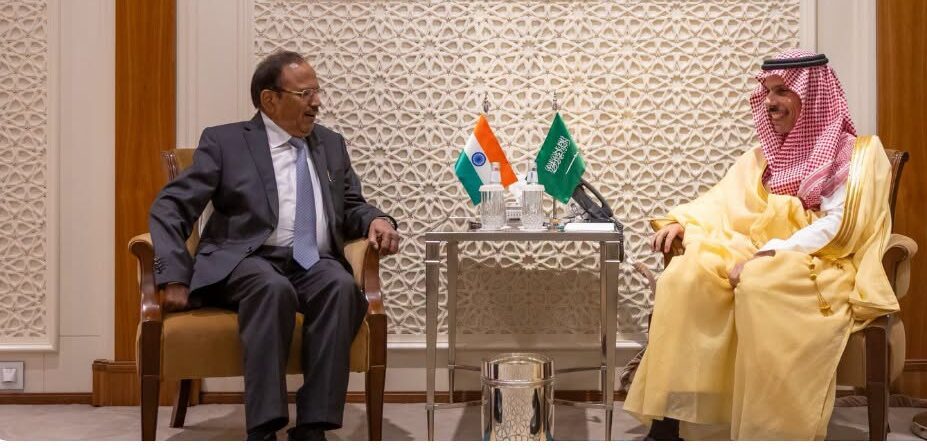 NSA Ajit Doval’s visit to Riyadh marks a critical juncture in India’s West Asia diplomacy.
NEW DELHI: In a high-stakes diplomatic move aimed at insulating India’s economic and strategic interests from the volatile West Asia theater, National Security Advisor (NSA) Ajit Doval conducted an unannounced official visit to Saudi Arabia on Sunday, April 19, 2026.
The Ministry of External Affairs
(MEA) on Monday officially characterized the visit as “helpful,” underscoring New Delhi’s intensified outreach as the region grapples with the fallout of the US-Israel-Iran conflict. Acting on the direct instructions of Prime Minister Narendra Modi, Doval’s mission to Riyadh serves as a cornerstone of India’s calibrated efforts to maintain stability in global energy markets and protect its massive expatriate workforce.
High-Level Parleys in Riyadh
During his stay in the Saudi capital, NSA Doval engaged in extensive discussions with a powerful cohort of Saudi leadership. These included Energy Minister Prince Abdulaziz bin Salman, Foreign Minister Prince Faisal bin Farhan, and his security counterpart, Dr. Musaed bin Mohammed Al-Aiban.
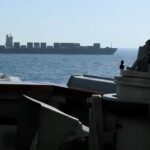
Reliable sources suggest that the timing of the visit is linked to the recent closure of the Strait of Hormuz and the subsequent spike in global crude prices. With India relying on the Gulf for over 60% of its energy imports, the NSA’s dialogue with Prince Abdulaziz bin Salman was centered on ensuring “reliable oil flows” and “stable supply chains” despite the military maneuvers in the Persian Gulf.
The Four Strategic Pillars of the Visit
The MEA’s inter-ministerial briefing highlighted that the discussions were not merely reactive but focused on cementing a long-term strategic architecture between New Delhi and Riyadh. The dialogue was anchored by four essential pillars:
- Securing Maritime Trade Routes: Addressing threats to shipping in the Strait of Hormuz and the Red Sea.
- Energy Security Safeguards: Coordinating with the Kingdom to stabilize energy supplies amid regional spillovers.
- Intelligence Coordination: Enhancing real-time data sharing on regional instability affecting Lebanon, Syria, and Yemen.
- Expatriate Safety: Ensuring the welfare of over 9 million Indians living and working in the Gulf region.
India’s Calibrated Stance on West Asia Conflict
As the conflict threatens to escalate into a broader regional war involving Lebanon and Syria, India has maintained a delicate balancing act. While New Delhi has condemned terrorism and acts of aggression, it has consistently advocated for a “dialogue-based resolution” and the “protection of civilians.”
NSA Doval’s visit follows his recent engagement with Ukraine’s National Security Council, suggesting that India is positioning itself as a credible interlocutor capable of talking to all sides. By engaging with Saudi Arabia—a leading voice in the Islamic world and a key American ally—India is reinforcing its role as a stabilizer in a multipolar world order.
Economic Stakes and Supply Chain Resilience
The 2026 Iran conflict has already disrupted significant shipping corridors, leading to a surge in logistics costs for Indian exporters. During the briefing, Spokesperson Randhir Jaiswal noted that active contact with stakeholders, including Israel and Iran, is essential. However, the Saudi partnership is viewed as the “anchor of stability” for the India-Middle East-Europe Economic Corridor (IMEC), which remains a priority for the Modi administration despite the current hostilities.
State Correspondents has learned that a follow-up visit by the External Affairs Minister is likely in the coming weeks to formalize some of the security protocols discussed by the NSA.
As the situation in West Asia remains fluid, New Delhi’s “NSA-level diplomacy” signals that India is no longer a passive observer of regional crises but an active participant in safeguarding its “strategic autonomy.”
Tags:
Like and Follow State Correspondents Facebook Page Latest International News Iran US War Subscribe for alerts© 2026 State Correspondents. All rights reserved.