


The Fuel Price War: Opposition Weaponizes ‘Post-Election Burden’ Rhetoric as NDA Counter-Attacks with Fleet-Trimming ‘Fuel-Saving Push’
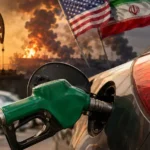
The Central Government’s sweeping decree increasing retail petrol and diesel costs by ₹3 per litre alongside a parallel ₹2 hike in Compressed Natural Gas (CNG) has immediately transformed from a raw macroeconomic shock into a volatile political battleground. Within minutes of the state-run Oil Marketing Companies (OMCs) adjusting their digital boards, a unified bloc of opposition parties launched a coordinated counter-offensive, aggressively framing the pricing adjustments as an intentional, anti-citizen post-election betrayal.
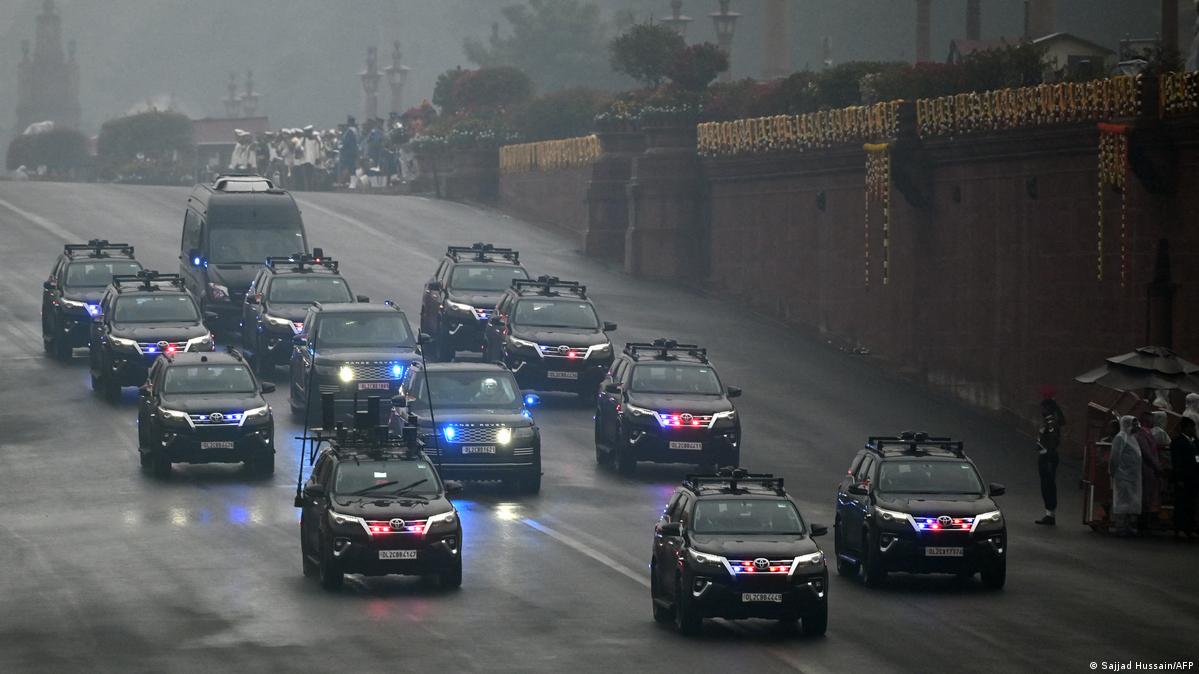
Concurrently, the ruling National Democratic Alliance (NDA) has moved rapidly to seize the narrative of public morality. Rather than attempting a purely technical defense based on import variables, top cabinet figures and regional leaders have weaponized a highly visible “fuel-saving push.” Characterized by immediate, public reductions in standard VIP security convoys and high-consumption motorcades, this deliberate strategic pivot aims to broadcast a profound ethos of national conservation and shared economic sacrifice, modifying the conventional rules of political crisis management in real-time.
The Anatomy of Opposition Pushback: ‘Calculated Democratic Breach’
The fundamental cornerstone of the political pushback centers strictly on the timeline of the price realization. Opposition high commands have observed that the pricing structural block held remarkably stable for over two months despite international oil indices rising wildly. The sudden breakdown of this holding pattern—occurring less than a week after the final phase of intense state legislative voting concluded—has fueled allegations of premeditated fiscal manipulation.
In a joint media briefing convened in the capital, opposition leaders jointly argued that the central cabinet deliberately suppressed natural market price movements to insulate their electoral performance from consumer anger. The resulting adjustments are now being presented to the public as a structural punishment on common households, perfectly timed to bypass the vulnerability of the ballot box.
Core Opposition Allegations & Structural Arguments
The principal critique centers on structural timing: the opposition argues that if public OMCs were bleeding nearly ₹1,000 crore a day under global pressures, the delayed implementation proves that political preservation consistently overrides standard corporate governance and transparency parameters for state entities.
Furthermore, the counter-narrative focuses heavily on the immediate cascading vulnerabilities that a ₹3 diesel hike inflicts on household budgets. Opposition floor managers are actively preparing synchronized regional rallies, pointing out that while the middle class faces elevated retail fuel pump margins, lower-income demographics face an immediate uptick in the baseline cost of essential groceries, regional vegetables, and basic transport logistics.
The NDA Counter-Strategy: The Visual Architecture of Shared Austerity
Recognizing the volatility of the opposition’s populist messaging, the strategist block within the National Democratic Alliance opted against standard bureaucratic deflection. Instead, the administration launched an immediate corporate and personal energy conservation template designed to shift focus from the price point to structural national preservation.
The most visible component of this strategy is the rapid reduction of official ministerial security motorcades. Traditionally, senior administrative figures navigate metropolitan areas using extensive fleets comprised of five to eight high-displacement security SUVs. Under the newly enacted “fuel-saving push,” high-ranking alliance leaders have publicly capped their working urban convoys to a maximum of two support vehicles, shifting secondary personnel to unified transit or lower-emission platforms.
Inside the ‘Fuel-Saving Push’ Protocols
The current initiative marks a strategic shift from standard defense to proactive communication. By physically removing massive security escorts from public roads, the ruling coalition visually reinforces that the state sector is directly absorbing the conservation strain alongside ordinary commuters.
This emphasis on conservation is designed to align with broader, long-term strategic energy targets. Ministry sources report that internal circulars have already gone out across all central secretariats, ordering an aggressive 15% drop in non-essential fuel allotments for executive operations. By translating a complex macroeconomic deficit into an immediate, visible display of personal fiscal discipline, the alliance is working to neutralize the opposition’s accusations of elite detachment.
Parallel Realities: Analyzing the Dual Narratives
To understand the long-term political impact of this energy crisis, it is essential to compare the contrasting operational playbooks being deployed across both spectrums of the political aisle.
Opposition Strategic Focus
Focuses entirely on consumer pricing impact, structural timing anomalies, corporate metrics of OMCs, and regional inflationary pressures on the common citizen.
NDA Strategic Counter-Focus
Emphasizes national security challenges, the external maritime crisis along the Strait of Hormuz, visual VIP austerity, and long-term supply conservation.
This political divide highlights a deeper structural debate over how India handles international economic shocks. While one side demands absolute financial shielding for the end consumer through deeper state subsidy allocations, the other emphasizes structural adjustments and collective adjustments to safeguard macro-fiscal stability.
The Economic Ground Reality Behind the Political Theater
While the political theater plays out across primetime news networks, the real economic impact continues to build across industrial and agricultural production belts. The parallel upward adjustments in CNG pricing are causing friction in regional urban transport hubs, forcing long queues at commercial gas stations as supply caps begin to bite.
Independent retail analysts indicate that the political survival of both messaging strategies will ultimately depend on the duration of the international supply crisis. If the blockade of the Strait of Hormuz persists through the next quarter, forcing Brent crude to settle permanently above the hundred-dollar threshold, the current visual austerity measures will need to transition into deeper structural reforms to keep inflation firmly in check.
Anticipated Policy Shifts Over the Next 60 Days
- State VAT Re-alignments: Several states led by opposition coalitions are currently exploring localized reductions in state-level fuel taxes to counter the central hike, setting up a complex balance between central and state fiscal responsibility.
- Accelerated Commercial EV Mandates: The Ministry of Transport is reportedly considering fast-tracking green logistics incentives for last-mile delivery fleets to bypass localized fuel variables entirely.
- Enhanced Strategic Reserve Auditing: Parliament is expected to face high-intensity debates regarding the exact management and drawdown rates of the country’s underground strategic oil reserves.
A Defining Narrative Test for 2026
As the initial shock of the retail fuel price hike settles into the daily reality of the market, the conflict over pricing will serve as a key narrative test for both major political coalitions. The opposition’s focus on post-election timing taps into immediate consumer anxieties, while the NDA’s quick pivot to a visible “fuel-saving push” attempts to reframe the conversation around shared national resilience.
With international maritime channels remaining highly volatile, this situation moves beyond simple political maneuvering. How effectively the government manages this mix of fiscal survival, public message control, and genuine economic pressure will likely shape the domestic policy agenda for the rest of the year.