
Maharashtra reels under heavy rain, landslides and transport disruption as monsoon pressure intensifies
Flooded roads, restricted highway movement and renewed concern over public infrastructure have pushed several Maharashtra districts into emergency response mode, with commuters, rail users and residents facing a difficult start to the week.
Heavy rain has once again exposed Maharashtra’s seasonal vulnerability to landslides, waterlogging and transport disruption, with the Mumbai-Pune corridor and the Konkan belt emerging as two of the most closely watched regions in the current spell of monsoon stress. The latest weather-linked disturbances have affected road movement, raised questions about infrastructure durability and forced authorities to prioritize both commuter safety and rapid debris clearance. In the middle of this pressure, residents are being asked to stay alert, motorists are being advised to check route conditions before travel, and district administrations are under renewed scrutiny over preparedness, response speed and preventive planning.
Chronology of Disruption Across Major Corridors
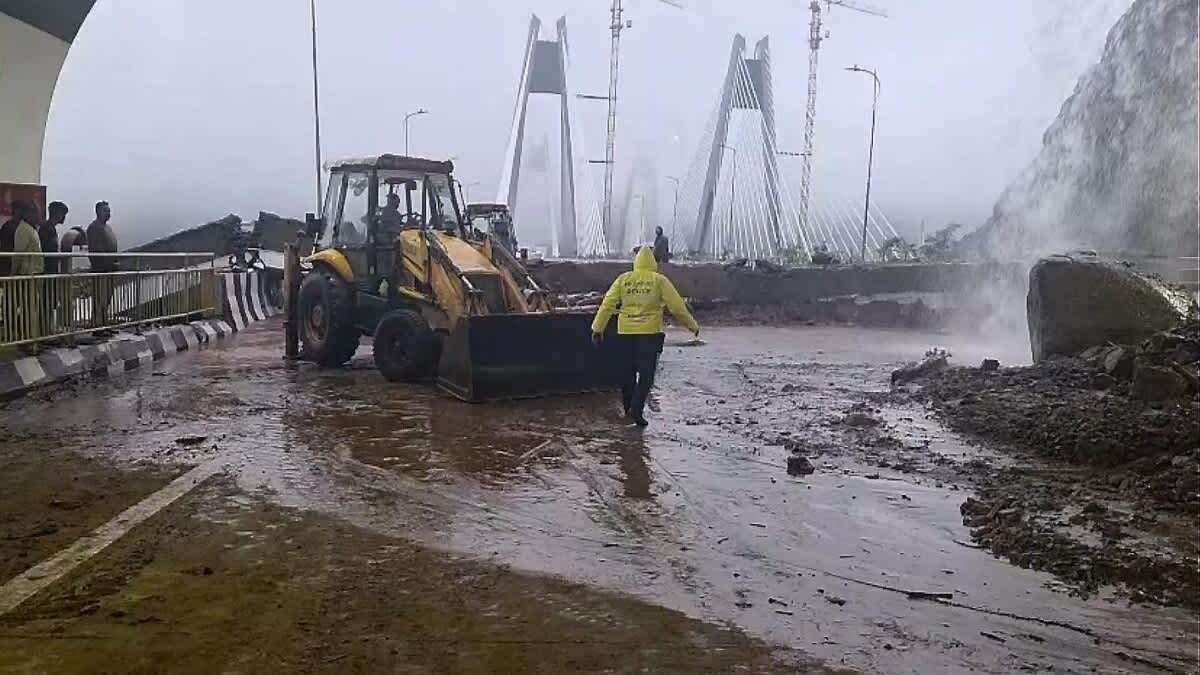
Reports around the Adoshi-Bhor Ghat section indicate falling boulders and active debris movement on the Mumbai-bound carriageway. Authorities temporarily suspend traffic to run mitigation operations.
High-velocity coastal winds coupled with sustained heavy downpours trigger structural cladding detachment on a newly modernized platform wing at Ratnagiri station.
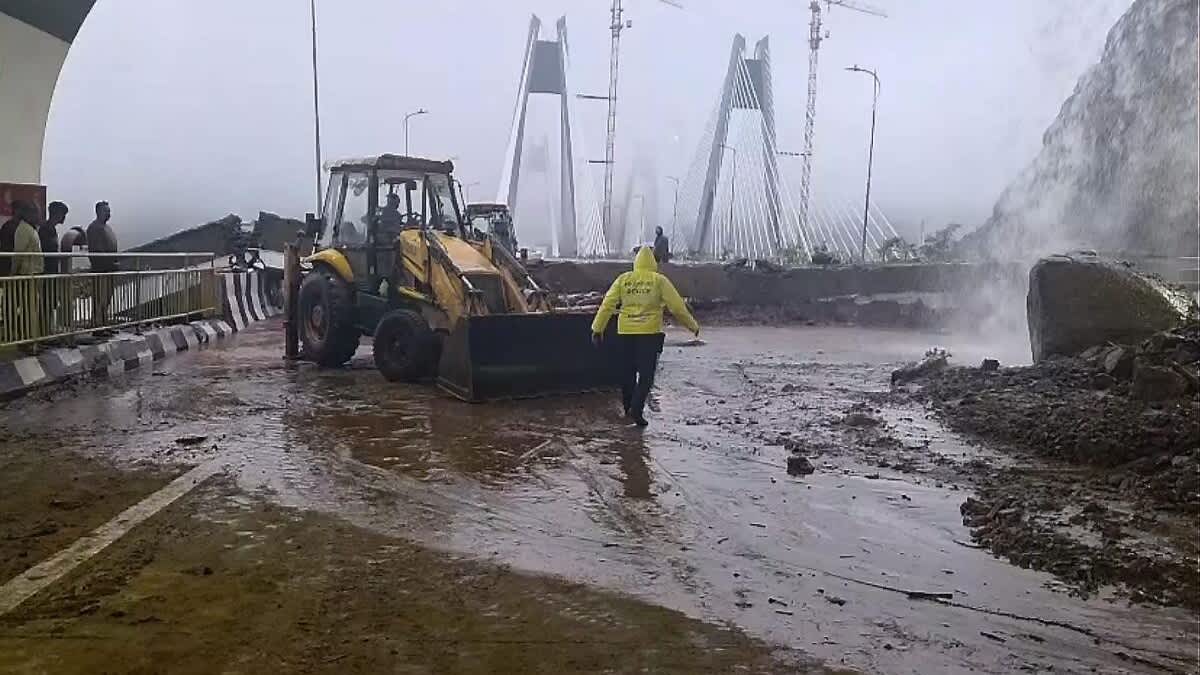
Cascading drainage failures reported across arterial approach links, delaying emergency vehicles and causing major logjams across connected freight routes.
In the Mumbai-Pune corridor, one of the busiest road links in western India, landslide-related disruption has once again interrupted normal traffic flow. Such closures may appear short on paper, but even a limited shutdown on this expressway can trigger long queues, logistics delays, stress for commuters and cascading congestion across linked approach roads. For intercity passengers, transport operators and freight movement, the impact is immediate and often expensive.
Why this story matters
- Maharashtra’s monsoon emergency is affecting highways, rail-linked infrastructure and local road access at the same time.
- Repeated disruption on the Mumbai-Pune corridor directly impacts commerce, emergency travel and daily movement.
- The Ratnagiri roof damage episode has revived debate over the quality, timing and resilience of public infrastructure works in rain-prone regions.
- Flooding and landslides together create a multi-layered crisis that combines transport risk, civic pressure and public anger.
Ratnagiri episode sharpens infrastructure questions
Alongside the highway emergency, attention has also turned toward Ratnagiri, where a roof-and-cladding damage episode at the railway station became a flashpoint for criticism. Images and videos linked to the incident revived public concern about whether newly completed or upgraded public structures are being built with adequate resistance to coastal rain intensity, gusty winds and prolonged monsoon exposure.
The Ratnagiri station issue has resonance beyond the immediate site because it touches on a larger public debate: whether visible beautification and modernization drives are being matched by structural resilience. If roofing sheets, cladding systems or supporting elements fail during a monsoon event, the incident quickly becomes political as well as administrative.
Interactive Transit Risk & Vulnerability Index
Use our real-time newsroom calculator to evaluate regional travel delays based on localized rainfall levels and catchment sensitivity indices.
Flooding widens the crisis beyond transport
What makes the current Maharashtra situation more serious is that landslides are unfolding alongside broader flooding concerns. Waterlogging, overflowing drains, slowed local traffic and localized inundation together create a chain reaction in which even unaffected routes begin to feel the burden of disrupted movement elsewhere.
Administration faces pressure on preparedness
As the rain threat continues, pressure is rising on district administrations, highway authorities, railway officials and disaster-response agencies to act in a coordinated manner. Residents want slope monitoring in landslide belts, drainage cleaning before peak rain, pre-positioned rescue equipment and constant route updates in high-risk corridors. They also want honesty from officials.
What commuters should watch now
For the public, the immediate practical concern is whether travel remains safe and predictable over the next several hours and days. Anyone using the Mumbai-Pune route, hill stretches, station approaches or low-lying urban roads should watch for live advisories from police, district administrations and transport agencies before departure. The return of movement should not be mistaken for the end of danger.