




Iran Closes Airspace Amid Unrest & U.S. Tensions
Global Airlines Reroute; Indian Carriers Impacted as Geopolitical Storm Brews
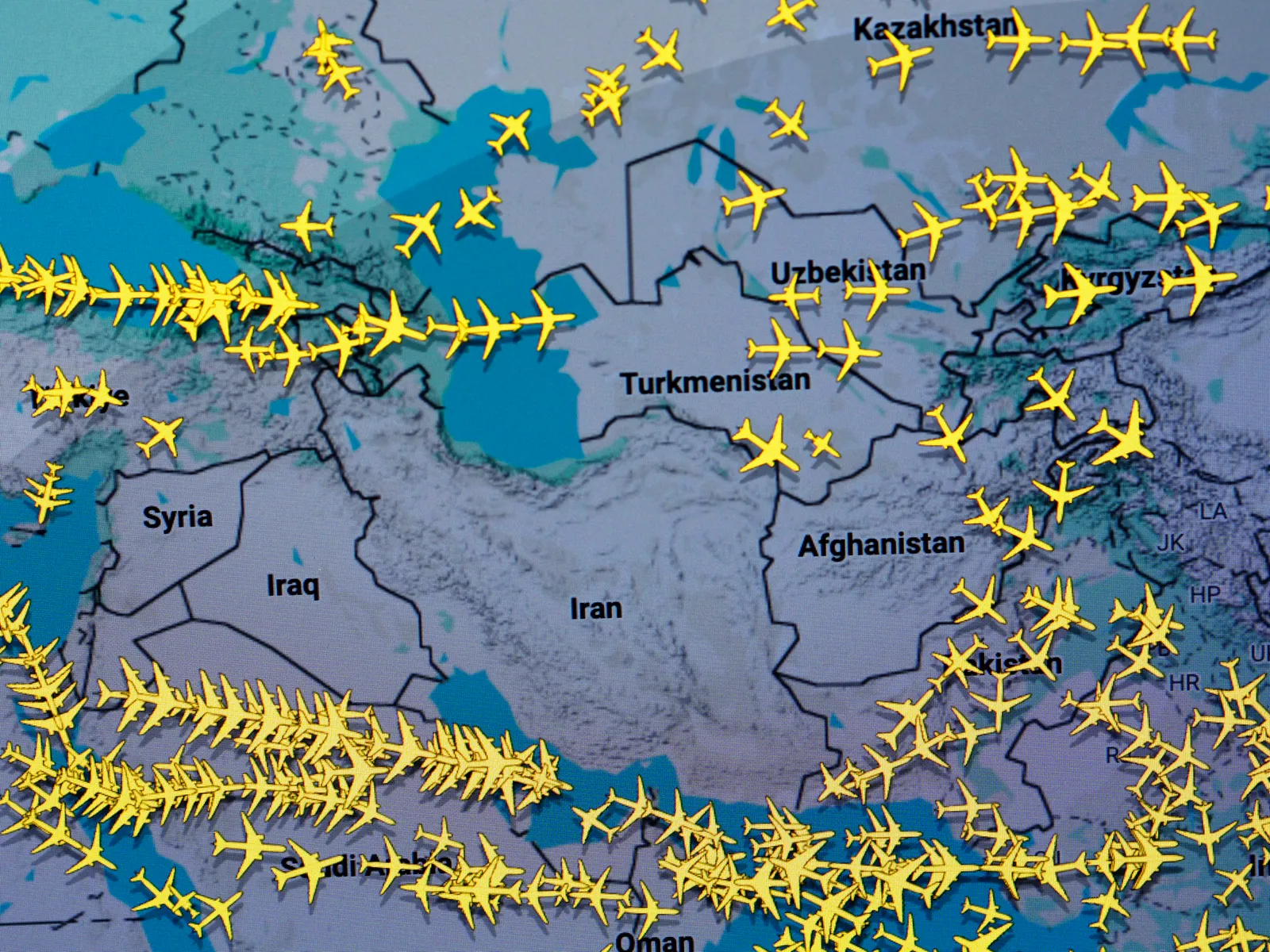
A visual representation of global air traffic adjusting to the recent closure of Iranian airspace.
TEHRAN/NEW DELHI – In a dramatic escalation of geopolitical tensions, Iran has announced the complete closure of its airspace to all commercial and military flights. The move comes amidst intensifying domestic protests across the nation and mounting international speculation regarding potential military action from the United States.
The sudden closure has triggered immediate and significant disruptions to global air travel, particularly for routes connecting Europe and Asia. Airlines worldwide are now scrambling to reroute flights, leading to extended travel times and increased operational costs.
Impact on Indian Carriers and International Routes
Indian airlines, including national carrier Air India and budget airline IndiGo, have been significantly affected. Both airlines have confirmed the cancellation of several overseas routes that traditionally traversed Iranian airspace. Passengers traveling between India and destinations in Europe, the Middle East, and beyond are advised to check with their respective airlines for updated schedules and potential diversions.
- Air India: Several flights to European cities are now being rerouted, with some cancellations reported.
- IndiGo: International services, particularly those heading towards the Middle East and parts of Europe, are undergoing review and modifications.
- European Airlines: Major European carriers like Lufthansa, British Airways, and Air France have also confirmed immediate rerouting measures, with some adding significant hours to their flight durations.
Travel Advisory: Passengers planning international travel in the coming days are strongly advised to contact their airlines directly for the latest information on flight status and route changes. Delays and cancellations are anticipated to continue as airlines adjust to the new flight corridors.
Reasons Behind the Closure: A Volatile Mix
The Iranian government has cited “national security concerns” for the airspace closure, a decision widely seen as a direct response to a confluence of internal and external pressures:
1. Domestic Protests: Iran has been experiencing a wave of widespread and increasingly vocal anti-government protests. While state media has downplayed the extent, international reports suggest significant unrest, prompting authorities to implement stringent security measures, including potential restrictions on internal movement.
2. Fears of U.S. Military Action: Tensions between Washington and Tehran have been exceptionally high. Recent rhetoric from U.S. officials, coupled with observed military movements in the region, has fueled speculation within Iran that the U.S. might be considering military intervention or targeted strikes. Closing the airspace could be a precautionary measure to prevent surveillance or hostile overflights.
3. Geopolitical Chessboard: The Middle East remains a volatile region. Any action by Iran is often viewed through the lens of regional power dynamics, involving Saudi Arabia, Israel, and other players. The airspace closure adds another layer of complexity to an already delicate situation.
Global Repercussions and Diplomatic Fallout
The airspace closure is expected to have far-reaching economic and logistical implications for the global aviation industry. Longer flight paths mean increased fuel consumption, higher operating costs, and potentially higher ticket prices for consumers.
Diplomatically, the move is likely to further isolate Iran and exacerbate its relationship with Western powers. The international community will be closely watching for further developments, particularly concerning the safety and stability of commercial aviation in one of the world’s most critical air corridors.