



India Summons Bangladesh Envoy Over Threats To Indian Mission In Dhaka Ahead Of 2026 Polls
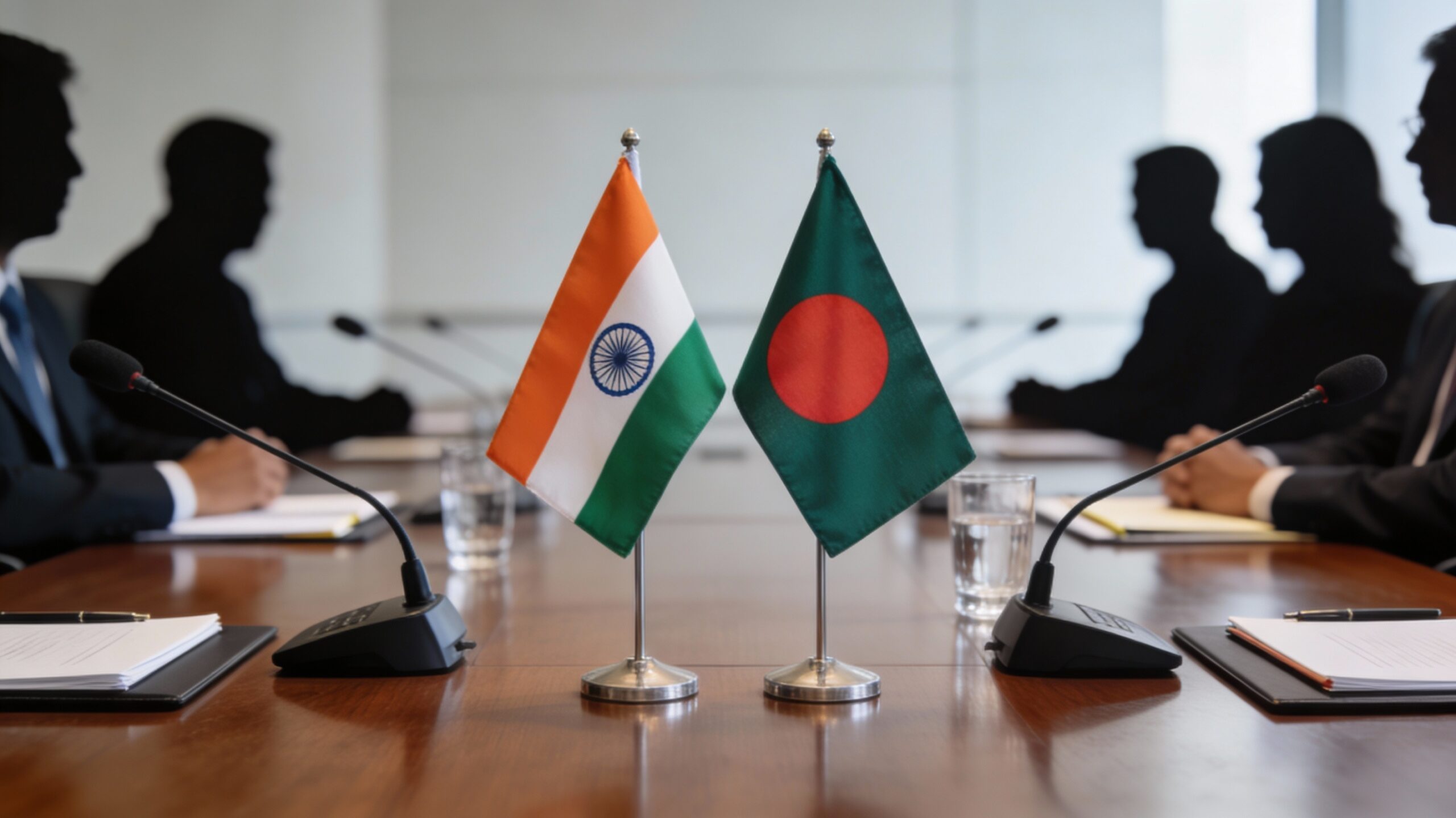
India’s Ministry of External Affairs (MEA) has summoned Bangladesh’s High Commissioner Riaz Hamidullah to convey “strong concerns” over the security of the Indian High Commission and Indian personnel in Dhaka, following public threats issued by extremist groups and escalating political tensions ahead of Bangladesh’s February 2026 elections. The envoy was called to Jawaharlal Nehru Bhavan in New Delhi on 17 December and briefed for around 20 minutes about India’s assessment of the deteriorating security environment in its eastern neighbour.
Extremist Calls For March On Indian Mission
In its official press note, the MEA said Hamidullah’s attention was drawn “in particular to the activities of some extremist elements who have announced plans to create a security situation around the Indian Mission in Dhaka.” Reports from Dhaka speak of a proposed “march” towards the Indian High Commission by hardline groups protesting India’s perceived role in Bangladeshi politics, which prompted Indian authorities to temporarily close the visa application centre and tighten security at the chancery.
India has also flagged recent speeches by National Citizen Party leader Hasnat Abdullah and other figures who threatened to “isolate” India’s northeastern “Seven Sisters” and offer sanctuary to separatist groups if Bangladesh was destabilised, calling the rhetoric “inflammatory and unacceptable”. New Delhi said it “entirely rejects” what it described as a false narrative being pushed by extremist elements about India’s role in recent events in Bangladesh.
India Rejects Dhaka’s Allegations, Seeks Probe
The MEA statement expressed disappointment that Bangladesh’s interim government had neither conducted a thorough investigation into incidents blamed on India nor shared “meaningful evidence” to support its claims. India reiterated that it has “never allowed its territory to be used for activities inimical to the interests of the friendly people of Bangladesh” and urged Dhaka to ensure that law and order is maintained by its own agencies.
The summons comes days after Bangladesh itself called in the Indian High Commissioner in Dhaka to protest alleged “incendiary” comments attributed to former Prime Minister Sheikh Hasina, who has been living in India since being ousted and is accused by the current interim administration of trying to influence the 2026 parliamentary polls. The tit‑for‑tat diplomatic moves highlight how sensitive India–Bangladesh ties have become as the election calendar draws closer.
Call For Free, Fair And Peaceful Elections
New Delhi has used the latest episode to restate its long‑standing line that it supports “free, fair, inclusive and credible elections” in Bangladesh held in a peaceful atmosphere, without appearing to back any particular party. Officials stressed that India’s relationship is with the people of Bangladesh and rooted in the 1971 Liberation War, pointing to ongoing development projects, connectivity corridors and trade concessions that have continued despite political changes in Dhaka.
Strategic analysts say the security of Indian diplomats in Dhaka, rising anti‑India slogans at rallies and mutual summoning of envoys underscore how the 2026 Bangladesh election could shape India’s own security and connectivity interests in the neighbourhood for years to come.