



Winter Session Zeroes In On Economy And Security As Govt Flaunts Lower Trade Deficit, Rural Jobs And Medical Reforms
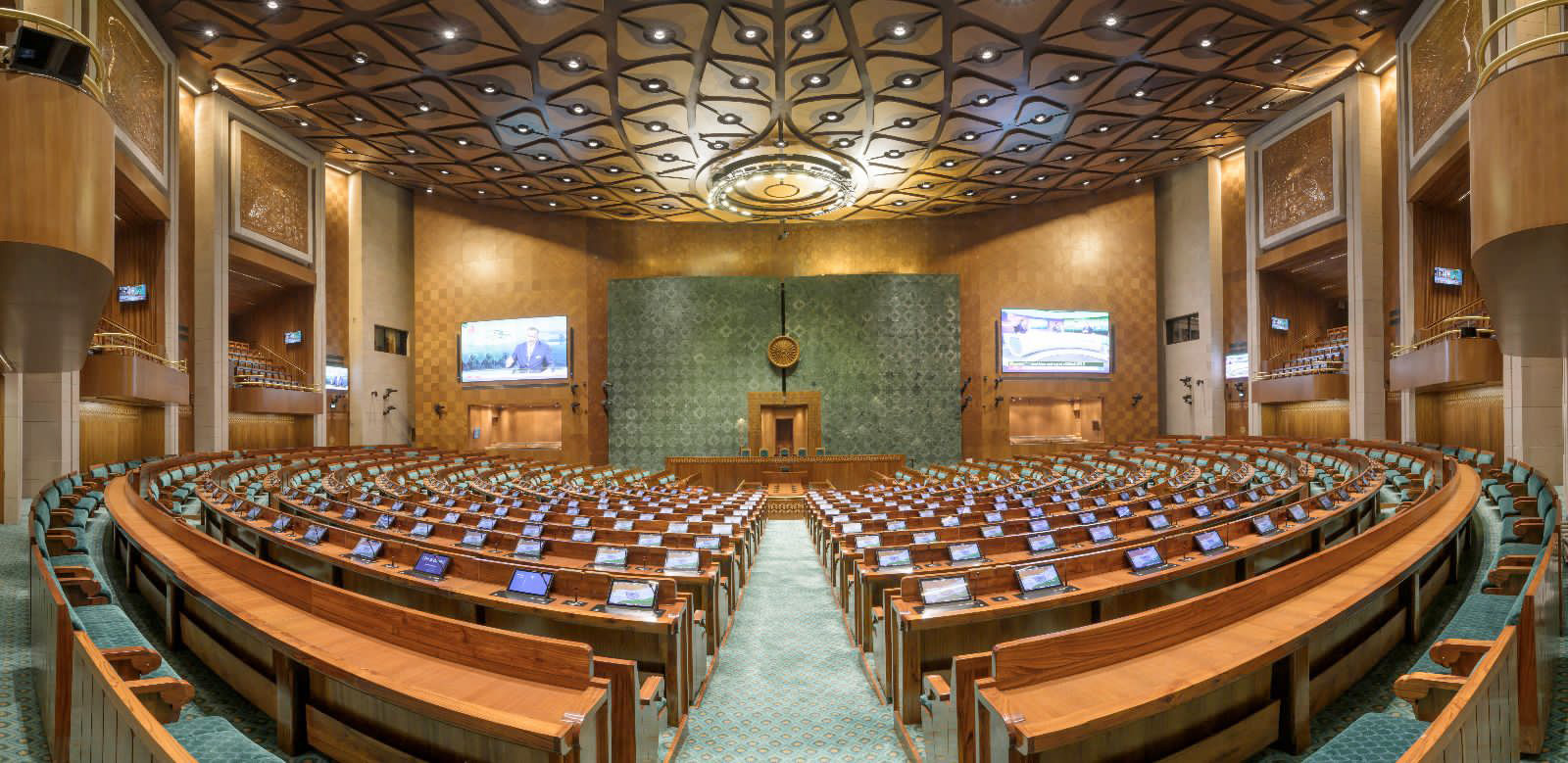
The Winter Session of Parliament, slated for 15 sittings from 1 to 19 December, has seen the government push a reform‑heavy agenda that combines fresh economic legislation with measures on national security and electoral processes. With only a few days left, ministers are using debates and Question Hour to underline a sharp improvement in India’s trade numbers and recent moves to overhaul rural employment schemes and expand medical education capacity.
Heavy Economic And Security Agenda On The Table
The session’s business list includes around 13–14 major bills such as the Atomic Energy Bill 2025, the Insurance Laws (Amendment) Bill 2025, the Securities Markets Code Bill 2025, the Central Excise (Amendment) Bill 2025 and the Health Security and National Security Cess Bill 2025. Together, these proposals seek to liberalise foreign investment in insurance, consolidate fragmented market regulations, update excise provisions on tobacco and pan masala, and create a dedicated health‑and‑security cess to fund key schemes.
Alongside the economic slate, the government has lined up amendments related to the National Highways Act, corporate law changes, and follow‑up discussions on the Special Intensive Revision (SIR) of electoral rolls, which the Opposition says must be examined closely in light of large‑scale deletions.
Trade Deficit Narrows To Five‑Month Low
Commerce Ministry data placed before Parliament show that India’s merchandise trade deficit shrank to 24.53 billion dollars in November, down sharply from a record 41.68 billion dollars in October and its lowest level in five months. Exports rebounded 19.37% year‑on‑year to 38.13 billion dollars, led by engineering and electronics goods, while imports dipped about 1.9% to 62.66 billion dollars on lower shipments of gold, crude oil and coal.
Ministers have argued in both Houses that the narrowing deficit demonstrates resilience in the external sector despite global headwinds and new US tariffs, and that recent measures on GST rationalisation, export promotion and logistics are beginning to show results.
VB‑G RAM G Bill: New Rural Employment Framework
A key highlight of this session is the introduction of the Viksit Bharat – Guarantee for Rozgar and Ajeevika Mission (Gramin) Bill, or VB‑G RAM G, which seeks to replace and overhaul the MGNREGA framework. The draft law proposes a statutory guarantee of 125 days of wage employment per year for rural households, up from the current 100 days, and links works more closely with village‑level development plans and national infrastructure priorities such as PM Gati Shakti corridors.
Rural Development Minister Shivraj Singh Chauhan told the Lok Sabha that the Centre plans to spend over ₹95,000 crore on the scheme, with a focus on graded support for backward panchayats, better convergence with agriculture and special safeguards for women, Scheduled Castes, Scheduled Tribes and persons with disabilities.
Medical‑Education Expansion Cited As Reform Success
The government has also used the session to highlight a rapid expansion of medical education, pointing out that over 48,000 MBBS seats and nearly 29,000 postgraduate seats have been added in the last six years, taking MBBS capacity to around 1.37 lakh seats across more than 800 colleges. A Cabinet decision earlier this year cleared 10,023 new medical seats in government institutions between 2025–26 and 2028–29, with a mix of MBBS and PG capacity aimed at bridging doctor shortages and strengthening district‑level hospitals.
Health officials informed MPs that new National Medical Commission regulations now allow large district hospitals to be converted into teaching facilities and permit simultaneous launch of MBBS and PG courses in new government colleges, which the Centre says will improve specialist availability outside metro cities.
With only a couple of sittings left, the government is pushing to secure passage of its core economic and welfare bills, while the Opposition continues to demand longer debates on electoral‑roll revisions, farmer distress and unemployment, setting up a hectic finish to the Winter Session.