




Maharashtra Cabinet Greenlights Tough Anti-Conversion Bill: Non-Bailable Offenses for Forceful Tactics
By State Correspondents News Desk | March 6, 2026 |
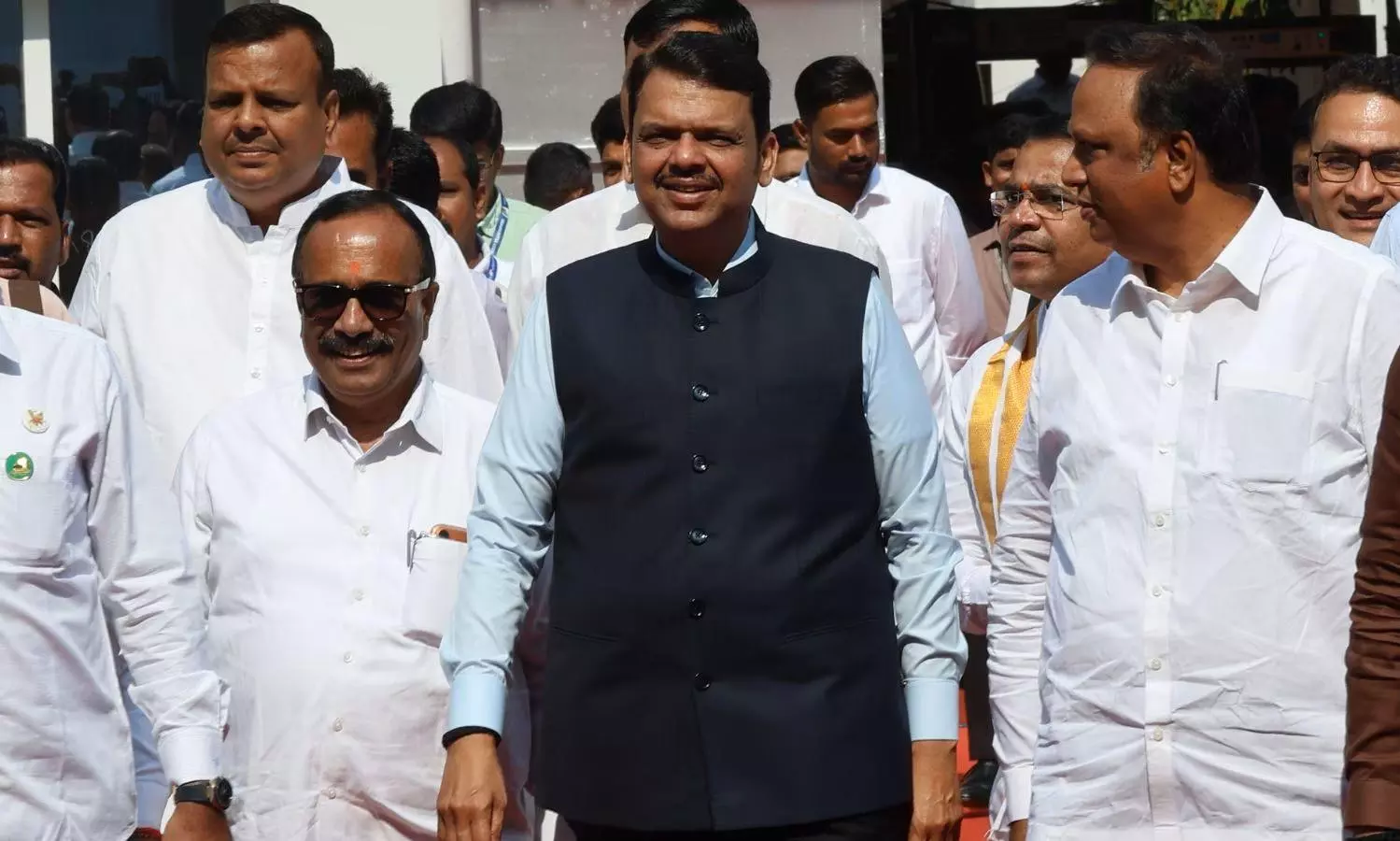
The Maharashtra cabinet has approved the draft of the highly anticipated anti-conversion legislation, officially titled Dharma Swatantrya Adhiniyam 2026, marking a significant step to curb unlawful religious conversions through coercion, deception, or enticement. Fisheries Minister Nitesh Rane announced the decision post-cabinet meeting, emphasizing its stringent measures including immediate arrests for violators, positioning it as tougher than similar laws in Gujarat and Madhya Pradesh. This fulfills a key pre-election promise by the ruling coalition, amid rising demands from Hindutva groups.
Core Provisions of the Bill
Under the proposed law, individuals intending to change their religion must submit a 60-day prior notice to a designated district authority, seeking formal permission before any ceremony takes place. Post-conversion, registration within 25 days is mandatory; failure renders it invalid. Complaints from blood relatives trigger immediate FIRs and probes, treating force, fraud, or allurement as non-bailable offenses punishable by up to 7 years imprisonment and fines up to Rs 5 lakh.
The bill explicitly states that constitutional religious freedom safeguards against unlawful conversions but does not permit coercive practices. It empowers protection for those wishing to revert to their original faith and targets organized mass conversions with enhanced police powers. A Government Resolution detailing technicalities is expected soon, paving the way for assembly introduction.
Minister Rane’s Strong Endorsement
Speaking to reporters at Vidhan Bhavan, BJP leader Nitesh Rane expressed elation: “We promised a robust law against love jihad during elections; today, under CM Devendra Fadnavis, it’s a reality. No one will forcibly convert Hindu girls anymore.” He thanked Deputy CMs Eknath Shinde and Sunetra Pawar, noting years of agitation by activists had culminated in this. Rane highlighted its superiority over existing state laws elsewhere.
Background and Political Context
Maharashtra joins over a dozen states with anti-conversion statutes, spurred by allegations of forced conversions, especially among tribals and via interfaith marriages dubbed “love jihad.” The government formed a high-level committee last year to draft it, incorporating Supreme Court precedents to ensure constitutional validity. Pre-election rallies by BJP and allies amplified calls for immediate action.
Critics, including opposition parties, decry it as divisive, potentially curbing personal freedoms. Supporters argue it protects vulnerable communities from exploitation, citing rising interfaith marriage disputes. The bill’s timing aligns with the ongoing budget session, likely for swift passage.
Comparative Analysis with Other States
| State | Punishment for Force/Fraud | Notice Period | Key Feature |
|---|---|---|---|
| Maharashtra (2026) | 7 yrs jail, Rs 5L fine, non-bailable | 60 days | 25-day registration |
| Gujarat | 10 yrs (aggr), non-bailable | 45 days | Mass conversion ban |
| MP | 10 yrs max | 60 days | Reconversion aid |
| UP | Life for minors | 60 days | Love jihad focus |
Implementation Roadmap
District magistrates will oversee notices and permissions, with police empowered for swift raids on complaints. The law includes safeguards for voluntary conversions via scrutiny. Legal experts predict challenges, but proponents see it bolstering social harmony [web:50]. Training for officials and awareness drives are planned.
Societal Impact and Reactions
Hindutva outfits like RSS affiliates welcomed it, viewing it as empowerment for Hindus. Minority leaders urged caution against misuse. Women’s rights groups highlighted protections against fraudulent marriages [web:48]. Nationally, it reignites debates on secularism versus community safeguards.
“This ensures justice for victims of deception; Maharashtra leads in protecting freedoms.” – Nitesh Rane.
Broader National Trends
With 12+ states enacting such laws since 2021, Maharashtra’s version stands out for procedural rigor. It addresses gaps in IPC sections like 295A (outraging religious feelings). Data shows 500+ FIRs annually in similar states, underscoring need. Future amendments may cover digital inducements.
What’s Next?
The bill heads to the legislature; passage expected amid coalition support. This could set precedents for other states.
Tags:
Like and Follow State Correspondents Facebook Page Latest International News Iran US War Subscribe for alerts© 2026 State Correspondents. All rights reserved.