




Breaking News: Middle East Peace Initiative
Historic 10-Day Israel-Lebanon Ceasefire Takes Effect
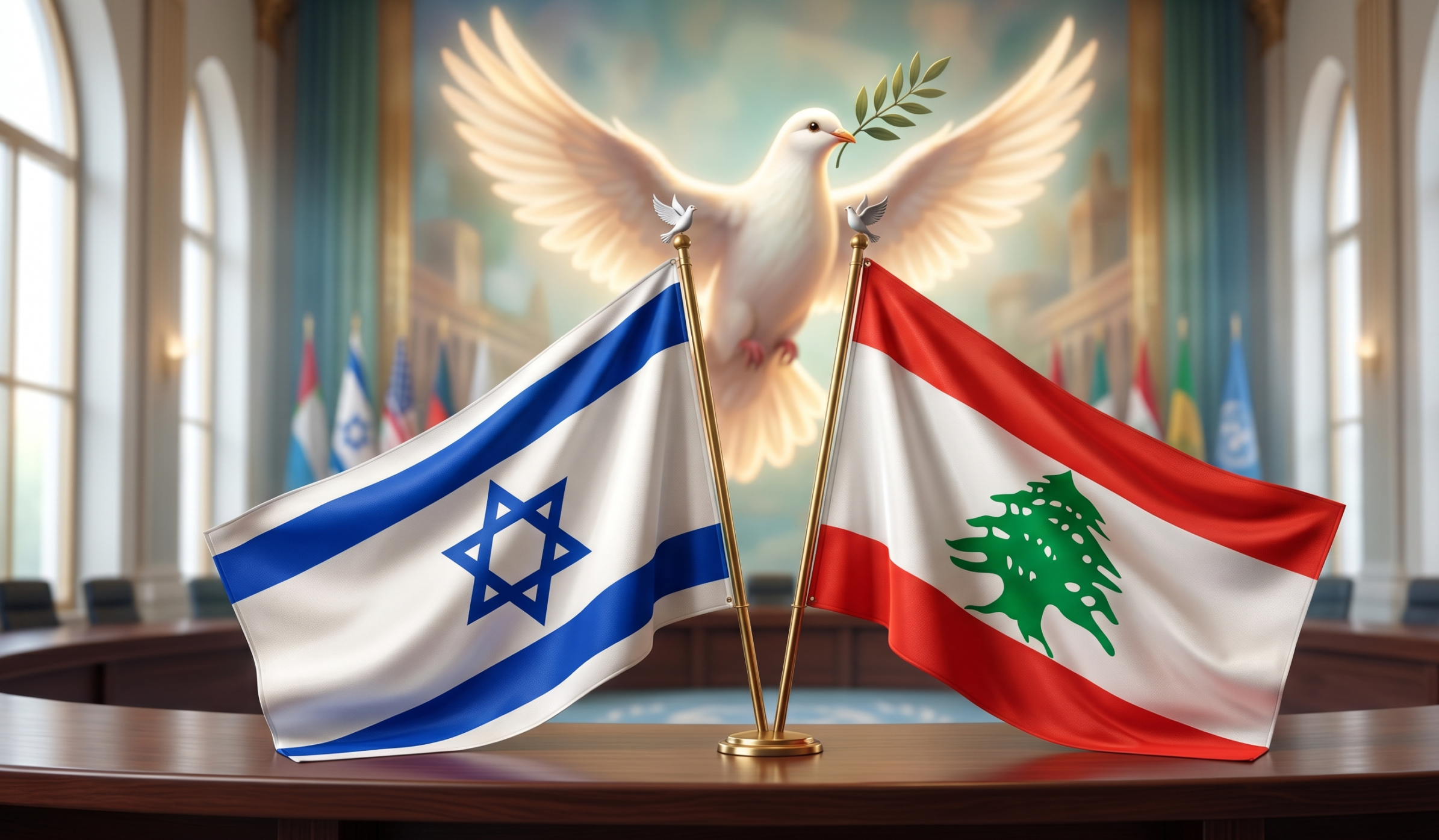
LIVE UPDATES BEIRUT/JERUSALEM — In a monumental diplomatic breakthrough, a 10-day ceasefire between Israel and Lebanon officially went into effect at 5:00 PM EST on April 16, 2026. The truce, brokered by the United States, marks the first significant cessation of hostilities in a conflict that has intensified throughout early 2026.
The agreement was announced by U.S. President Donald Trump following high-level discussions with Israeli Prime Minister Benjamin Netanyahu and Lebanese President Joseph Aoun. This temporary pause is designed as a “gesture of goodwill” to facilitate direct negotiations for a long-term security framework.
Key Provisions of the 2026 Ceasefire Agreement
The 10-day window is not merely a halt in fire but a structured roadmap aimed at reducing the immediate humanitarian crisis while addressing core security concerns on both sides of the border.
| Provision | Details |
|---|---|
| Duration | 10 Days (Initial), potential for extension based on progress. |
| Airstrikes | Complete suspension of Israeli aerial operations over Lebanese territory. |
| Rocket Attacks | Cessation of all cross-border drone and rocket strikes by Hezbollah and allied groups. |
| Troop Deployment | Israeli forces to remain in current positions in southern Lebanon “security zones.” |
| Security Authority | Lebanese Armed Forces (LAF) to be the sole authorized armed body in Lebanon. |
A Fragile Peace: The Conflict Context
The April 2026 escalation followed weeks of intense combat that saw Israeli ground operations push up to the Litani River. The conflict, partially linked to wider regional tensions involving Iran, had resulted in significant civilian displacement and infrastructure damage across Beirut and northern Israel.
Reports from the United Nations indicate that over 1 million people have been displaced in Lebanon since the resumption of major fighting in March. The ceasefire offers a critical window for humanitarian agencies to deliver aid to besieged southern districts and for the international community to stabilize the energy markets, which saw crude oil prices dip by 2% following the announcement.
International Reactions and Global Impact
World leaders have largely welcomed the development, though many remain cautious about the truce’s longevity. The European Commission President, Ursula von der Leyen, described the move as “essential for reducing violence and enabling relief.”
- India: The Ministry of External Affairs welcomed the step, stating, “India supports every effort toward peace in West Asia.”
- Hezbollah: While not a direct party to the signing, the group indicated a conditional halt to operations, though it warned that the continued presence of Israeli troops remains a point of “resistance.”
- United Nations: The UN Secretary-General has urged both parties to respect the “Blue Line” and prevent any skirmishes that could derail the 10-day window.
What Happens After 10 Days?
The ultimate goal of this pause is to transition from a “cessation of hostilities” to a “permanent security and peace agreement.” Mediators are currently setting the stage for direct talks—the first of their kind in decades—where the disarmament of non-state actors and the demarcation of maritime and land borders will be the primary agenda items.
For the residents of the Galilee and the citizens of Beirut, the silence of the sirens provides a much-needed, albeit anxious, relief. The world now watches to see if this 10-day window will be a historical footnote or the foundation of a new era in Middle Eastern diplomacy.
Stay tuned to State Correspondents for real-time updates on the Israel-Lebanon border situation.