
Delhi Protests & Parliament Uproar: Student Agitation Over Paper Leaks Triggers Political Storm
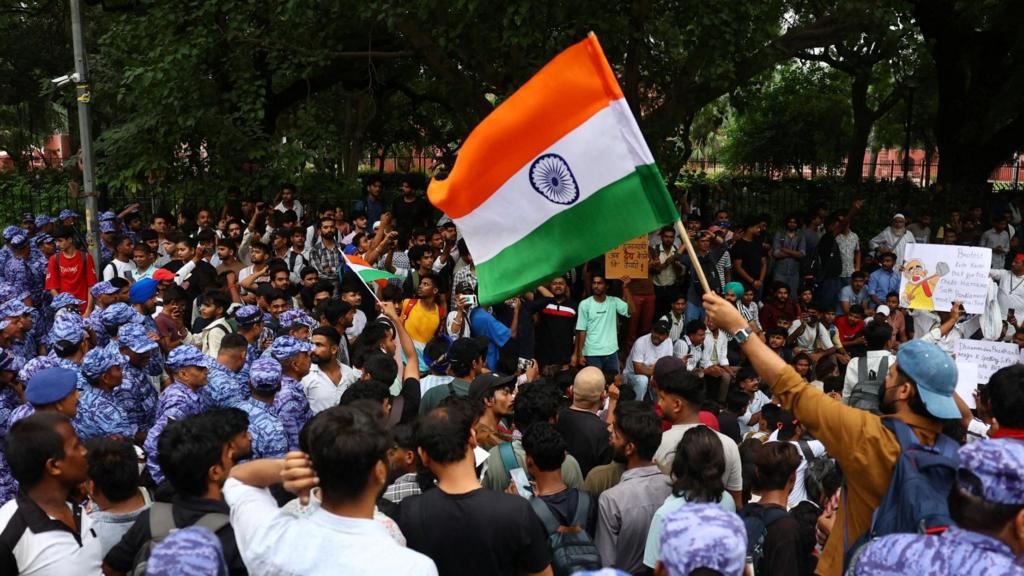
NEW DELHI: Tensions reached a boiling point across the national capital as massive student demonstrations led by the Cockroach Janta Party (CJP) and prominent national student unions culminated in severe street clashes and prolonged disruptions in both Houses of Parliament.

What began as an ongoing sit-in at Jantar Mantar against systemic examination failures—specifically the high-profile 2026 NEET-UG paper leak and marking irregularities—escalated dramatically when thousands of demonstrators attempted a high-stakes ‘Sansad Chalo’ (March to Parliament) rally.
Key Highlights of the Crisis
- Clashes at Metro Gates & Barricades: Security forces deployed tear gas and lathi charges near Constitution Club as marchers breached initial barricades.
- High Casualty Numbers: Over 118 police and security personnel alongside 60+ student protesters suffered injuries during the confrontation.
- Parliamentary Deadlock: Both Lok Sabha and Rajya Sabha faced multiple adjournments amidst fierce Opposition demands for an immediate debate.
- Executive Outreach: Union Health Minister J.P. Nadda engaged in high-level talks with a CJP delegation while visiting the injured at Dr. Ram Manohar Lohia Hospital.
Clashes on the Streets: Heavy Police Action & Hospitalization
Security arrangements across the New Delhi district were tightened significantly following the enforcement of Section 163 of the Bharatiya Nagarik Suraksha Sanhita (BNSS). Multiple metro station exits near central government complexes were sealed, causing widespread commuter disruption.
According to senior law enforcement briefings, the march turned violent when agitators attempted to force past multi-layered security cordons. Central Range authorities reported instances of stone-pelting, vandalism targeting government transport, and damage to public assets.
Conversely, student representatives accused authorities of excessive aggression, alleging unprovoked baton charges and tear gas exposure in confined transit areas. Dozens of injured individuals were shifted to Lady Hardinge Medical College and Dr. Ram Manohar Lohia (RML) Hospital for emergency care.
Opposition Rallies Behind Students in Parliament
The repercussions of the street protests instantly paralyzed proceedings on the opening days of the Parliamentary Monsoon Session. Opposition benches erupted in protest, stalling regular business to demand formal accountability and an explicit debate on examination transparency.
“The hardworking youth of this country are demanding answers regarding their future, but they are receiving batons and detentions instead. When millions of students seek institutional integrity, executive silence is unacceptable.”
— Leader of the Opposition, Lok Sabha
Prominent leaders condemned the handling of the student march, arguing that competitive examination security has collapsed entirely, jeopardizing the career trajectory of millions of young aspirants across the country.
Government Policy Response & Future Outlook
In an effort to de-escalate the situation, senior Cabinet representatives met with designated student delegates to outline potential administrative steps. Union Health Minister J.P. Nadda held consultations with youth representatives, promising internal executive deliberations on key demands, which include institutional oversight adjustments and rapid grievance redressal mechanisms.
As the High Court evaluates emergency legal petitions regarding crowd management protocols, civil society groups and student organizations remain steadfast at Jantar Mantar, signaling that the national conversation around examination reforms is far from over.
Stay tuned to State Correspondents Like and Follow State Correspondents Facebook Page Latest International News Iran US War Subscribe for alerts


© 2026 State Correspondents. All rights reserved.