
Iran Mocks Donald Trump Over US Move to Block Ports in Strait of Hormuz
“The Strait of Hormuz is not social media” – Iran’s diplomatic voice on X has turned a US naval blockade into a global meme, exposing the limits of digital‑era threats in one of the world’s most sensitive waterways.
From White House to X: A “Blockade” in Words Only?
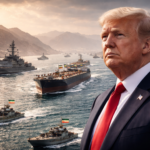
On April 12, 2026, US President Donald Trump announced that the United States would begin blocking all maritime traffic trying to enter or leave Iranian ports through the Strait of Hormuz, framing the move as pressure for a ceasefire in the wider West Asia conflict. According to the US military, warships would restrict access to Iranian coastal ports but would not stop vessels merely transiting the strait to non‑Iranian destinations.
Hours later, an Iranian diplomatic account posted a sharp reply on X, mocking the idea that a waterway spanning international waters could be treated like a social‑media handle. The Persian‑language post, soon translated widely, said in effect: “The Strait of Hormuz is not social media; you can’t ‘block’ it the way you block someone online.” The tone combined legal pushback with digital sarcasm, turning the US threat into a viral talking point among global users and analysts.
Why the Strait of Hormuz Matters
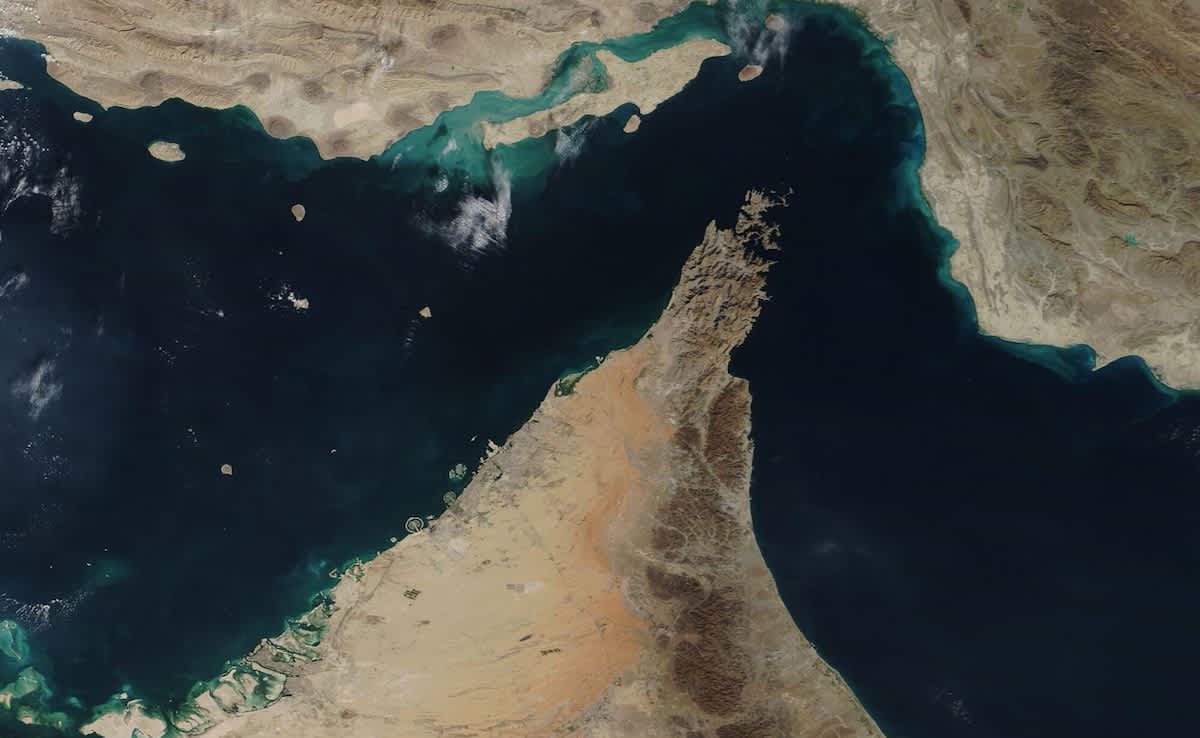
The Strait of Hormuz is a narrow channel connecting the Persian Gulf to the Gulf of Oman, forming a critical pipeline for global oil and gas supplies. Around a fifth of the world’s seaborne oil passes through this strait, making it a flashpoint for any disruption. Iranian ports on the northern side, including Bandar Abbas and Chabahar, are central to both regional trade and energy exports.
US officials argue that targeting only Iranian port access aims to squeeze Tehran’s revenues without choking off neutral shipping lanes. Critics, however, warn that even a partial blockade risks triggering accidents, miscalculations, or retaliatory actions that could send oil prices soaring and fuel broader instability.
“Trolls” Turn Into Diplomats
Iran’s social‑media jab fits a broader pattern of Tehran using viral content to signal defiance. Earlier in the crisis, Iranian officials and parliament figures circulated memes – including a “100% PhD” style graphic – ridiculing Trump’s “blockade their blockade” logic. A post by senior Iranian figures also circulated rising US petrol prices, suggesting ordinary Americans would feel the economic pinch long before Iranian leaders bend.
Observers note that such posts operate at multiple levels: they pacify domestic audiences, shape global opinion, and sometimes undercut the gravity of US‑style threats. “When the sea becomes a meme, it reflects how much diplomacy now lives inside the attention economy,” one foreign‑policy analyst told international media.
From Mockery to Military Signals
Beyond the tweets, Iran has issued stark warnings through formal channels. The Islamic Revolutionary Guard Corps (IRGC) has labeled US naval moves as “illegal” and likened them to acts of piracy, pledging to respond “severely” to any warships approaching Iranian coastal waters. Tehran has also warned that if Iranian ports are blocked, it could tighten control over the strait, potentially affecting other regional hubs.
Trump, in turn, has doubled down on his rhetoric, claiming that Iranian naval assets have already been “obliterated” and warning of immediate strikes on any Iranian‑linked vessels that challenge the blockade. These exchanges have pushed the Hormuz crisis from quiet diplomacy into the public eye, with analysts warning that a single misstep could spark a regional flare‑up.
What It Means for Global Markets and India
Oil traders and energy analysts are closely watching the Strait of Hormuz standoff, as even the spectre of a blockade can move global crude prices. India, which imports a large share of its oil from the Middle East, could face higher fuel costs and inflationary pressure if congestion or insurance spikes hit Gulf‑bound tankers.
For countries like India, the crisis underscores the vulnerability of key maritime routes to geopolitical brinkmanship. New Delhi has urged restraint from all sides and pushed for dialogue, while also monitoring its energy‑security planning in the background.
“Symbolic battles on social media may play well domestically, but on the high seas, every manoeuvre carries exponential risk. The Strait of Hormuz is not a comment section; it is a physical lifeline.”
How the “Not Social Media” Line Went Viral
The Iranian post’s simplicity helped it resonate far beyond political circles. Within hours, global users began turning the phrase “The Strait of Hormuz is not social media” into memes, graphics, and video clips, often contrasting the narrow waterway with the borderless nature of online platforms. Some commentators compared the exchange to past “Twitter wars” between US and Iranian leaders, but with heightened stakes due to the presence of warships and oil tankers.
The episode also highlights how digital platforms have become auxiliary theatres of modern diplomacy. Even when governments negotiate in hushed rooms, their social‑media accounts can instantly broadcast a tone of defiance, sarcasm, or outrage to billions of viewers.
Where the Conflict Stands Now
As of mid‑April 2026, the United States has begun enforcing restrictions on vessels bound for Iranian ports, while allowing neutral shipping to transit the Strait of Hormuz under specific conditions. Tehran continues to permit its own naval and commercial vessels through the strait, signaling it does not recognize the blockade as legitimate.
With the earlier ceasefire agreement under strain, both sides are engaged in a mix of military posturing, diplomatic signalling, and public‑sphere trolling. International bodies and energy‑rich Gulf states have called for de‑escalation, warning that any direct clash in the Strait of Hormuz could destabilize both regional security and global energy markets.
Tags:
Like and Follow State Correspondents Facebook Page Latest International News Iran US War Subscribe for alerts© 2026 State Correspondents. All rights reserved.