



Iranian Warship IRIS Dena Sunk Near Sri Lanka, 32 Rescued as Dozens Feared Dead in Indian Ocean Torpedo Strike
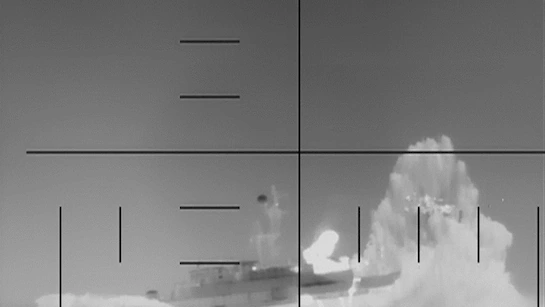
In a dramatic escalation of the Middle East conflict into the Indian Ocean, the Iranian warship IRIS Dena has been sunk near Sri Lanka, with at least 32 sailors rescued and dozens more feared dead or missing after a reported submarine-launched torpedo strike. The frigate, one of Iran’s more modern surface combatants, went down in international waters off Sri Lanka’s southern coast while returning from a naval engagement in India, prompting a large-scale search and rescue operation led by the Sri Lanka Navy.
The sinking of IRIS Dena so far from West Asia has turned the spotlight on the strategic vulnerabilities of the wider Indian Ocean region, including vital shipping lanes and coastal states such as Sri Lanka and India. The episode is already being described by defence commentators as one of the most consequential naval incidents in decades, recalling Cold War–era confrontations at sea.
What We Know About the IRIS Dena Incident So Far
According to initial briefings cited by Sri Lankan officials, IRIS Dena issued a distress signal in the early hours of Tuesday–Wednesday between 40 and 75 kilometres off the port city of Galle, just outside Sri Lanka’s territorial waters but inside its designated search and rescue zone in the Indian Ocean. Within a short span, the ship is believed to have broken apart and sunk, leaving only an oil slick, scattered debris and life rafts on the surface by the time navy vessels arrived.
Defence sources indicate that roughly 180 personnel were on board the Moudge‑class frigate when the attack took place. While exact casualty figures are still being reconciled, officials in Colombo have confirmed that 32 sailors were pulled out of the water alive, many of them with serious injuries, and that scores of bodies have been recovered as search teams continue combing the area for the missing.
US Confirms Torpedo Strike from Submarine
The political shock came from Washington, where US Defence Secretary Pete Hegseth publicly acknowledged that an American submarine had fired the torpedo that sank the Iranian warship in the Indian Ocean. He characterised the operation as a “quiet” but decisive strike on an enemy vessel that was sailing in what it believed were safe international waters, and framed it as part of a wider campaign to degrade Iran’s naval capabilities.
Military historians note that this is the first time since the Second World War that a United States submarine has admitted to sinking an adversary’s ship using a torpedo in open conflict. The last high‑profile example of a warship destroyed by submarine torpedoes during war was the Argentine cruiser ARA General Belgrano in 1982, during the Falklands conflict, making the IRIS Dena episode a rare and highly symbolic moment in modern naval warfare.
Sri Lanka’s Massive Search and Rescue Operation
Once the distress call from IRIS Dena was received, Sri Lanka scrambled multiple naval vessels, fast attack craft and air force aircraft from bases in the south of the island. Rescue teams reached the site within about an hour, but by then the main hull of the frigate had already disappeared beneath the waves, leaving rescuers to navigate patches of fuel, floating wreckage and rough sea conditions.
Survivors were rushed to the teaching hospital in Galle, which had been placed on high alert by the authorities to receive trauma and burn victims. Sri Lankan officials have stressed that the response is being conducted under the country’s international maritime obligations, as the location of the sinking falls inside its designated responsibility area for search and rescue in the Indian Ocean.
Profile of IRIS Dena: Iran’s Modern Frigate
IRIS Dena is part of Iran’s Moudge‑class frigates, designed for blue‑water patrols and long‑range deployments away from the country’s own shores. Commissioned in the last decade, the vessel was promoted by Tehran as a symbol of its domestic shipbuilding capability, featuring indigenously produced engines, sensors and anti‑ship as well as surface‑to‑air missile systems.
The warship had recently been in the spotlight for its participation in multinational naval engagements hosted by India, including the International Fleet Review and allied drills off Visakhapatnam on the eastern seaboard. After wrapping up these events, IRIS Dena was reported to be on its return voyage towards Iran via the southern tip of Sri Lanka when it came under attack.
Why the Sinking Near Sri Lanka Matters for the Indian Ocean
The location of the incident – southwest of Sri Lanka in open ocean – is not just a tactical detail but a strategic warning. The waters off Galle lie close to important east–west shipping lanes through which a significant share of global oil and container traffic moves between the Persian Gulf, Africa and East Asia.
By extending kinetic operations from the Gulf and Levant deep into the Indian Ocean, the conflict involving Iran, the United States and regional allies has effectively widened its theatre. For coastal states such as Sri Lanka and India, this raises fresh concerns over potential spillover risks, ranging from refugee flows and search‑and‑rescue burdens to disruptions in commercial shipping and insurance costs for traffic through their maritime neighbourhood.
Regional and Global Reactions
Tehran has so far been cautious in its public messaging, with Iranian officials focusing more broadly on condemning what they describe as Western aggression rather than immediately detailing their version of events off Sri Lanka. However, Iranian media outlets have framed the loss of IRIS Dena as both a tragedy and a rallying point, highlighting the ship’s modern capabilities and its symbolic presence in Indian waters just days earlier.
In Sri Lanka, the government is trying to balance humanitarian responsibilities with the diplomatic sensitivities of hosting the wreckage site of a high‑profile clash between Iran and the United States. Colombo has emphasised that its navy responded neutrally to a distress call in line with international law, even as it quietly coordinates with foreign missions and monitors the environmental impact of potential fuel and oil leaks from the sunken frigate.
Implications for India and the Wider Region
For India, the sinking of an Iranian warship that had just participated in its naval exercises presents a complex strategic picture. On one hand, New Delhi will be concerned about any militarisation of sea lanes close to its coastline, especially when those events have the potential to draw in multiple external powers. On the other hand, India will also weigh its longstanding civilisational and economic ties with Iran against its growing security cooperation with the United States and other partners in the Indo‑Pacific.
Defence analysts in the region point out that the incident is likely to accelerate demands for more robust maritime domain awareness in the northern Indian Ocean, including better tracking of submarine movements, warship deployments and possible flashpoints that could threaten commercial shipping. It may also prompt renewed discussions on rules of engagement and de‑confliction mechanisms among the major navies operating in and around the Indian Ocean basin.
Families Await Clarity as Counting the Cost Begins
While strategists and diplomats debate the implications, the human cost of the sinking of IRIS Dena continues to rise. In Iran, families of sailors who served on the frigate are now dependent on fragmentary updates from state media and foreign agencies, as the exact number of dead and missing is gradually confirmed.
In southern Sri Lanka, hospital corridors in Galle have filled with medical staff and security personnel as emergency wards treat the rescued sailors for injuries ranging from hypothermia and fractures to blast and burn trauma. Local fishermen who witnessed parts of the rescue effort have spoken of a grim scene at sea, with debris fields and life jackets scattered across oil‑streaked waves.
What Happens Next in the IRIS Dena Case
Over the coming days, investigators will attempt to piece together a detailed timeline of events – including the precise track followed by IRIS Dena, the moment the torpedo struck, and how quickly the ship lost buoyancy and sank. Naval experts will also be keen to understand what defensive systems, if any, were active on the frigate at the time, and whether there were opportunities for early detection of the attacking submarine.
For now, the incident stands as a stark reminder that the current confrontation involving Iran is no longer confined to its immediate neighbourhood. With an Iranian warship destroyed near Sri Lanka and the United States openly confirming a submarine torpedo strike, the Indian Ocean has decisively entered the map of active hostilities, with consequences that coastal nations and sea‑faring economies can no longer ignore.