
US H‑1B Visa Interviews In India Pushed To Late 2026, Applicants Stare At Long Uncertainty
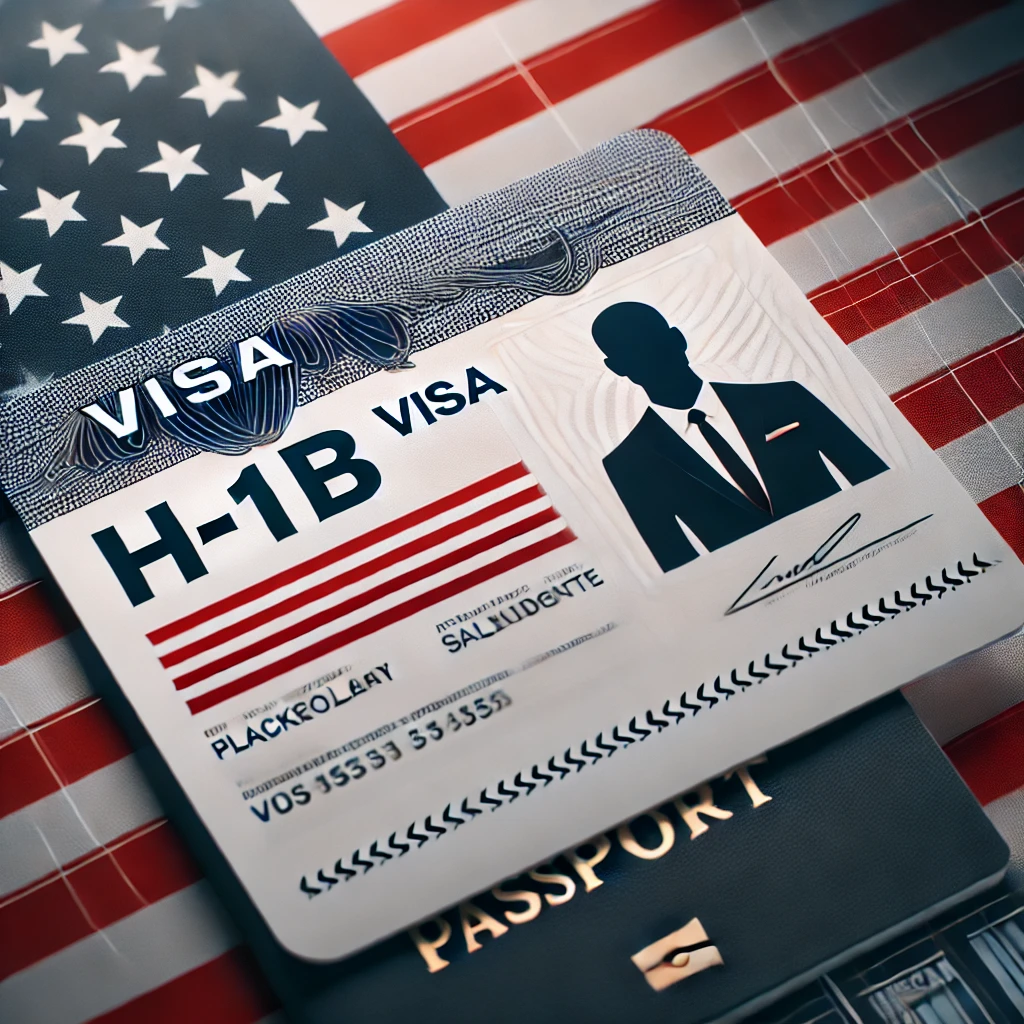
Hundreds of Indian H‑1B and H‑4 visa applicants have seen their interview appointments at US consulates abruptly shifted to dates as late as **October 2026**, triggering fresh anxiety for tech workers, students and families who had planned to travel or return to jobs in the United States in early 2026. Immigration attorneys report that interviews originally booked for **December 2025 to March 2026** in Chennai, Hyderabad, Mumbai and New Delhi are now being pushed back by several months, in some cases to the final quarter of 2026.
New Social‑Media Vetting Behind Mass Rescheduling
Law firms tracking the issue say the disruption stems from a new **“online presence” / social‑media review** requirement that the US State Department has extended to H‑1B workers and their dependents from 15 December 2025, forcing consulates to cut daily interview capacity. Internal advisories cited by lawyers describe “operational constraints” and instruct posts to **cancel and automatically reschedule** many appointments, sometimes 90–120 days later, to accommodate the extra security checks.
The US Embassy in India has warned that applicants who turn up on their original interview dates after receiving a reschedule notice will be **denied entry at the consulate gate**, and only the new appointment will be honoured. Biometrics (VAC) appointments, however, generally remain valid and are not being shifted.
Wait Times Stretch To Late 2026
Media reports from Deccan Chronicle and *The American Bazaar* describe cases where interviews first moved from early 2026 to **February–March**, and have now been postponed again to **September–October 2026**. Some applicants who believed they had secured “safe” slots in January or February 2026 are urging others with earlier dates to voluntarily cancel, hoping freed‑up windows will be reassigned to those pushed back.
Online wait‑time dashboards of the US State Department already show very long queues for several visa categories in India, and immigration lawyers caution that if more H‑1B/H‑4 cases are rescheduled, **effective wait times could approach or exceed 12–18 months** in some cities.
Impact On Workers, Students And Companies
The delays are particularly painful for Indian IT and tech employees who travelled home for stamping, many of whom have now had to **postpone return flights, apply for unpaid leave or work remotely from India** while they wait for new interview dates. US‑based employers worry that prolonged absences will disrupt projects and may even trigger job losses if workers cannot re‑enter the United States in time.
Families with H‑4 dependents and Indian students switching from F‑1 Optional Practical Training (OPT) to H‑1B say the uncertainty has upended school admissions, housing leases and childcare arrangements, with some contemplating alternative destinations like Canada or Europe.
US Assures Steps To Reduce Backlog
A spokesperson for the US Consulate General in Hyderabad said the Department of State “regularly shifts appointments as needed to match resource availability” and promised that consulates **“look forward to assisting applicants on their new appointment dates”** while working to restore capacity over the coming months. Officials have indicated that once the new vetting workflow stabilises, consulates will explore options such as extended interview hours, temporary staff support and greater use of interview‑waiver renewals to reduce the backlog.
Immigration experts advise Indian H‑1B workers to **avoid non‑essential international travel for stamping**, monitor their appointment status closely and consult employers or lawyers before making ticket or leave plans, as visa‑interview schedules across India are likely to remain volatile well into 2026.