



Delhi Chokes Under GRAP-4 Curbs; Schools Up To Class 11 Shift To Hybrid Mode
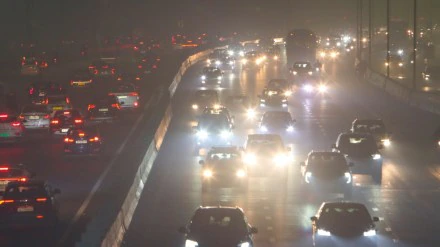
Delhi’s air quality has plunged back into the ‘severe’ zone, prompting authorities to enforce the strictest Stage-IV (GRAP-4) pollution curbs across the National Capital Region and push schools up to Class 11 into hybrid teaching mode. The Commission for Air Quality Management (CAQM) reported the city’s overall Air Quality Index (AQI) breaching the 450 mark at several stations, triggering emergency measures to prevent a further spike in toxic pollution.
Schools Move To Hybrid Learning
The Directorate of Education has directed all government, government‑aided and recognised private schools, including institutions under NDMC, MCD and the Delhi Cantonment Board, to immediately switch to hybrid classes for students from Classes 1 to 9 and Class 11.[web:81][web:84][web:93] Classes 10 and 12 have been kept out of the arrangement to avoid disrupting board exam preparation, though schools have been told to minimise outdoor activities for all students.
Under the hybrid system, schools will run limited on‑campus teaching while simultaneously offering live or recorded online lessons, with parents free to decide whether their children attend physically or join virtually. Zonal and district education officers have been tasked with random visits to ensure that schools comply with the new directions and keep parents informed about any changes in timing or mode.
What GRAP-4 Restrictions Mean For Delhi
Emergency curbs in force
GRAP‑4 is the highest rung of the Graded Response Action Plan and is invoked when Delhi’s AQI enters the ‘severe plus’ range, typically above 450 for a sustained period. Once triggered, it adds a fresh layer of restrictions on top of those already active under Stages I, II and III, targeting construction, transport and industrial emissions to quickly cut pollution peaks.
- Ban on entry of non‑essential heavy and medium goods vehicles from outside Delhi, except for those carrying essential commodities.
- Complete halt on construction and demolition activities, apart from government projects of national or strategic importance and critical public infrastructure.
- Closure or curtailment of operations in highly polluting industries and stone crushers, with more stringent checks on fuel quality and emissions.
Additional Measures: Offices And Public Advisory
Alongside school restrictions, the Delhi government has advised public and private offices to keep at least 50% of their staff on work‑from‑home mode wherever feasible, in an effort to reduce vehicular traffic. Ride‑sharing, staggered work hours and greater use of public transport have been recommended for employees who must travel to workplaces.
Health advisories issued by the Delhi health department and CAQM urge children, the elderly and people with respiratory or cardiac issues to stay indoors as far as possible, avoid strenuous outdoor activities and use N95 or equivalent masks if they need to step out. Residents have also been asked not to burn waste, limit use of personal diesel vehicles and follow the GRAP citizen charter to support emergency clean‑air efforts.
Parents, Students And Experts React
Parents’ groups have welcomed the hybrid option as a compromise that allows continuity of learning while giving families the flexibility to keep children at home on days when pollution peaks.[web:80][web:84][web:90] Some, however, have raised concerns about unequal access to devices and stable internet, warning that prolonged hybrid phases could widen the learning gap between students.
Public health experts say GRAP‑4 should be treated as a short‑term emergency step and must be backed by long‑term actions such as cleaner fuels, tighter emission norms and regional coordination with neighbouring states to address stubble burning and industrial sources.[web:85][web:91][web:98] They emphasise that repeated severe‑plus episodes highlight the need to treat air pollution as a year‑round health crisis rather than a seasonal inconvenience.