

Centre Steps Up Digital-Education Push For Rural India, Targets Devices, Connectivity & Local-Language Content
The Government of India has rolled out an intensified digital‑education drive to ensure that students in rural and remote areas can access online learning, with a sharper focus on affordable devices, broadband connectivity to villages and high‑quality content in Indian languages through PM e‑Vidya and DIKSHA platforms.
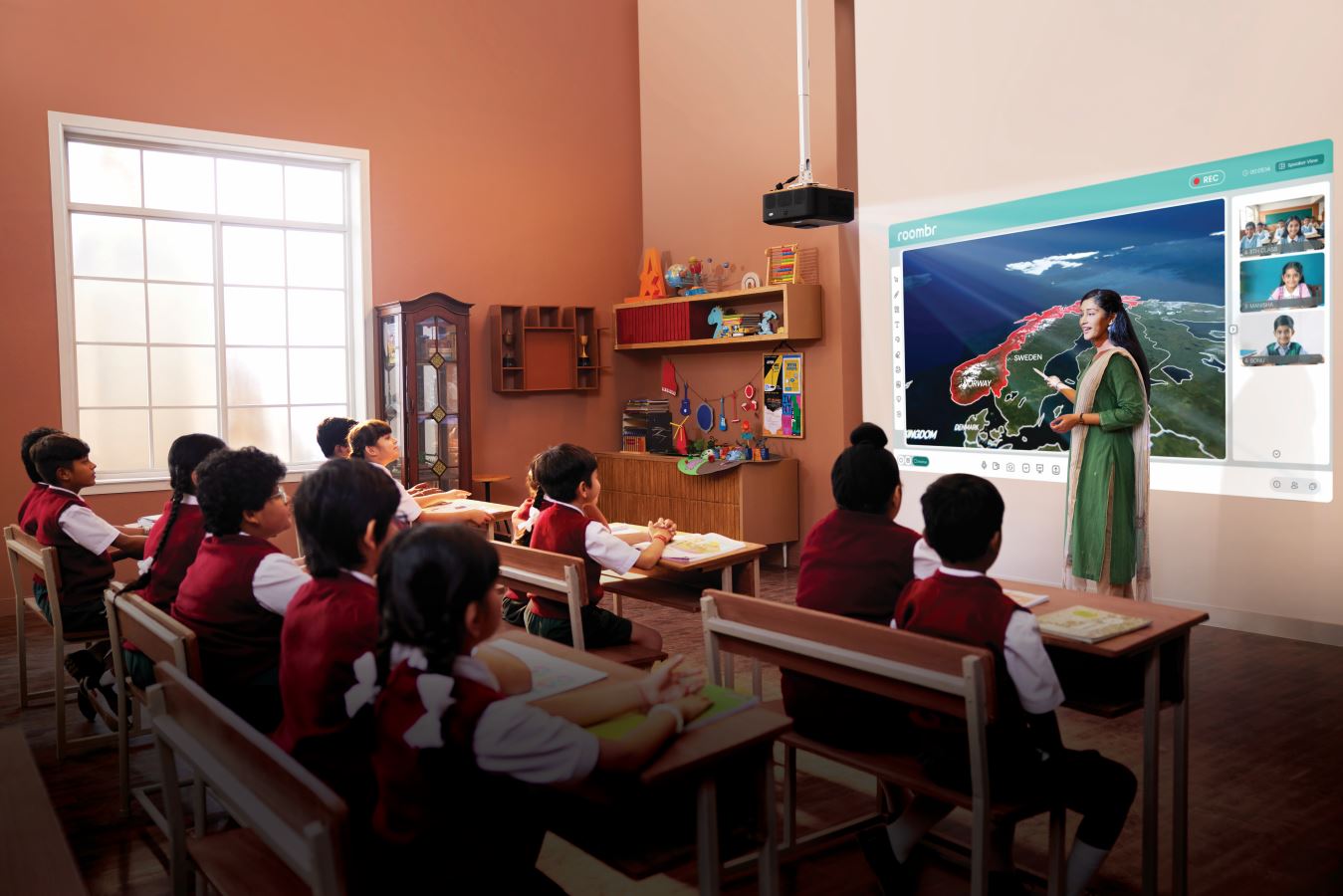
PM e‑Vidya & DIKSHA At The Core
The Ministry of Education has positioned PM e‑Vidya as the umbrella initiative for “One Nation, One Digital Platform”, integrating the DIKSHA app, Swayam Prabha DTH channels, community radio and digital content for classes 1 to 12.
DIKSHA hosts QR‑coded “energised” textbooks and e‑content in multiple Indian languages, while PM e‑Vidya now supports 200 dedicated DTH channels and around 400 radio channels to reach students even where smartphones and stable internet are scarce.
Officials say new content is being commissioned in more regional languages, with sign‑language and inclusive materials for children with disabilities to avoid leaving vulnerable learners behind.
Connectivity Push: BharatNet, NDEAR & Rural Focus
Under the Digital India and BharatNet programmes, the Centre is working to extend at least 100 Mbps broadband links to 2.5 lakh Gram Panchayats, enabling village schools and study centres to access e‑learning platforms and live digital classes.
Policy notes emphasise that the National Digital Education Architecture (NDEAR) will act as a common backbone so that different apps, portals and state platforms can plug into one interoperable system instead of operating in silos.
The Universal Service Obligation Fund, now rebranded as Digital Bharat Nidhi, has also been tasked with financing connectivity and ICT infrastructure in underserved rural and remote areas to support digital classrooms.
Devices & Local-Language Content For Remote Learners
States have been encouraged to use central schemes and CSR funding to provide tablets, low‑cost laptops or shared smart TVs to government schools and community centres so that students without personal devices can still follow online lessons.
PM e‑Vidya’s “One Class, One Channel” model beams grade‑wise content over television and radio, supplemented by QR‑coded textbooks that allow students to scan and access videos, quizzes and worksheets in their own language.
Officials say new partnerships with ed‑tech firms and NGOs are aimed at expanding local‑language modules, including interactive science and mathematics content tailored for first‑generation learners in rural schools.
Challenges On The Ground
- Studies on rural schools flag persistent issues like patchy electricity, unstable internet, lack of trained teachers and limited digital literacy, warning that infrastructure gaps can blunt the impact of AI‑ and app‑based learning tools.
- Experts argue that technology must be backed by local teacher training, community support and sustained funding, otherwise the rural‑urban learning gap could widen despite the expansion of digital platforms.
Next Steps Under NEP 2020 Vision
The National Education Policy 2020 has called for raising public spending on education towards 6% of GDP and making technology a core part of teaching, assessment and teacher training, especially for underserved regions.
Officials indicate that the upcoming Union Budget and state‑level plans will likely announce more funds for digital infrastructure, teacher‑training on e‑content and AI‑enabled tools, aligning with the broader “Viksit Bharat” goal for 2047.