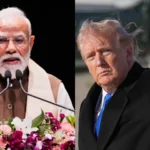




US-Israel-Iran War Enters Fourth Week: Trump’s 15-Point Ceasefire Proposal Amid Deadly Strikes
State Correspondents News Desk | March 25, 2026
Escalation Hits New Highs
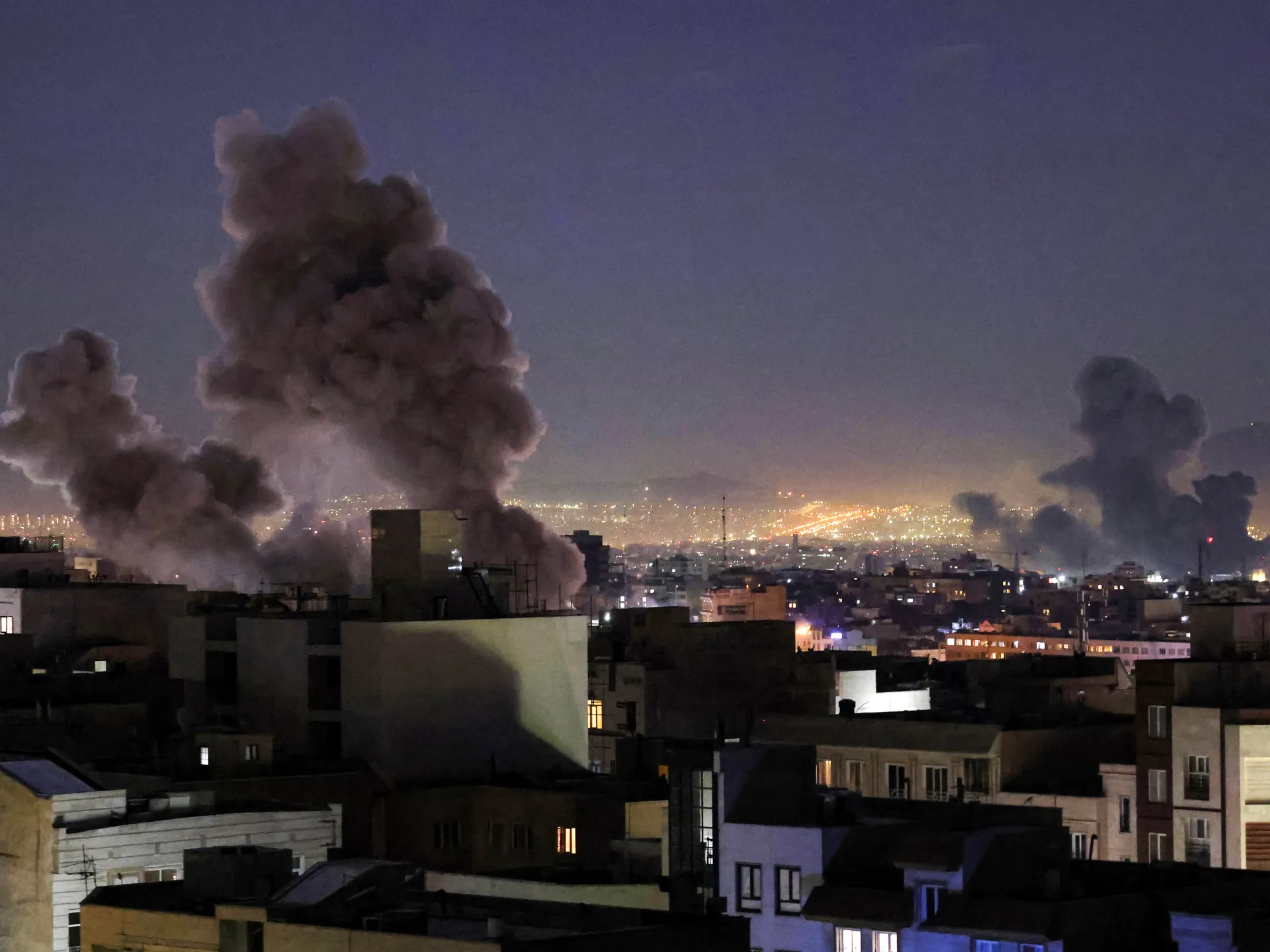
The United States and Israel’s military campaign against Iran has now stretched into its fourth grueling week, transforming the Middle East into a powder keg of missile exchanges, diplomatic posturing, and humanitarian crises. What began as targeted operations against Iran’s nuclear sites has evolved into widespread airstrikes, with reports of heavy casualties mounting daily. On Day 26, the conflict shows no immediate signs of de-escalation, even as U.S. President Donald Trump injects a glimmer of hope with bold diplomatic overtures.
Tehran reels from relentless barrages, with Iranian state media confirming dozens killed in fresh attacks on southern districts. Retaliatory Iranian missiles have targeted U.S. bases in Iraq and Israel’s northern frontiers, prompting air raid sirens across Tel Aviv and Haifa. Oil markets jitter as the Strait of Hormuz—through which 20% of global crude flows—remains partially choked by Iranian threats of mining operations.
Trump’s Ambitious 15-Point Plan
In a surprising pivot, President Trump announced that his administration has delivered a comprehensive 15-point ceasefire proposal to Tehran via intermediaries like Pakistan, Turkey, and Egypt. The blueprint demands Iran relinquish its highly enriched uranium stockpiles, halt ballistic missile development, and fully reopen the Strait of Hormuz within 48 hours. In exchange, the U.S. offers phased sanctions relief, economic aid packages, and security guarantees against regime change.
“We are in deep, detailed, and constructive conversations that will continue. Iran has one more chance at peace before things get much worse,” Trump posted on Truth Social, echoing his earlier ultimatum on energy infrastructure strikes, now paused for five days.
Sources close to U.S. envoy Steve Witkoff reveal Iran tentatively agreed to several nuclear-related points during backchannel talks in Geneva-style sessions. However, high-level summits potentially involving Vice President Vance remain pending Tehran’s formal reply, eyed for March 26.
Iran’s Defiant Rejection
Iran’s Foreign Ministry spokesperson Esmail Baqaei dismissed Trump’s claims as “self-negotiation” and “fake news,” insisting no direct or indirect talks occurred. Supreme Leader Mojtaba Khamenei’s office warned of “severe consequences” for any assaults on critical infrastructure, vowing a “decisive response” with over 700 drones and missiles already deployed in prior waves.
State media boasts of inflicting 650+ casualties on U.S. forces in early retaliations under “Operation True Promise 4,” though independent verification lags amid blackouts in Tehran. Iranian Red Crescent reports over 555 civilian deaths nationwide, including 35 in Fars province and 20 at Tehran’s Niloofar Square.
Israel’s Stance and Regional Ripples
Israeli PM Benjamin Netanyahu conferred with Trump, stressing any deal must dismantle Iran’s nuclear ambitions entirely. IDF strikes hit Tehran’s presidential compound and IRGC targets, while Hezbollah rocket fire from Lebanon adds layers of complexity. Gulf states like UAE and Bahrain intercept drones, fearing spillover.
- Casualties: Iran: 555+ confirmed; U.S./Israel: 650+ claimed by Tehran (unverified).
- Key Sites Hit: Tehran leadership HQ, southern power grids, U.S. bases in Anbar, Iraq.
- Diplomatic Moves: Mediators push March 26 talks; Trump delays Hormuz ultimatum.
- Global Impact: Oil up 15%; India boosts defense alerts post-Modi-Trump call.
India’s Concerns and Global Reactions
For India, the war disrupts energy imports and heightens security worries along its western borders. PM Narendra Modi’s recent chat with Trump focused on evacuation of Indian nationals and supply chain safeguards. Domestically, opposition parties decry the conflict’s inflationary pressures on fuel prices.
UN calls for restraint as refugee flows strain neighbors. Analysts warn of proxy escalations via Houthis and Hamas, potentially drawing in more actors. Yet, Trump’s gamble on talks—leveraging battlefield gains—could rewrite the region’s power dynamics if Iran blinks.
Path Forward?
As airstrikes persist, the world watches if Trump’s 15-point gambit yields a breakthrough or crumbles under mutual distrust. Tehran’s response by Thursday could halt the carnage or ignite a fiercer phase. State Correspondents will keep you updated with on-ground insights.
This report draws from multiple international wires and official statements. Figures are provisional amid fog of war. Share your views below.
Tags:
Like and Follow State Correspondents Facebook Page Latest International News Iran US War Subscribe for alerts© 2026 State Correspondents. All rights reserved.