



Air India Raises Fuel Surcharge As Iran Conflict Pushes Jet Fuel Prices Higher
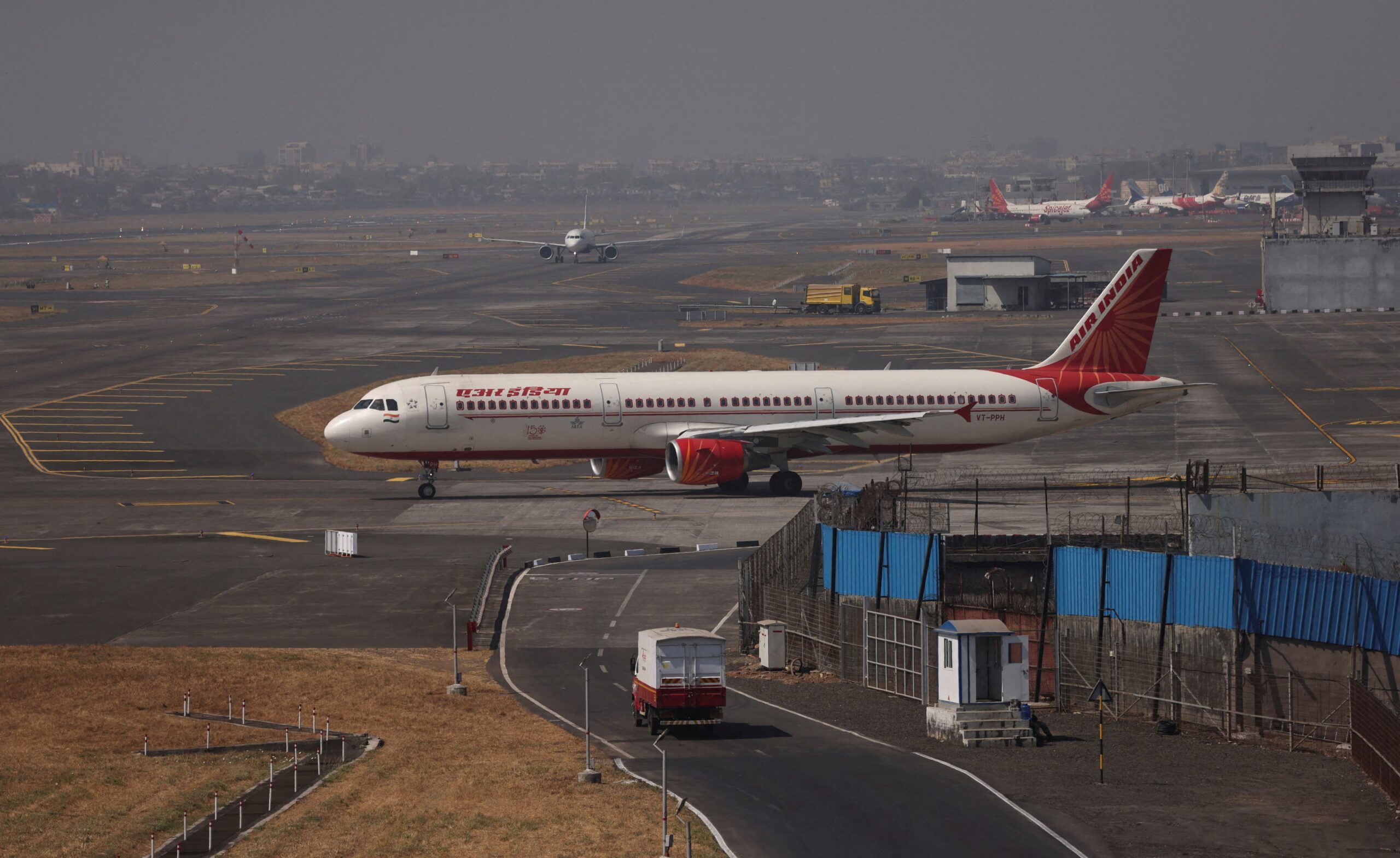
Air travel on India’s flag carrier is set to become more expensive as Air India introduces a phased fuel surcharge across its domestic and international network, citing a sharp spike in aviation turbine fuel prices triggered by the Iran conflict and turmoil in the Gulf.
Key Points
- Air India will roll out the new fuel surcharge in three phases on domestic and international routes.
- Domestic India and SAARC tickets will attract an extra ₹399 from 12 March 2026.
- International surcharges start at USD 10 for West Asia and rise up to USD 200 on some North America and Australia routes in later phases.
- The airline says the move is unavoidable as jet fuel now accounts for about 40% of operating costs and has surged due to Iran–US tensions and supply disruptions in the Gulf.
Surcharge triggered by Iran conflict and Gulf turmoil
In a statement, Air India said it is facing a steep escalation in aviation turbine fuel (ATF) prices since early March, blaming supply interruptions linked to the escalating conflict involving Iran, Israel and the United States in West Asia.
The airline pointed out that ATF, already one of the biggest cost heads for any carrier, now accounts for close to 40 percent of its operating expenses, and that the impact is magnified in India by high excise duty and state value added tax (VAT) on jet fuel in major hubs such as Delhi and Mumbai.
Industry watchers note that global crude and jet fuel benchmarks have jumped as tankers face higher risk premia, re-routing and insurance costs near the Strait of Hormuz, putting pressure on airlines worldwide to either absorb the shock or pass a part of it on to passengers.
Phase 1: Domestic and regional routes first
Under Phase 1, effective on new bookings from 12 March 2026, Air India will apply a flat surcharge of ₹399 on all domestic India and SAARC sector tickets, marking the first time many travellers will see a distinct fuel charge line item on their bills.
For short‑haul international services, the airline will introduce or increase fuel surcharges as follows: an additional USD 10 on flights to West Asia and the Middle East, a rise from USD 40 to USD 60 on Southeast Asia routes, and an increase from USD 60 to USD 90 on services to Africa.
| Phase 1 Region | Previous Surcharge | Increase | New Surcharge |
|---|---|---|---|
| Domestic India / SAARC | None | ₹399 | ₹399 per ticket |
| West Asia / Middle East | None or minimal | USD 10 | USD 10 per ticket |
| Southeast Asia | USD 40 | USD 20 | USD 60 total |
| Africa | USD 60 | USD 30 | USD 90 total |
The carrier has underlined that these charges will apply only to tickets booked on or after the effective date and that the surcharge levels may be reviewed periodically in line with fuel price trends.
Phase 2 and 3: Long‑haul and Far East flights next
The second stage of the plan, Phase 2, will kick in on bookings from 18 March 2026 and will cover long‑haul flights to Europe, North America and Australia, where fuel costs are an even larger share of total operating expenditure due to longer sectors.
Under this phase, the total surcharge on Europe routes will rise to around USD 125, while flights to North America and Australia will see fuel surcharges climb to about USD 200, implying increases of up to USD 50 on some of these tickets compared to earlier levels.
A third tranche, Phase 3, will subsequently extend the revised surcharges to Far East destinations, including Hong Kong, Japan and South Korea, with route‑wise details to be announced in due course depending on market conditions and fuel price movements.
‘Factors beyond our control’, says airline
Air India has expressed regret over raising ticket prices in this fashion but insists that the decision is driven by “factors outside its control”, warning that without a fuel surcharge, some flights could struggle to cover cash operating costs and might have to be cancelled.
Aviation analysts broadly agree that when fuel prices spike quickly, airlines have limited choices: either absorb a hit to margins and risk financial stress, or pass on part of the burden through mechanisms such as fuel surcharges and selective fare hikes.
Impact on passengers and existing tickets
For travellers, the immediate effect will be higher all‑inclusive fares on Air India and Air India Express services, with the surcharge sitting on top of the base fare, taxes and airport charges.
The airline has clarified, however, that existing tickets booked before the phase‑wise effective dates will not automatically attract the new surcharge, unless customers voluntarily change their travel dates or itineraries and trigger a full fare recalculation.
Budget‑conscious flyers are likely to hunt more aggressively for off‑peak dates, alternative carriers or multimodal options such as rail and road on shorter routes, especially if rival airlines also start adjusting prices in response to the same fuel shock.
Wider turbulence for India’s aviation sector
Air India’s move comes amid warnings from industry leaders that persistently high oil prices around or above USD 90 per barrel could force Indian carriers to rethink capacity expansion, route additions and fleet utilisation plans.
Executives at rival airlines have indicated that they may have little choice but to mirror or partially follow Air India’s approach if fuel costs remain elevated, given that jet fuel is a non‑negotiable input and India remains a highly price‑sensitive market where margins are usually thin.
Consultants note that the current episode highlights how vulnerable Indian aviation is to external geopolitical shocks and domestic tax structures, and argue that structural reforms in jet fuel taxation could provide longer‑term relief to both carriers and passengers.
What flyers should keep in mind
Travel planners suggest that passengers who have fixed dates for crucial trips may want to book sooner rather than later, factoring in the new surcharges, while those with flexibility can monitor fare trends across airlines and evaluate whether shifting dates or choosing nearby airports yields savings.
Frequent flyers on corporate or loyalty tickets should also check how their employers or program terms treat fuel surcharges, since in some cases these components may not be fully reimbursed or may accrue different miles compared to the base fare.
For now, the message from the industry is clear: as long as the Iran conflict and Gulf tensions keep global fuel markets on edge, Indian flyers may need to brace for a period of firmer airfares and more dynamic pricing across the skies.
FAQs on Air India’s Fuel Surcharge
Tags:
Like and Follow State Correspondents Facebook Page Latest International News Iran US War Subscribe for alerts© 2026 State Correspondents. All rights reserved.