

PM Modi Flags ‘Worrisome’ West Asia Situation In Lok Sabha, Outlines India’s Stand On US–Iran–Israel War
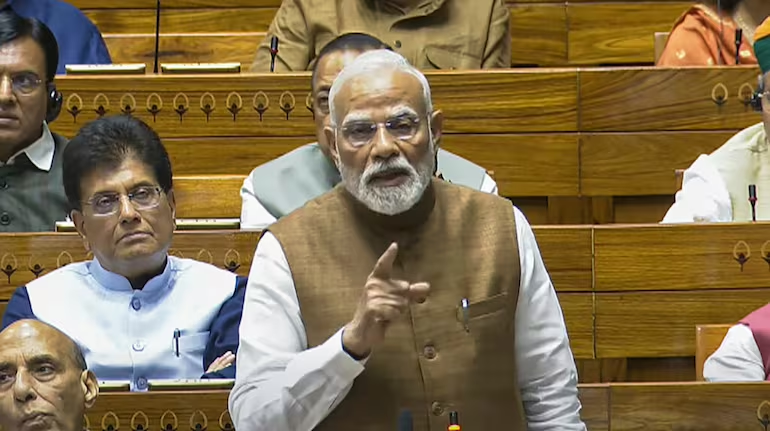
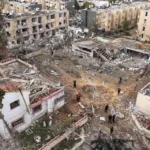
Prime Minister Narendra Modi on Monday delivered a detailed statement in the Lok Sabha on the escalating conflict in West Asia, triggered by joint US–Israeli attacks on Iran in late February and Tehran’s retaliatory missile barrages. Calling the situation “worrisome”, he underlined the impact of the crisis on global energy markets, India’s trade and the safety of nearly 10 million Indians living and working across the Middle East.
‘Situation In West Asia Is Worrisome’
In his address, the Prime Minister told MPs that the Middle East crisis has now stretched beyond three weeks and is having a serious effect on the global economy and people’s lives worldwide. He noted that External Affairs Minister S Jaishankar and Petroleum Minister Hardeep Singh Puri had already given the House detailed briefings on the conflict’s evolution, but said it was important that Parliament hear directly from the government’s top leadership.
“The situation in West Asia is worrisome,” Modi said, warning that the war’s effects could last long and that India would have to show the same calm and resilience it did during the Covid-19 crisis. He added that the entire world is urging all parties for an early resolution because the fighting is severely impacting the global economy and ordinary livelihoods.
Energy, Trade And The Strait Of Hormuz
A large part of Modi’s speech focused on the economic risks arising from the US–Iran–Israel confrontation, particularly in relation to the Strait of Hormuz — a narrow waterway through which a significant share of global oil and gas shipments pass. He said cargo movement through Hormuz had become a “challenge” since the war began, but stressed that the government is working to keep India’s gas and fuel supplies as unaffected as possible.
India fulfils a substantial portion of its crude oil and natural gas requirements from countries in West Asia, and the same region is an important route for trade with the rest of the world. Modi told the Lok Sabha that disruption in this corridor directly threatens India’s energy security, supply chains and prices at the consumer level, from LPG cylinders to petrol and diesel.
Reiterating India’s red lines, he said New Delhi “opposes attacks on civilian, energy and transport infrastructure” and views assaults on commercial vessels or the blocking of international waterways such as the Strait of Hormuz as “unacceptable”. Through diplomatic channels, India is making continuous efforts to ensure the safe passage of Indian-flagged ships and cargo in the conflict zone, he added.
10 Million Indians In The Region: Citizen Safety First
Modi reminded the House that around one crore (10 million) Indians live and work in West Asian countries, from the Gulf monarchies to Iran, making the region crucial not just for energy and trade, but also for the welfare of Indian families. “For us, the region is important for one more reason,” he said, noting that Parliament must speak with a united voice when so many Indian citizens are potentially at risk.
The Prime Minister said that since the war began, “every Indian in the affected countries has been provided assistance”, with embassies and missions operating helplines, arranging travel and coordinating closely with local authorities. He revealed that he has held at least two rounds of phone calls with the heads of state of most West Asian nations, and that they have assured him of the safety of Indian nationals in their territories.
External Affairs Minister Jaishankar’s earlier suo motu statement in Parliament had already emphasised that citizen safety, energy security and trade interests are the three pillars of India’s crisis management in West Asia. Modi’s remarks in the Lok Sabha effectively reinforced that framework, signalling continuity between the diplomatic and political messaging.
India’s Diplomatic Outreach: Phone Calls And Quiet Pressure
PM Modi told MPs that India’s role in the diplomatic arena is “clear”: from the outset, New Delhi expressed deep concern over the conflict, condemned attacks on civilians and infrastructure, and has consistently urged all parties to de-escalate. “I have personally spoken to all the relevant leaders in West Asia,” he said, adding that he has appealed to them to reduce tensions and end the fighting at the earliest.
According to reports, these calls have included discussions on safeguarding sea lanes, preventing further attacks on oil facilities and ensuring that Indian communities are not caught in crossfire or subjected to targeted harassment. India has also communicated its opposition to any escalation that could draw in more regional players or push global energy prices to levels that could destabilise developing economies.
Modi said India is “continuously making efforts through diplomacy” to secure its interests without inflaming tensions, a line that mirrors Jaishankar’s earlier emphasis on de-escalation, restraint and respect for sovereignty and territorial integrity in the region.
US–Iran Developments And Global Repercussions
The Prime Minister’s statement came just as US President Donald Trump issued a 48-hour ultimatum to Iran to fully reopen shipping through the Strait of Hormuz, warning of devastating strikes on Iranian power plants if Tehran refused. Iran, for its part, has threatened to hit US and Israeli energy and infrastructure assets if attacked, raising the spectre of an even broader war that could severely disrupt global oil flows and shipping.
Modi did not publicly take sides between Washington and Tehran, but his remarks made clear that India views unimpeded maritime trade and stable energy prices as non-negotiable interests. He underlined that countries directly at war with each other are important economic partners for India, both as suppliers of crude and as destinations and routes for Indian exports.
The Prime Minister warned that the West Asia war has created “unexpected challenges, including economic, national security and humanitarian issues” for India, and that the government is preparing to manage their long-term impact much as it did during the pandemic shock.
‘Dialogue And Diplomacy Only Solution’
Reaffirming India’s traditional line on conflicts in its extended neighbourhood, Modi said New Delhi has “always advocated for the welfare of humanity and peace”. “Dialogue and diplomacy are the only solutions to this problem,” he stressed, adding that India’s efforts are aimed at reducing tensions and encouraging all parties to reach a peaceful resolution as soon as possible.
The Prime Minister also cautioned that whenever large crises erupt, “some elements try to exploit them” for political gain or misinformation campaigns. He urged MPs and citizens to remain vigilant against attempts to create divisions within India on the back of overseas conflicts, and to instead project unity and responsibility.
Jaishankar’s earlier briefing had used similar language, highlighting India’s call for de-escalation, restraint and protection of civilians, while insisting that sovereignty and territorial integrity of all states in West Asia must be respected. Together, the two statements signal that New Delhi will stick to a cautious, interest-driven but peace-focused posture rather than be drawn into military alignments.
Frequently Asked Questions On PM Modi’s Lok Sabha Statement
Tags:
Like and Follow State Correspondents Facebook Page Latest International News Iran US War Subscribe for alerts© 2026 State Correspondents. All rights reserved.