



India Calls for Restraint in West Asia Conflict: EAM Jaishankar Prioritizes Diaspora Safety Amid Iran-US-Israel Escalation
New Delhi, March 10, 2026 – In a decisive parliamentary address, External Affairs Minister Dr. S. Jaishankar underscored India’s commitment to diplomacy amid the rapidly intensifying West Asia conflict. With hostilities erupting since late February, involving coordinated strikes by the United States and Israel on Iran, followed by retaliatory actions across the Gulf, New Delhi has placed the welfare of its nearly one crore expatriates at the forefront.
Parliamentary Briefing Highlights India’s Balanced Approach
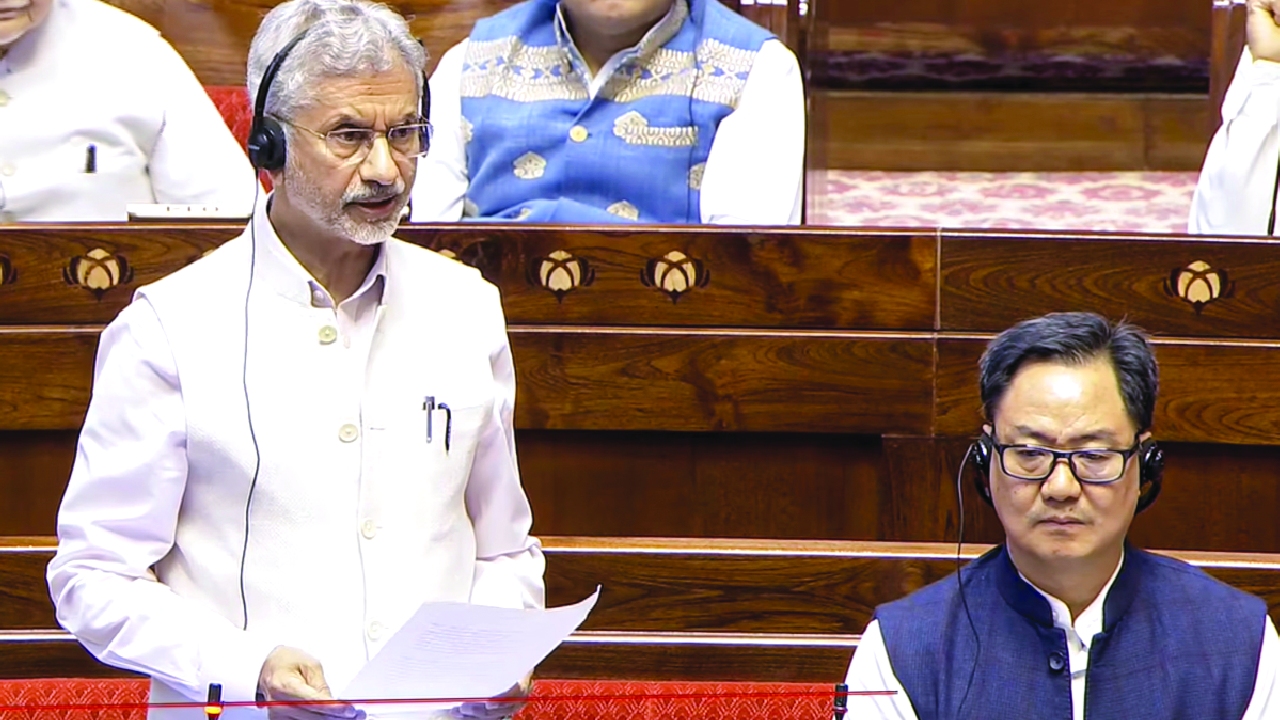
Delivering suo motu statements in both Lok Sabha and Rajya Sabha on March 9, EAM Jaishankar detailed the government’s ongoing monitoring since early 2026 advisories. “This conflict, which began on February 28, has led to significant casualties, leadership losses in Iran, and infrastructure damage across multiple nations,” he noted, calling for immediate de-escalation through dialogue. India, as a regional stakeholder, views stability in West Asia as non-negotiable, given its proximity and deep economic ties.
The minister outlined three core principles guiding India’s response: unwavering support for peace initiatives, prioritization of civilian lives, and safeguarding expatriate communities. Prime Minister Narendra Modi remains personally engaged, ensuring coordinated efforts with embassies and international partners.
Escalation Timeline: From Strikes to Gulf-Wide Disruptions
The current flare-up traces back to February 28, when US-Israel forces launched pre-emptive operations against Iranian targets, resulting in the reported relocation or loss of key leadership, including Supreme Leader Ayatollah Ali Khamenei. Iran countered with missile barrages on US bases in Bahrain, UAE, Qatar, Kuwait, and Saudi Arabia, effectively challenging control over the Strait of Hormuz—a vital artery for global oil transit.
By early March, the conflict had spillover effects: commercial shipping halted, airlines like Air India added 78 special flights for stranded citizens, and crude prices surged past $100 per barrel, threatening India’s energy imports. Iranian Revolutionary Guards declared they would dictate the war’s end, rejecting US President Donald Trump’s optimistic timelines.
One Crore Indians in the Crossfire: Evacuation and Safety Measures
Over 28% of India’s diaspora—approximately 10 million souls—resides in Gulf nations, powering remittances worth billions and bilateral ties. Recent incidents, including attacks on merchant vessels with Indian crew missing, have heightened alarms. The Ministry of External Affairs (MEA) activated emergency protocols in January, urging registration and travel avoidance to Iran.
Special repatriation flights have brought back thousands from UAE, Saudi Arabia, and Qatar, where airspace closures stranded workers and tourists. “Their safety is our utmost priority; we cannot ignore threats to lives or livelihoods,” Jaishankar affirmed, detailing embassy hotlines and contingency plans [web:27][web:30]. Families in Jammu, Kerala, and Uttar Pradesh await updates on breadwinners amid economic ripple effects like LPG rationing to prevent hoarding.
Economic Ripples: Oil, Trade, and Domestic Preparedness
West Asia’s instability directly imperils India’s oil-dependent economy. With 85% of crude imports routed via Hormuz, prices oscillating wildly could fuel inflation and strain forex reserves. France’s proposed naval escorts for tankers offer tentative relief, but experts warn of prolonged volatility.
Domestically, the government imposed 25-day LPG booking limits and boosted strategic reserves. PM Modi’s recent UAE dialogue signaled solidarity for defensive measures, balancing ties with Iran—key for Chabahar port—without overt alignment.
India’s Diplomatic Outreach: Balancing Multipolar Ties
New Delhi’s response exemplifies strategic autonomy: appeals for restraint to all parties, including Tehran under new leadership Mojtaba Khamenei, while engaging Quad allies. Contacts with Iranian counterparts remain challenging, yet backchannel diplomacy persists.
Opposition demands in Parliament for a special session reflect public anxiety, but Jaishankar rebutted, citing proactive advisories since June 2025’s brief war. Analysts praise this as mature foreign policy, protecting interests without entanglement.
Looking Ahead: Pathways to Stability
As Iran hints at “security duties” on allied shipping and Trump downplays risks, India’s call resonates globally. Enhanced naval patrols, multilateral forums like UN, and economic diversification—from Russian oil pivots to green energy—fortify resilience.
For the diaspora, virtual town halls and insurance tie-ups provide solace. Jaishankar concluded: “West Asia’s peace is our peace; dialogue must prevail.” State Correspondents will monitor developments closely.
Tags:
Like and Follow State Correspondents Facebook Page Latest International News Iran US War Subscribe for alerts© 2026 State Correspondents. All rights reserved.