




Delhi To Use Single Emergency Number 112 Under ERSS 2.0, To Link Police, Fire & Ambulance Services
Delhi is rolling out **112** as a unified emergency helpline under the upgraded Emergency Response Support System (ERSS 2.0), which will integrate police, fire and medical responses through a single control room so that citizens no longer need to remember separate numbers like 100, 101 and 102 in times of crisis.
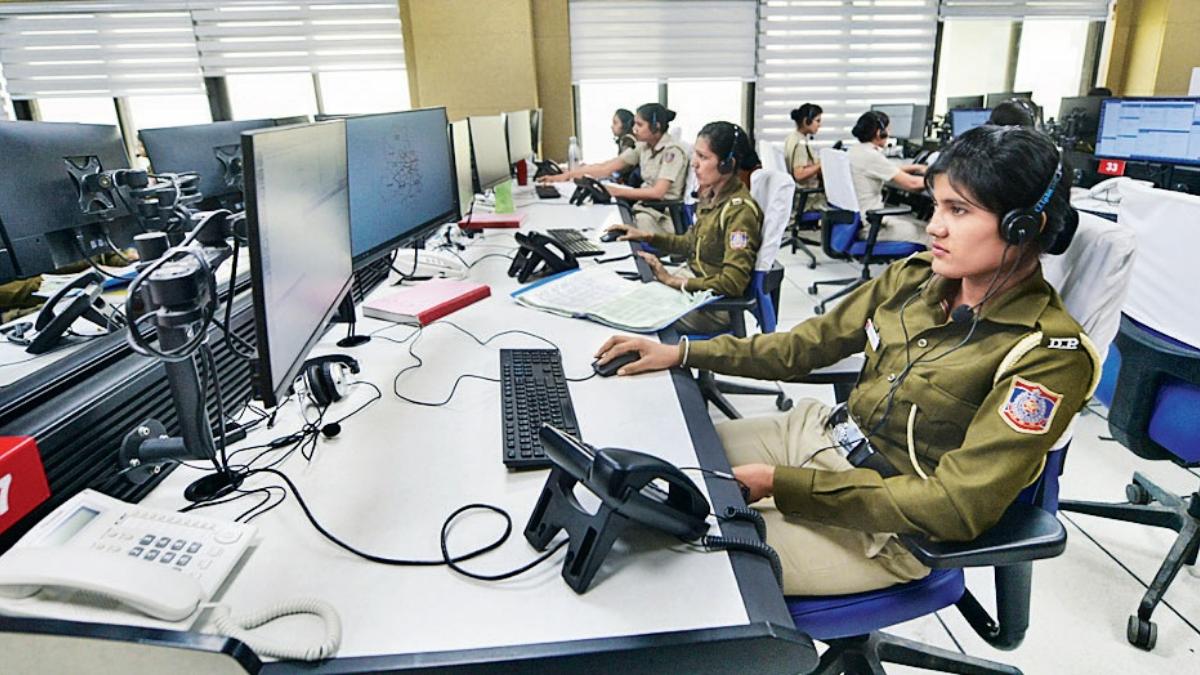
One Number For All Emergencies
Chief Minister Rekha Gupta announced that, in line with the Home Ministry’s decision to make **112** the national emergency number, Delhi will now route all urgent calls for police, fire, ambulances and disaster response through a single helpline.
Under the new system, a call to 112 will automatically alert the relevant agencies simultaneously, cutting the time lost in dialing multiple numbers and coordinating separately with police, fire stations and hospitals.
Officials clarified that even if citizens dial old numbers like 100 or 101 in panic, the calls will be redirected to the unified 112 platform so no distress call is missed during the transition phase.
ERSS 2.0: App Alerts, Panic Buttons & Real-Time Tracking
ERSS 2.0 will work through a central Public Safety Answering Point (PSAP), which will receive all emergency signals – voice calls, 112 India app alerts, smartphone power‑button panic activations, SMS and web‑based SOS messages – at one hub.
As soon as a call or alert is received, the system will automatically detect the caller’s location on a digital map, eliminating the need for the victim to explain their address and allowing the control room to dispatch the nearest police vehicle, ambulance or fire tender instantly.
A modern dashboard in the control room will show which incident has been logged, which vehicle has been assigned, and how long it will take to reach the site, enabling supervisors to send backup if there is a delay and keeping the entire response chain under live monitoring.
‘Golden Hour’ Focus & Safety For Women, Elderly
The Delhi government says ERSS 2.0 is designed around the “golden hour” principle, aiming to reduce response time in the critical first 60 minutes after road crashes, fires, medical emergencies or violent crimes.
Citizens will be able to trigger SOS alerts not just by calling 112, but also by pressing a smartphone’s power button three times, long‑pressing keys on basic phones, or using integrated safety features in dedicated apps and women’s safety initiatives.
Officials highlighted that the system is particularly crucial for women, children, senior citizens and people with disabilities, who may not be able to speak or describe their location during an emergency but can still send a distress signal with one tap.
How 112 Will Change Emergency Response In Delhi
- A single emergency number replaces multiple helplines, simplifying what citizens must remember under stress and reducing confusion at the time of calling for help.
- Integrated call‑handling means police, fire and medical teams receive the same alert in real time, improving coordination at accident sites, during fires and in disasters.
- Real‑time tracking of vehicles on digital maps helps controllers choose the closest unit, monitor delays and ensure accountability of response teams on the ground.
Citizens Advised To Start Using 112
Authorities have urged residents to start using **112** as the default number for police, fire and ambulance emergencies, while awareness campaigns in colonies, markets, schools and metro trains will explain how the new system works.
Officials say Delhi’s rollout is part of a nationwide ERSS network, under which all states and Union Territories are expected to integrate their emergency services with the single 112 number over time.