




Cold Wave Tightens Grip On Kashmir; Night Temperatures Plunge Across Valley
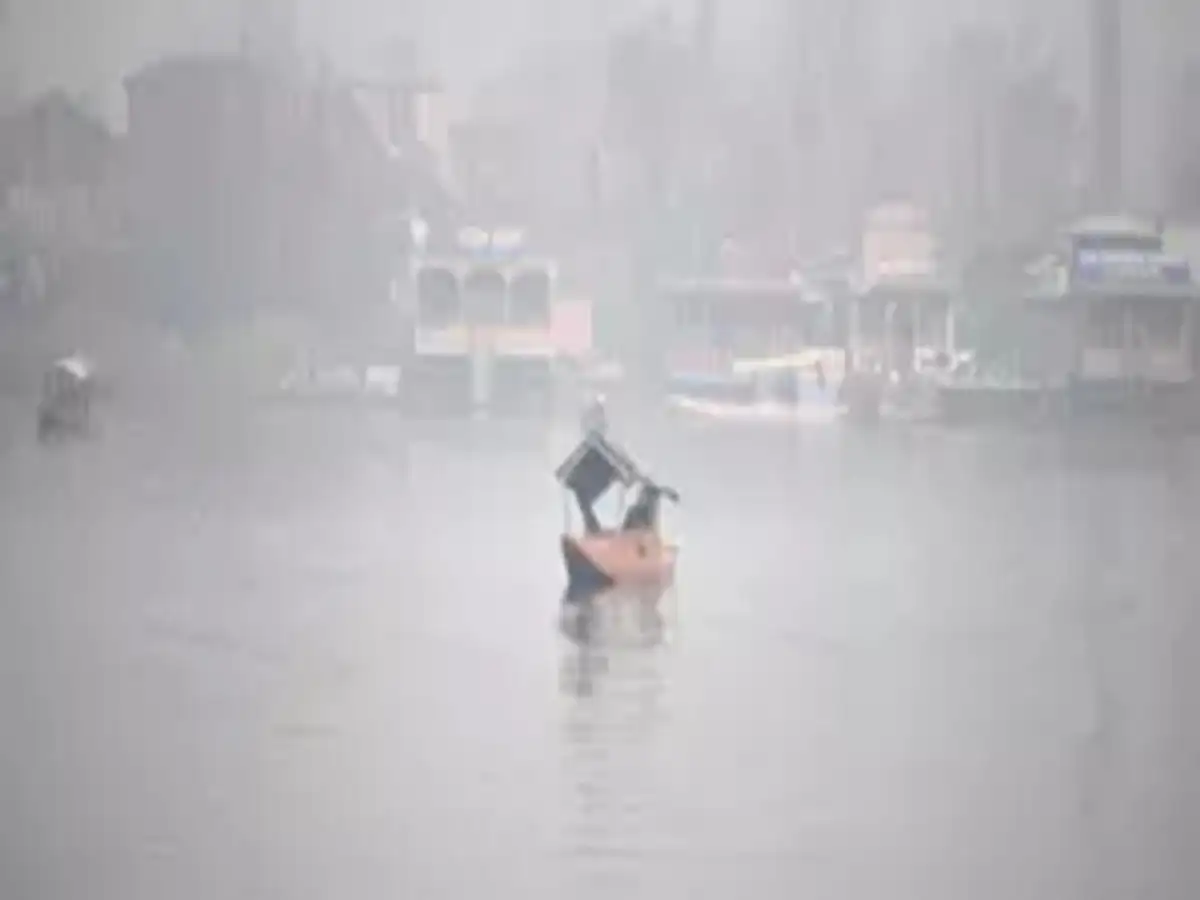
An intense cold wave has tightened its grip over Kashmir, with the Meteorological Department reporting a sharp fall of around 4–5 degrees Celsius in night temperatures at many locations compared to the previous day. Large parts of the Valley woke up to frozen water bodies, icy footpaths and dense morning fog as minimum temperatures stayed well below the freezing point for a second straight night.
How Much Have Temperatures Fallen?
Weather data for the last 24 hours shows that Srinagar’s minimum has dropped to around minus 3 to minus 4 degrees Celsius after a relatively milder spell earlier in the week, marking one of the coldest nights of the season so far. Officials said the fall is particularly sharp because skies remained mostly clear at night, allowing heat to escape quickly and pushing the mercury down by several notches.
In south Kashmir, Pulwama has been among the worst hit, clocking a minimum of about minus 5.5 degrees Celsius, while Shopian and other higher‑altitude pockets have also reported severe sub‑zero readings. North Kashmir stations, including Kupwara and parts of Bandipora and Baramulla, have seen minimum temperatures slip to around minus 3 to minus 5 degrees, deepening the cold wave across the Valley.
Impact On Daily Life
The freezing conditions have led to partial icing of roads in shaded and interior areas, disruption of early‑morning water supply lines and heavy frost over vehicles and rooftops, especially in rural belts. Residents in many localities reported using traditional ‘kangri’ firepots and layers of blankets through the night as power demand surged across the Union Territory.
In Srinagar and major towns, early‑morning traffic remained thin, with shopkeepers opening outlets later than usual and roadside vendors lighting small fires to keep warm. Orchard‑owning families have expressed concern about prolonged sub‑zero temperatures affecting stored apples and vegetable crops, although experts say short cold spells are generally manageable if day temperatures stay near normal.
Met Office Forecast And Chillai-Kalan Build-Up
Meteorological officials have indicated that the current cold spell is likely to continue for the next few days, with mainly dry weather and only a weak western disturbance expected over higher reaches. They have warned that minimum temperatures may drop further at isolated places if skies remain clear at night, especially in interior valleys and wind‑sheltered locations.
The Valley is moving towards ‘Chillai‑Kalan’, the traditional 40‑day period of peak winter that begins on December 21 and is typically associated with the season’s coldest days and a higher chance of snowfall. Officials say a pronounced cold wave before Chillai‑Kalan often signals a harsher winter ahead, although actual severity depends on the strength and track of upcoming western disturbances.
Advisory For Residents
Authorities have urged people to take precautions against frostbite and respiratory illnesses, especially vulnerable groups such as the elderly, young children and those with chronic health conditions. Residents have been advised to avoid stepping out early in the morning without proper woollen clothing, ensure safe use of heating appliances and keep rooms adequately ventilated to prevent carbon‑monoxide buildup.
The traffic department has asked drivers to maintain low speeds on bridges, flyovers and hilly roads where black ice can form, and to check tyre condition and vehicle lights before early‑morning or late‑night travel. People living in low‑lying or marshy areas, where fog and frost are more intense, have also been cautioned to keep walkways clear and use torches during late‑night movement.