
A New Era of Global Governance: India Joins World Leaders to Inaugurate ‘Partners for Multilateralism’ (P4M) at UNGA
Convening alongside the United Nations General Assembly in New York, the groundbreaking coalition seeks to revitalize collective diplomacy, bridge polarizing geopolitical divides, and champion the core interests of the Global South.
In a decisive diplomatic move aimed at recalibrating international governance, India on Monday joined global heads of state, foreign ministers, and multilateral stakeholders in New York for the official inaugural assembly of the “Partners for Multilateralism” (P4M) initiative, convened on the margins of the United Nations General Assembly (UNGA).
The establishment of P4M comes at a critical juncture in global affairs, characterized by protracted regional conflicts, paralysis within traditional decision-making bodies, worsening climate catastrophes, and mounting debt distress across the developing world. By uniting emerging economies, middle powers, and reform-minded developed states, P4M aims to operate not as an adversarial faction against existing alliances, but as an agile, pragmatic mechanism designed to overcome systemic inertia in international affairs.
India’s Strategic Footprint in Re-Engineering Diplomacy
Representing New Delhi at the launch, Indian diplomatic envoys stressed that twentieth-century institutional frameworks can no longer effectively manage twenty-first-century crises. Highlighting India’s consistent trajectory as a bridge-builder and a steadfast advocate for “Reformed Multilateralism,” delegates noted that institutional legitimacy depends entirely on fair representation and equity.
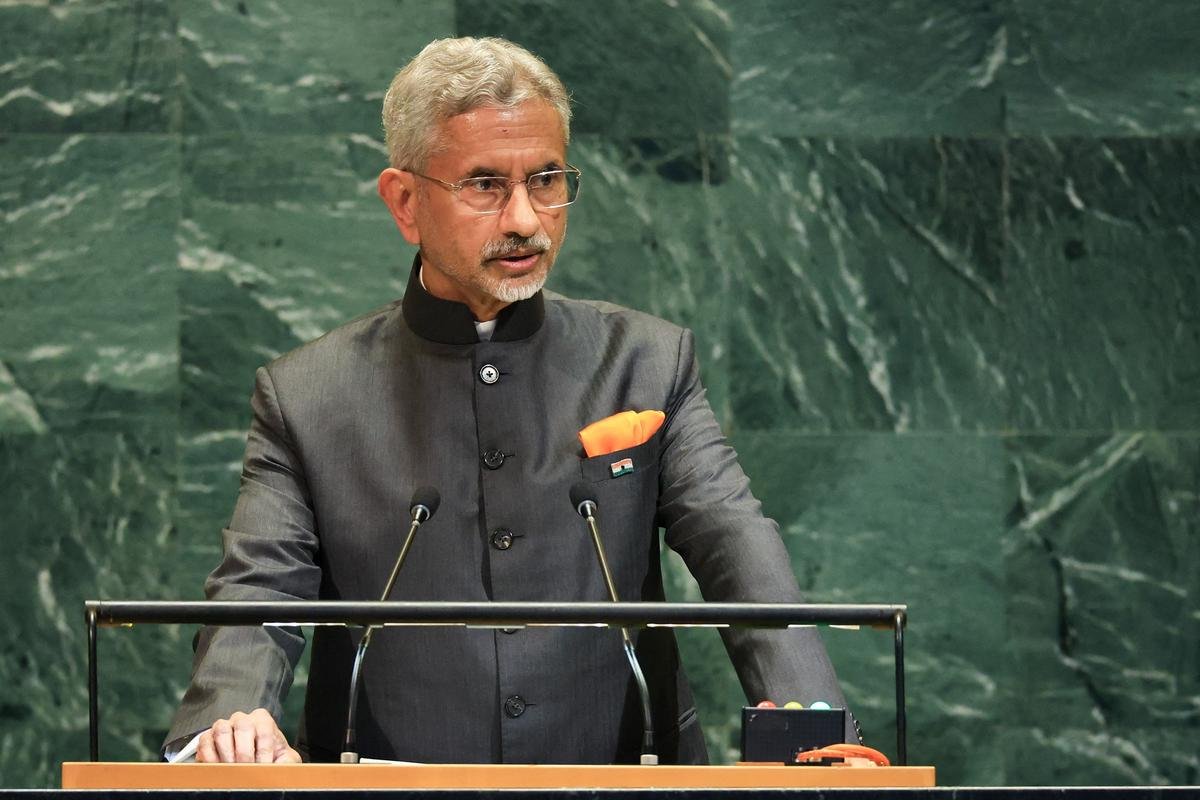
Addressing the plenary gathering, India’s delegation underscored that multilateralism is facing a profound crisis of credibility. When multilateral bodies fail to resolve armed standoffs, secure stable supply chains, or mobilize climate financing for vulnerable populations, the world inevitably fragments into isolated, zero-sum camps. India highlighted that P4M is positioned to act as an open platform where common ground is forged on universal challenges, ensuring that smaller and emerging economies are active architects rather than passive recipients of global policy.
Core Pillars of the P4M Mandate
The charter established by founding member states delineates four key objectives structured to restore operational vitality to the multilateral architecture:
Inclusive Governance
Championing urgent reforms across the United Nations, notably within the UN Security Council (UNSC) and multilateral development banks, reflecting contemporary geopolitical realities.
Equitable Development
Bridging financing gaps to accelerate the UN Sustainable Development Goals (SDGs), focusing on debt relief mechanisms and accessible technology sharing.
Supply Chain Resilience
De-risking critical international transit, food security corridors, and clean energy distribution from unilateral sanctions and geopolitical blockades.
Digital Public Goods
Promoting open, interoperable digital public infrastructure (DPI) to democratize global financial access and foster responsible artificial intelligence governance.
Transcending Cold War-Style Blocs
A central consensus echoed throughout the inaugural speeches in New York was the urgent necessity to prevent the global system from descending into rigid ideological rivalries. Unlike conventional military pacts or exclusive economic groupings, P4M is designed around thematic problem-solving, open dialogue, and functional cooperation.
Several participating leaders from Latin America, Africa, Southeast Asia, and Europe noted that smaller sovereign nations have historically borne the heaviest collateral burdens when major power blocs clash. P4M seeks to serve as an institutional shield, ensuring that sovereign equality remains the bedrock of international law and collective security arrangements.
Strategic Takeaways from the P4M Inauguration
- Broad Coalition: Composed of diverse sovereign states cutting across continental divides to break deadlocks inside traditional international councils.
- Institutional Continuity: Serves alongside and reinforces the United Nations system, establishing fast-track consultative tracks for global crises.
- Championing South-South Cooperation: Direct alignment with the developmental paradigms elevated during India’s G20 Presidency and Voice of the Global South Summits.
- Actionable Working Groups: Agreement to constitute initial task forces focused on climate resilience financing, international tax equity, and disaster management protocols.
Looking Ahead: From Declaration to Delivery
The conclusion of the inaugural gathering saw the formal adoption of the P4M New York Declaration, committing member states to ministerial-level reviews and harmonized voting strategies on pivotal sustainable development and institutional reform resolutions during the 81st UNGA session.
For New Delhi, proactive leadership within the P4M framework reinforces its standing as a consensus builder on the global stage. By harmonizing domestic developmental priorities with shared international imperatives, India continues to advocate for a multipolar global order grounded in fairness, mutual respect, and collaborative progress.