



Tracking the Trace: Global Race to Contact Passengers After Hantavirus Outbreak on Cruise Vessel
International health agencies are mobilizing a massive contact-tracing effort across three continents, though the WHO reassures the public that the risk of a widespread pandemic remains low.
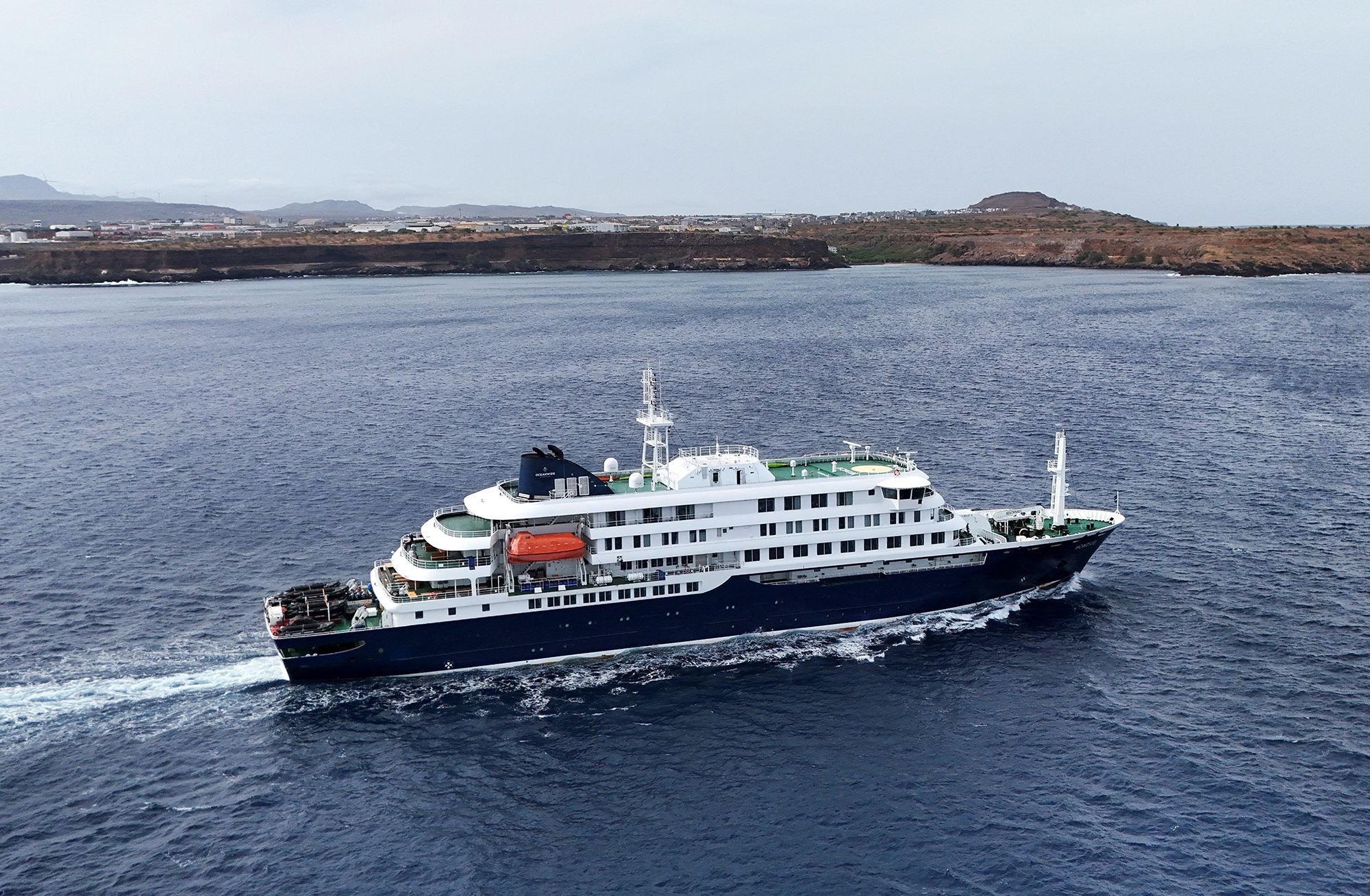
A global health investigation is currently underway following the confirmation of multiple Hantavirus cases linked to a luxury cruise liner that recently completed its voyage through several international ports. Health officials from the World Health Organization (WHO) and the Centers for Disease Control (CDC) are racing to track thousands of passengers who disembarked in countries ranging from Singapore to Greece. While the word “outbreak” often sparks modern-day anxiety, experts are moving quickly to clarify the nature of this virus, emphasizing that while Hantavirus is serious and potentially fatal, it does not possess the characteristics required to trigger a global pandemic similar to COVID-19.
WHO Official Statement
“We are closely monitoring the cluster of cases originating from the ‘Oceanic Spirit’ cruise vessel. It is important to note that Hantavirus is primarily transmitted through contact with rodent excreta and is not known to spread easily from person to person. This is a localized environmental exposure incident, not the birth of a new pandemic.”
The Investigation: What Happened Aboard?
The alarm was first raised when three crew members and two passengers reported severe respiratory distress shortly after the vessel docked in its penultimate port. Subsequent testing confirmed the presence of Hantavirus Pulmonary Syndrome (HPS). Preliminary investigations suggest that the exposure may have occurred during a deep-cleaning operation in a long-sealed storage compartment that had been compromised by rodents during an off-season dry-dock period.
The challenge for **State Correspondents** and international monitors is the “disembarkation ripple effect.” Since the confirmation, nearly 2,400 passengers have moved on to their home countries via international flights. Tracking these individuals is paramount to ensuring that anyone showing symptoms receives immediate medical intervention, which is critical for Hantavirus survival rates.
Recognizing the Signs: HPS Symptoms
If you or someone you know traveled on an international cruise in the last 21 days, monitor for the following early symptoms:
- High Fever & Chills
- Muscle Aches (Large groups)
- Severe Fatigue
- Sudden Shortness of Breath
- Dry Cough
- Nausea or Vomiting
Why This Is Not a “New Pandemic”
Public health experts are keen to differentiate this incident from the viral threats that dominate recent memory. Hantavirus is a “zoonotic” disease—it jumps from animals (specifically rodents) to humans. Unlike influenza or coronaviruses, Hantavirus lacks the biological machinery for efficient human-to-human transmission. In nearly all historical cases, the chain of infection ends with the person who had direct contact with the source of the virus.
Furthermore, the incubation period for Hantavirus is relatively long, typically ranging from 1 to 8 weeks. This gives health officials a window to identify and monitor those at risk before they become critically ill. “The goal of the current tracking effort is individual life-saving, not population-wide lockdown,” says Dr. Elena Vance, a senior epidemiologist. “We are looking for individuals who were in specific zones of the ship where the exposure was highest.”
Current Status of Contact Tracing
As of this afternoon, the following steps have been taken by the International Health Coordination Committee:
- Digital Manifest Review: All 2,400 passenger contact details have been shared with their respective national health ministries.
- Port Inspections: The ‘Oceanic Spirit’ has been placed under quarantine and is undergoing a rigorous “bio-scrub” by specialized teams.
- Air Travel Alerts: Airlines that carried passengers from the ship have been notified to monitor crew health, though the risk of in-flight transmission is considered negligible.
Economic Impact on the Cruise Industry
While the health risk is managed, the economic fallout is already visible. Shares in major cruise lines saw a 4.5% dip in early trading today as news of the tracking effort spread. For an industry that has spent years rebuilding its reputation for safety and hygiene, this incident serves as a stark reminder of the complexities of managing “floating cities.” Industry leaders are already calling for more stringent rodent-control protocols during dry-dock maintenance to prevent similar environmental exposures in the future.
The message from the global health community is clear: vigilance is necessary, but panic is unwarranted. If you were not on the vessel in question, your risk is zero. For those who were, the focus is on early detection. Hantavirus is a formidable opponent, but with modern supportive care and early hospitalization, the prognosis is significantly improved.