

Mali Crisis Deepens: Defence Minister Assassinated in High-Intensity Suicide Truck Bombing Near Bamako
A direct strike on the military junta’s leadership threatens to plunge the Sahel region into further instability as separatist fighting escalates.
 Defence Minister Assassinated in High-Intensity Suicide Truck Bombing Near Bamako
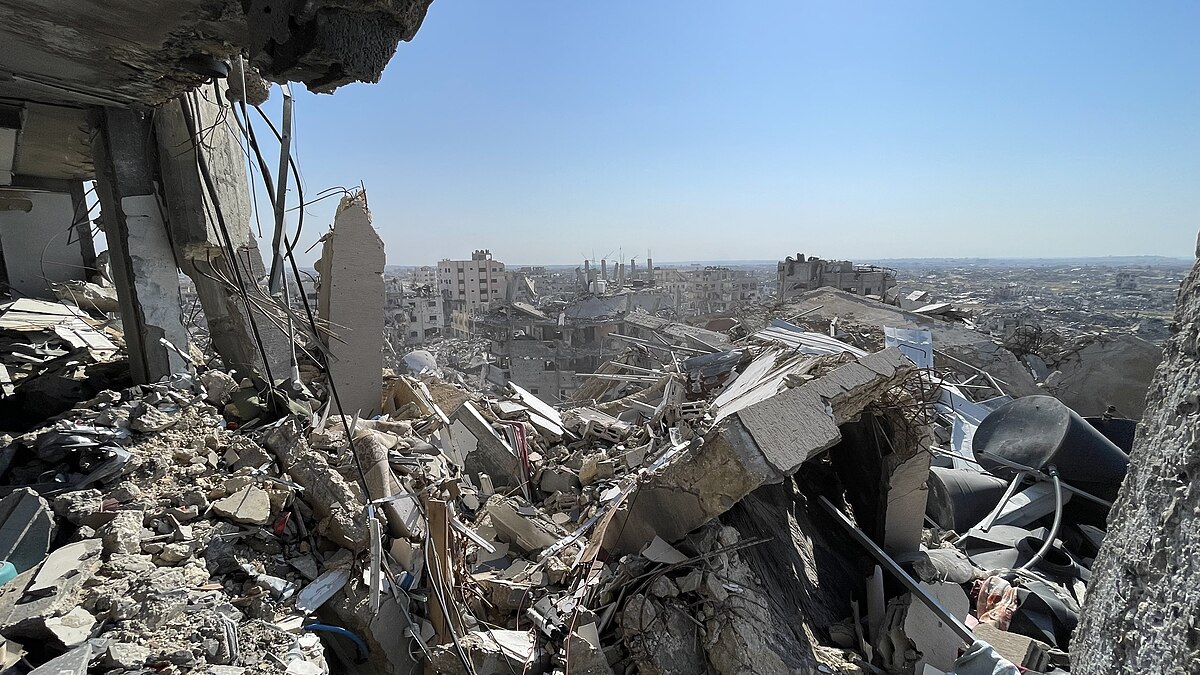
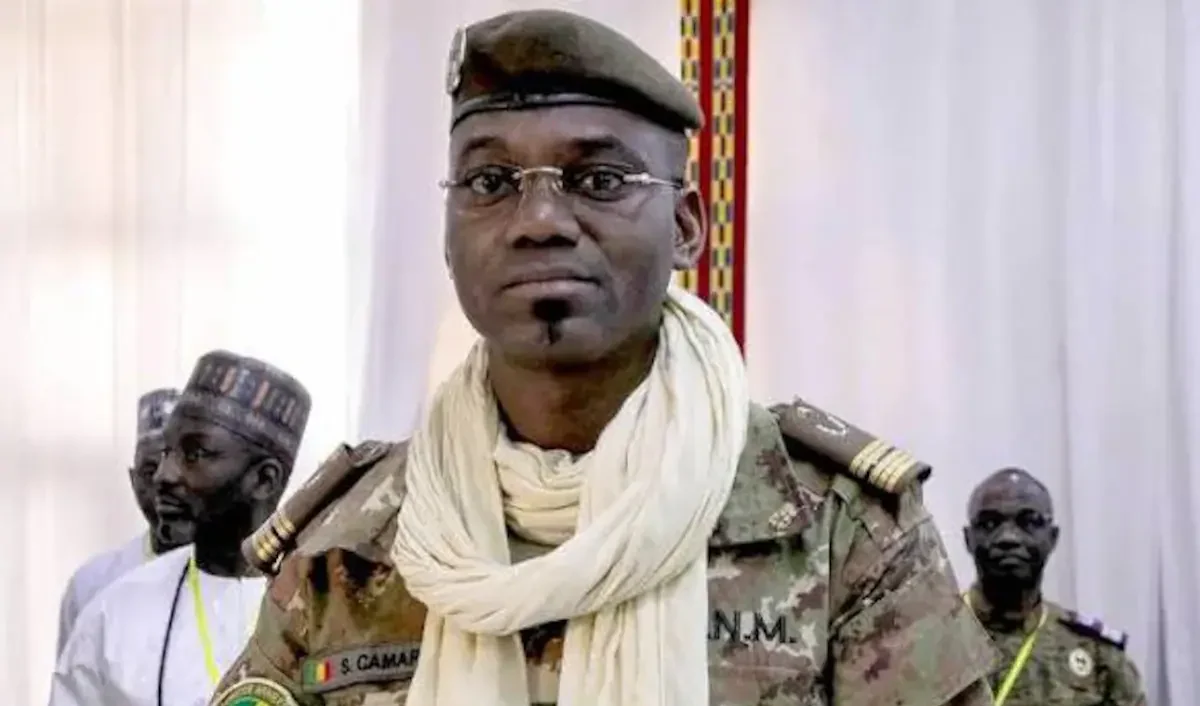
In a devastating blow to the Malian government, the nation’s Defence Minister was reportedly killed early Monday morning in a meticulously planned suicide truck bombing. The attack, which occurred at the minister’s private residence on the outskirts of Bamako, marks a significant escalation in the protracted conflict between the Malian Armed Forces and an alliance of separatist and insurgent groups. The blast was so powerful that it was heard across the capital, shattering windows in neighboring districts and leaving a crater that signifies the sheer magnitude of the explosive payload used.
While the transition government has yet to release a formal obituary, high-ranking military sources have confirmed that the minister was present at the residence during the time of the impact. The assassination comes at a critical juncture for Mali, as the army has been engaged in fierce battles with the Permanent Strategic Framework (CSP)—a coalition of Tuareg-led separatists—and other jihadist elements in the northern and central regions.
The Anatomy of the Attack: A Security Breach
Security analysts suggest that the hit was a “failure of intelligence at the highest level.” Reports indicate that a heavy-duty truck, ostensibly carrying construction supplies, bypassed several security checkpoints before detonating at the gates of the high-security compound. The timing of the attack—shortly after dawn—was likely chosen to catch the security detail off guard during a shift change.
Context: A Nation at War with Itself
The conflict in Mali has evolved significantly over the past two years. Following the withdrawal of French and UN peacekeeping forces (MINUSMA), the Malian military junta, supported by private military contractors, has attempted to reclaim territories in the north, including the strategic town of Kidal. However, this aggressive expansion has met with stiff resistance from separatist groups who are fighting for the independence of the Azawad region.
| Conflict Timeline Component | Details & Impact |
|---|---|
| Primary Actor | Malian Armed Forces (FAMa) vs. CSP/Insurgents |
| Recent Flashpoints | Kidal, Timbuktu, and now Bamako Outskirts |
| Casualty Trend | 35% increase in high-profile military fatalities in 2026 |
| Foreign Involvement | Wagner Group/Russian Contractors in support of FAMa |
Geopolitical Implications for the Sahel
The assassination of the Defence Minister is expected to trigger a massive retaliatory campaign by the Malian army. Experts at State Correspondents anticipate an intensified aerial bombardment of suspected insurgent hideouts in the north. However, there are growing concerns that such a response could lead to further civilian displacement and worsen the humanitarian crisis that has already affected millions across West Africa.
Neighboring countries, including Niger and Burkina Faso—members of the Alliance of Sahel States (AES)—have expressed solidarity with Mali, but the loss of a key military strategist will undoubtedly hamper the coordinated regional efforts to combat the insurgency. The international community is watching closely, fearing that a power vacuum within the Malian military could embolden extremist factions connected to Al-Qaeda and ISIS-Sahel.
Analysis: Why This Matters for Global Security
Mali serves as the linchpin of security in West Africa. If the central government in Bamako loses its grip on the capital, the entire Sahel corridor could become a safe haven for trans-continental criminal networks and terrorist organizations. This has direct implications for European security and global trade routes passing through the African continent.
Internal Unrest and the Path Forward
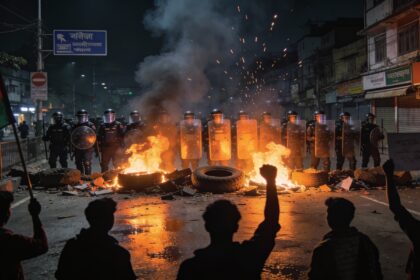
In the streets of Bamako, the mood is a mixture of shock and defiance. While some citizens support the military’s “hardline” approach to ending the rebellion, others are growing weary of the constant state of emergency. The death of the Defence Minister, a figure known for his “iron fist” policy, may lead to a reorganization of the junta. Whether this leads to a new peace dialogue or an even bloodier phase of the war remains to be seen.