Global Seismic Alert: 6.2 Magnitude Quake Hits Japan’s Hokkaido; 4.4 Tremor Rocks Afghanistan
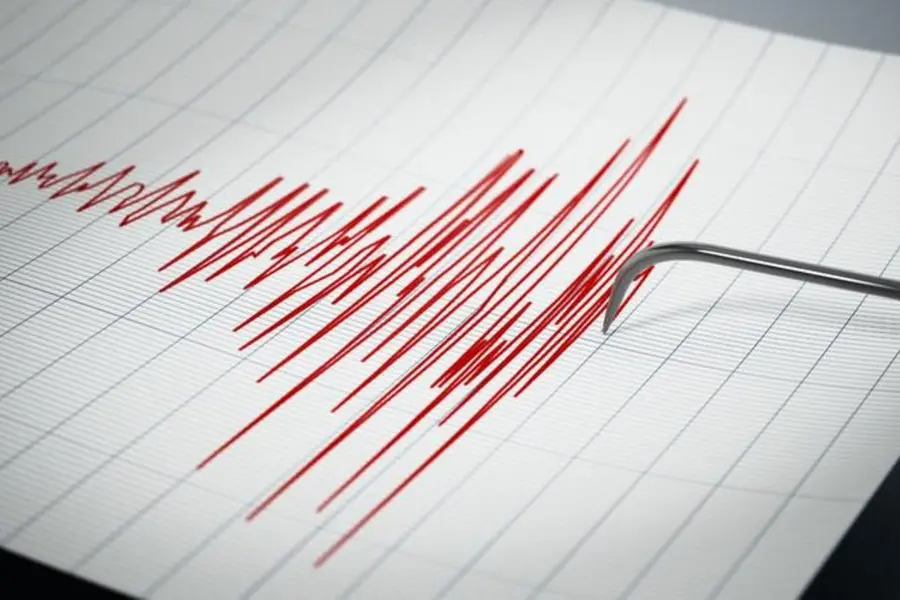
Global Seismic Alert: 6.2 Magnitude Quake Hits Japan’s Hokkaido; 4.4 Tremor Rocks Afghanistan
The Pacific “Ring of Fire” and the Eurasian tectonic plates remained intensely active this Monday morning as two separate, significant earthquakes rattled Japan and Afghanistan. The most powerful event occurred off the southern coast of Japan’s northernmost island, Hokkaido, where a 6.2 magnitude earthquake struck early in the morning, sending residents into a state of high alert. Simultaneously, the National Center for Seismology (NCS) reported a 4.4 magnitude tremor in Afghanistan, highlighting a volatile start to the week for global seismic monitoring agencies.
Japan: 6.2 Magnitude Jolt in Hokkaido
At approximately 5:23 AM local time on Monday, April 27, 2026, the southern region of Hokkaido was hit by a robust earthquake. Initially estimated at magnitude 6.1, the JMA later revised the strength to 6.2. The quake’s epicenter was located at a depth of about 83 kilometers, significantly deeper than the shallow tremors that often trigger tsunamis.
The shaking registered an “Upper 5” on the Japanese Shindo seismic intensity scale in the Tokachi region. This level of intensity typically makes it difficult for people to remain standing and can cause unreinforced masonry walls to collapse. Residents in Sapporo reported swaying buildings and falling objects, but authorities have confirmed there is no immediate threat of a tsunami. “In areas that experienced strong shaking, the danger of falling rocks and landslides has increased,” a JMA official warned during a televised briefing.
| Parameter | Japan (Hokkaido) | Afghanistan |
|---|---|---|
| Magnitude | 6.2 Mw | 4.4 Mw |
| Time (IST) | 01:53 AM | 03:24 AM |
| Depth | 83 KM | 95 KM |
| Tsunami Risk | None | N/A |
Afghanistan: Hindu Kush Region Under Stress
Hours later, at 3:24 AM IST, the National Center for Seismology (NCS) detected a magnitude 4.4 earthquake in Afghanistan. Centered at a depth of 95 kilometers, the tremor was felt across the northern and central provinces. This latest event follows a 4.0 magnitude quake just five days prior, suggesting a period of sustained tectonic adjustment in the Hindu Kush mountain range.
Afghanistan remains one of the most seismically vulnerable nations in the world due to the ongoing collision of the Indian and Eurasian tectonic plates. Today’s 4.4 tremor, while classified as “moderate,” adds to the anxiety of a population still recovering from the devastating Jorm earthquake earlier this month, which claimed 12 lives. Seismologists note that while deep-focus earthquakes like this one are less likely to cause widespread surface destruction, the cumulative impact of repeated tremors weakens infrastructure and increases the risk of landslides in mountainous terrain.
Scientific Analysis: Are the Two Quakes Linked?
While both events occurred on Monday, geologists at State Correspondents explain that they are not directly related. Japan’s activity is driven by the subduction of the Pacific Plate, whereas the Afghanistan tremor is the result of the Indian Plate pushing northward into Asia. However, the global “surge” in activity is being closely watched by experts who warn of an increased likelihood of a “megaquake” in the Japanese region following last week’s 7.7 tremor off northern Iwate.
Safety Protocols for Residents
As aftershocks are expected in both regions over the next 48 to 72 hours, local authorities have issued the following advisories:
- Secure Heavy Furniture: Ensure bookshelves and cabinets are bolted to walls.
- Emergency Kits: Keep a 3-day supply of water, non-perishable food, and a first-aid kit ready.
- Landslide Vigilance: Residents in hilly areas of Hokkaido and the Hindu Kush should monitor for cracks in the ground or unusual sounds from slopes.
For our readers at State Correspondents, especially those with interests in international logistics or regional geopolitics, these natural events can impact trade routes and infrastructure stability. We will continue to bring you real-time updates as more data becomes available from the USGS and NCS.