


PM Modi, President Trump Hold Key Call On Middle East Crisis, Stress Peace And Open Strait Of Hormuz
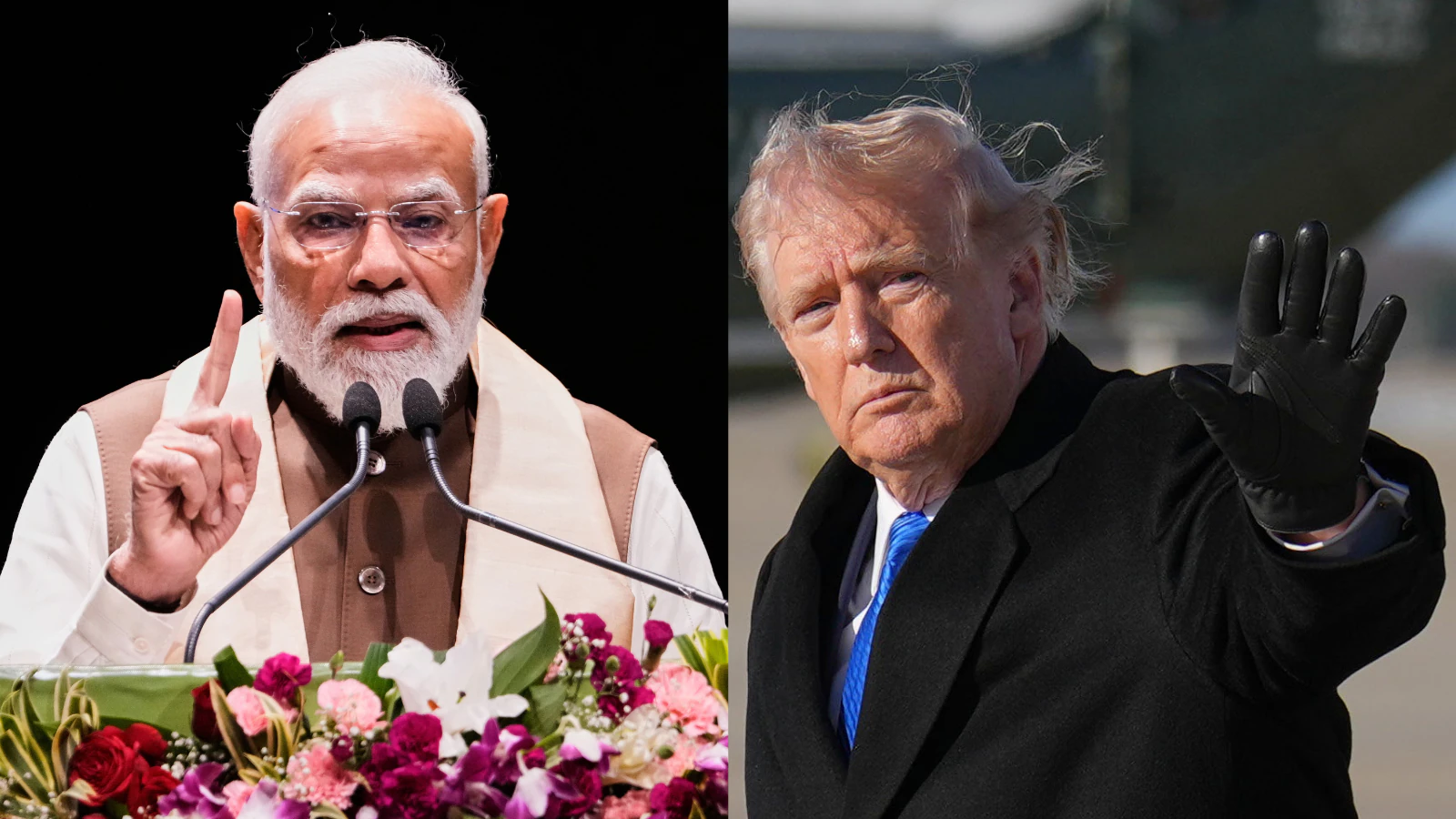
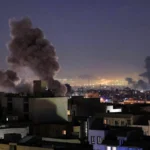
In a high-stakes diplomatic outreach as the US–Israel war with Iran grinds into its fourth week, Prime Minister Narendra Modi and US President Donald Trump have spoken by phone to take stock of the rapidly changing situation in West Asia and its impact on global energy flows.
The Call That Put Delhi At The Heart Of Crisis Management
According to US Ambassador to India Sergio Gor, President Trump dialled Prime Minister Modi on Tuesday evening to discuss the ongoing conflict in the Middle East and the mounting risks around the Strait of Hormuz, a vital maritime chokepoint now partially disrupted by the war.
Official readouts from both sides underline that the conversation went beyond routine bilateral courtesies, focusing instead on regional security, global energy markets and the need to avoid any further escalation that could push an already tense region into a wider firestorm.
In a post on X after the call, PM Modi said he had a “useful exchange of views” with President Trump on the situation in West Asia, reiterating that India “supports de-escalation and restoration of peace at the earliest” and emphasising that keeping the Strait of Hormuz “open, secure and accessible is essential for the whole world.”
Strait Of Hormuz: A Narrow Channel With Huge Stakes For India
The Strait of Hormuz, wedged between Iran and Oman, carries a substantial share of the world’s crude oil and liquefied natural gas, making it one of the most strategic waterways on the planet.
For India, which sources a large portion of its fuel, gas and fertilisers from Middle Eastern suppliers including Iraq, Saudi Arabia, the UAE and Qatar, any prolonged blockade or uncertainty around Hormuz directly threatens domestic prices, inflation and long-term growth.
In Parliament, Modi has already warned that the Iran war has triggered a “severe energy crisis” by disrupting supply chains out of the Gulf, a concern that formed a core part of his conversation with Trump, who recently threatened but then paused expanded strikes on Iranian energy infrastructure to give diplomacy a final window.
- Both leaders reviewed the fast-evolving US–Israel confrontation with Iran and its regional fallout.
- They agreed that ensuring the Strait of Hormuz remains open, secure and accessible is critical for global trade and energy security.
- India reaffirmed its stance in favour of immediate de-escalation, diplomacy and restoration of peace in West Asia.
- The call came shortly after Washington floated a 15-point ceasefire blueprint for Iran and hinted at possible high-level talks via regional mediators.
India’s Carefully Balanced Stand Between Old Ties And New Realities
New Delhi’s response to the current war has been deliberately calibrated: it has avoided taking sides in public statements, even as it quietly engages all key players, from Washington and Tel Aviv to Tehran and the Gulf capitals.
Analysts note that India’s interests today are far more tightly aligned with the United States and its partners, particularly on technology, defence and trade, even as New Delhi maintains long-standing energy and connectivity ties with Iran, including the strategically important Chabahar port project.
This diplomatic tightrope was visible in the lead-up to the Modi–Trump call as India urged “restraint, dialogue and diplomacy” following US–Israel strikes that killed Iran’s Supreme Leader Ayatollah Ali Khamenei, while stopping short of outright condemnation in a bid to preserve room for manoeuvre with all sides.
“India supports de-escalation and restoration of peace at the earliest. Ensuring that the Strait of Hormuz remains open, secure and accessible is essential for the whole world,” PM Modi posted after the call, signalling that India’s primary red line is disruption of global energy lifelines.
Trump Looks To New Delhi As War Enters A Dangerous Phase
The outreach to Modi comes at a time when Trump has publicly claimed “very good and productive conversations” with Tehran over a comprehensive ceasefire, while Iranian officials dismiss those claims as “fake news” and insist no talks are underway.
Reports suggest Washington has shared a 15-point ceasefire proposal with Iranian interlocutors through countries like Pakistan, Turkey and Egypt, demanding nuclear and missile curbs as well as a full reopening of Hormuz in return for phased sanctions relief and security guarantees.
Against this backdrop, keeping Modi “in the loop” — as Ambassador Gor reportedly put it — underlines that the US sees India not only as a major energy consumer but also as a potential diplomatic bridge with Tehran, given New Delhi’s relatively open channels with the Iranian leadership.
Human And Economic Costs Weigh On Delhi’s Mind
As the conflict stretches on, casualty numbers in Iran continue to climb, with hundreds reported killed in multiple waves of US–Israel strikes and retaliatory missile attacks across the region.
Beyond the human toll, India is wary of second-order effects: millions of Indian expatriate workers in Gulf countries are exposed to any escalation, while remittances, shipping insurance premiums and freight costs could all be hit if the security environment deteriorates further.
Israel’s envoy in New Delhi has already warned that Iranian threats could affect the lives of nearly 10 million Indians living and working in Gulf states, a reminder that West Asia’s stability is not an abstract issue but a bread-and-butter question for Indian households.
Will India Take On A Bigger Mediator Role?
So far, New Delhi has kept its diplomatic messaging measured, supporting any process that reduces violence while avoiding the label of formal “mediator” between Washington and Tehran.
However, the sequence of recent phone calls — Modi speaking first with Iran’s President Masoud Pezeshkian and now with President Trump — has sparked speculation that India may gradually assume a more visible role in nudging both sides towards an eventual political settlement.
Officials familiar with the discussions stress that India’s immediate priority remains clear: protect its energy security, shield its citizens in the Gulf, and support any international effort that can rapidly cool tempers and reopen sea lanes without drawing the region into a larger, uncontrollable conflict.
What Happens Next?
Over the coming days, attention will be fixed on whether Tehran formally responds to the US ceasefire proposal and whether Trump proceeds with or permanently shelves threatened strikes on Iranian energy facilities.
For India, each twist in the crisis will be read through the twin lenses of economic resilience and strategic autonomy: staying close to Washington and its partners, but preserving just enough distance to keep dialogue possible with Iran and the wider region.
As oil markets gyrate and war clouds refuse to lift over West Asia, the Modi–Trump conversation marks a crucial moment in Delhi’s attempt to shape events, not merely react to them. State Correspondents will continue to track every development — from New Delhi’s diplomatic corridors to the shipping lanes off Hormuz — as this high-stakes geopolitical drama unfolds.
Tags:
Like and Follow State Correspondents Facebook Page Latest International News Iran US War Subscribe for alerts© 2026 State Correspondents. All rights reserved.