



Iranian Missile Barrages Kill Civilians Deep Inside Israel
As the West Asia war intensifies, Iranian missile barrages have struck deep inside Israel, killing civilians in multiple cities despite one of the world’s most advanced air defence systems. A deadly hit on a public shelter in Beit Shemesh, a cluster-munition blast in Ramat Gan and other barrages near Tel Aviv and Jerusalem have brought the civilian death toll from Iranian strikes in Israel to at least the high teens, according to official and media tallies.
Beit Shemesh: Missile Hits Public Shelter, Kills Nine
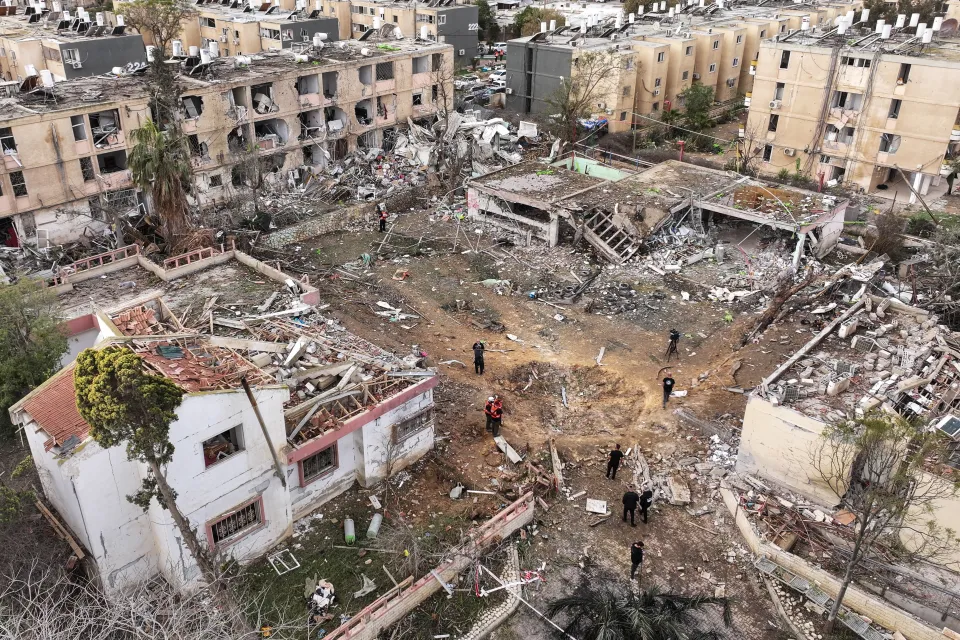
One of the deadliest incidents so far took place on March 1 in Beit Shemesh, a largely Orthodox city about 30 to 35 miles west of Jerusalem. An Iranian ballistic missile slammed into a residential neighbourhood and directly struck a communal bomb shelter beneath or near a synagogue, killing at least nine civilians and injuring more than 20 others.
Images from the scene showed concrete pulverised into dust, twisted metal and scattered personal belongings where homes and the shelter had stood just moments earlier. Israeli emergency service Magen David Adom described “heavy structural damage, smoke in the air and a great deal of chaos” as frightened residents emerged from shattered buildings in search of missing relatives.
The attack in Beit Shemesh marked the single largest civilian death toll from an Iranian strike in Israel since the war began and became a reference point in international discussions on the conflict. Israeli officials accused Tehran of deliberately targeting civilian areas, while Iran insisted it was retaliating for the killing of senior leadership figures in earlier Israeli and US strikes.
Ramat Gan: Elderly Couple Killed by Cluster Munition
On March 18, another Iranian missile barrage hit the Tel Aviv district and surrounding suburbs, with one cluster-munition warhead smashing into a residential building in Ramat Gan. An elderly couple in their seventies were killed when the roof of their apartment collapsed just outside their safe room, after they failed to reach the fortified space in time, medics and police said.
Emergency responders described extensive damage to nearby homes and vehicles as bomblets and shrapnel pierced walls, set cars on fire and left rubble strewn across several streets. Authorities later confirmed that the warhead used appeared to be a cluster munition, a type of weapon widely criticised by rights groups because unexploded submunitions can continue to threaten civilians long after the initial blast.
The same barrage damaged infrastructure at Tel Aviv’s Savidor Central rail hub, forcing a temporary nationwide suspension of train services and further underscoring how civilian transport arteries are caught in the crossfire. Local mayors described the night as one of the most frightening episodes residents had experienced since the Iran–Israel phase of the war began.
Yehud, Sharon and Other Strikes on Civilians
Iranian missiles have also killed civilians in other parts of central Israel. On March 9, submunitions from an Iranian missile equipped with a cluster bomb warhead struck a construction site in the town of Yehud, just outside Tel Aviv, killing two workers and seriously injuring a third. The victims were caught outdoors and had not reached protected shelters when the fragments rained down, reports said.
In another incident, media reports highlighted the death of a foreign worker in Israel’s Sharon region following a missile strike, alongside multiple injuries as fragments and interceptor debris fell over a wide area. Israel’s Health Ministry has said thousands of people have been treated for injuries linked to missile alerts and strikes, from shrapnel wounds to trauma suffered while rushing to shelters.
Monitoring groups such as ACLED, which track political violence worldwide, note that dozens of Iranian missile and drone strikes have directly hit or impacted near civilian areas in Israel since the war escalated, resulting in multiple deaths and injuries despite overall interception rates remaining high.
Rising Civilian Toll in Israel from Iranian Strikes
By mid-March, various official and media tallies suggested that between 14 and 18 people in Israel had been killed by Iranian missile and drone attacks since the first barrages were launched at the end of February. The victims include ultra-Orthodox residents of Beit Shemesh, an elderly couple in Ramat Gan, construction workers in Yehud and at least one foreign caregiver in the Tel Aviv area, among others.
Al Jazeera’s rolling casualty tracker recorded at least 18 Israelis killed and more than 3,700 injured in Iranian strikes by early March, a figure that includes those hurt while running to shelters or affected by interceptor debris. Jewish Insider and other outlets, citing Israeli emergency services, have similarly reported at least a dozen civilians killed, with some estimates counting additional deaths from later barrages.
Iranian authorities maintain that their strikes are aimed at military and strategic targets and portray civilian casualties as the unavoidable by-product of a conflict they blame on earlier US and Israeli actions against Iran. Israel, in turn, accuses Tehran of systematically targeting civilian centres to sow fear and pressure, describing the Iranian government as a “terror regime” in statements by its military spokespersons.
Warning Time, Shelters and the Limits of Protection
Israel’s warning sirens and dense network of bomb shelters are credited with preventing far higher casualty figures, giving residents crucial seconds to reach safe rooms or public bunkers when launches are detected. Even so, cases like the Ramat Gan couple — who did not make it into their safe room before the roof collapsed — highlight how narrow the margin can be in a war of high-speed ballistic missiles and cluster munitions.
In Beit Shemesh, the direct impact on a communal shelter has sparked intense debate about shelter design and the risks of crowding many people into a single protected space that could itself become a target. Some residents and commentators have questioned whether more dispersed shelter arrangements or reinforced safe rooms in each apartment might offer better survivability during heavy barrages.
Israeli police and bomb-disposal units have also warned that interceptor debris and unexploded submunitions can be just as dangerous as the original warheads. Citizens have been repeatedly urged not to touch suspicious fragments and to call emergency services immediately when they spot shrapnel or unexploded objects after a siren ends.
International Law and Condemnation Over Civilian Harm
Human-rights organisations and UN experts have voiced concern over the use of indiscriminate weapons like cluster munitions in densely populated urban areas, whether by Iran in Israel or by other parties elsewhere in the region. They argue that such attacks are likely to violate principles of distinction and proportionality under international humanitarian law when they are not carefully directed away from civilians.
Western governments allied with Israel have condemned the strikes, with European and US officials calling on Iran to stop targeting civilian zones and to accept de-escalation proposals. Tehran, however, insists that it is acting in “legitimate defence” and has framed its barrages as revenge for assassinations of senior Iranian figures, including security chief Ali Larijani and Supreme Leader Ayatollah Ali Khamenei.
As the wider West Asia conflict widens to Lebanon and the Gulf, analysts warn that urban civilians on all sides — in Israel, Iran, Lebanon and occupied Palestinian territories — face mounting risks from missile and drone warfare that does not always respect front lines or clear distinctions between military and non-military targets.
Frequently Asked Questions on Iranian Missile Attacks Killing Civilians in Israel
Tags:
Like and Follow State Correspondents Facebook Page Latest International News Iran US War Subscribe for alerts© 2026 State Correspondents. All rights reserved.