




Supreme Court Refuses Bail To Umar Khalid And Sharjeel Imam In 2020 Delhi Riots Conspiracy Case
What The Supreme Court Decided
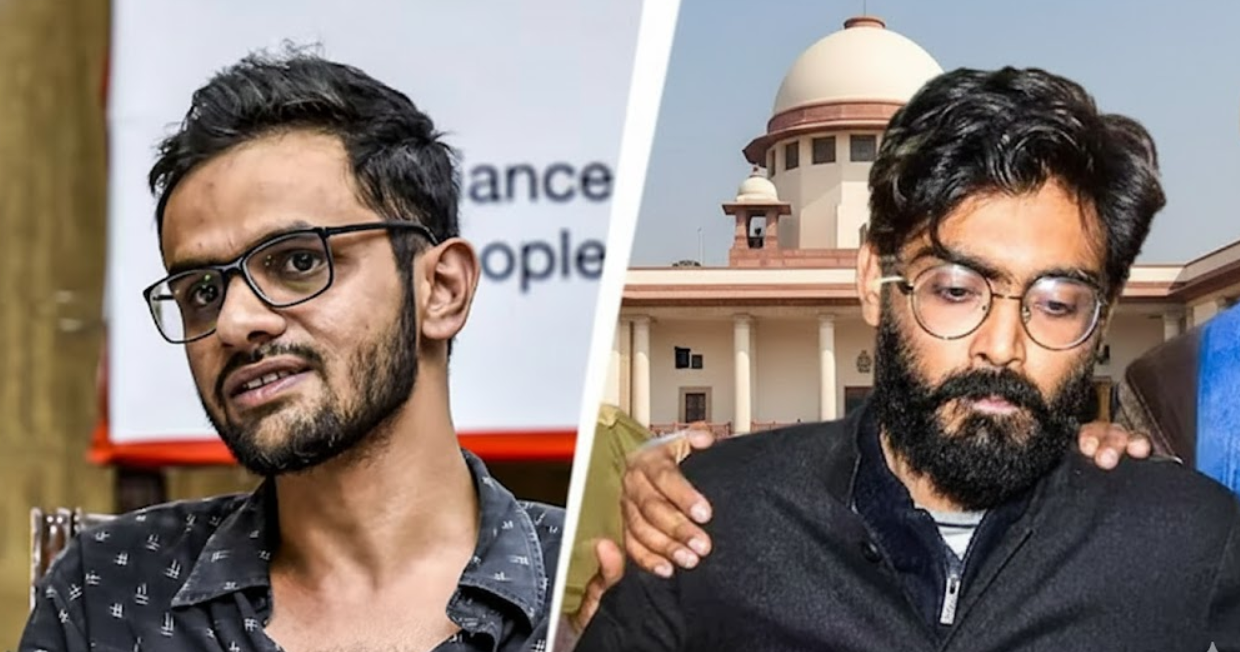
A Bench of Justices Aravind Kumar and N.V. Anjaria rejected the separate but connected bail applications of Umar Khalid and Sharjeel Imam, who have been in custody for more than five years in the Delhi riots “larger conspiracy” FIR linked to protests against the Citizenship (Amendment) Act.
The Court concluded that, taking the prosecution material at face value, there are reasonable grounds to believe that the allegations against both are prima facie true, thereby attracting the bail embargo under Section 43D(5) of the UAPA.
Central And Formative Role Alleged
The Bench emphasised that all accused in the conspiracy case do not stand on the same footing and described Khalid and Imam as having a “central and formative” role in the alleged design behind the February 2020 communal violence in northeast Delhi.
According to the prosecution narrative noted by the Court, Khalid is portrayed as a key organiser who allegedly conceptualised and coordinated a strategy of nationwide road blockades and “chakka jams”, while Imam is accused of using speeches, pamphlets and coordination groups to advocate disruptive blockades aimed at choking the capital.
Why Bail Was Denied But Granted To Others
On the same day, the Supreme Court granted bail to five co‑accused in the batch of petitions, observing that their alleged roles were more localised and site‑specific, without attribution of leadership in planning the overall conspiracy.
Distinguishing Khalid and Imam, the Court said that their roles went beyond presence at protest sites and involved steering mobilisation, strategy and communication, making their situation qualitatively different from other accused who have been released.
Court’s View On Long Detention And Future Bail
While noting that both activists have already spent more than five years in pre‑trial custody, the Bench held that the length of incarceration alone was not enough to override the statutory restrictions where prima facie involvement in serious UAPA offences is made out.
However, the Court left a limited window open, clarifying that Khalid and Imam may renew their request for bail at a later stage if the trial does not progress meaningfully or if future developments justify reconsideration of their continued detention.
Background: 2020 Delhi Riots Larger Conspiracy Case
The case stems from violent clashes in northeast Delhi in February 2020 during protests against the CAA and NRC, in which 53 people were killed and hundreds injured, mostly in Muslim‑majority localities.
Delhi Police allege that a network of protest sites, road blockades and public speeches formed part of a pre‑planned conspiracy to engineer communal riots and internationalise opposition to the citizenship law, an allegation the accused and their supporters strongly deny.