




Geminid Meteor Shower To Put On Spectacular Show Over India Tonight
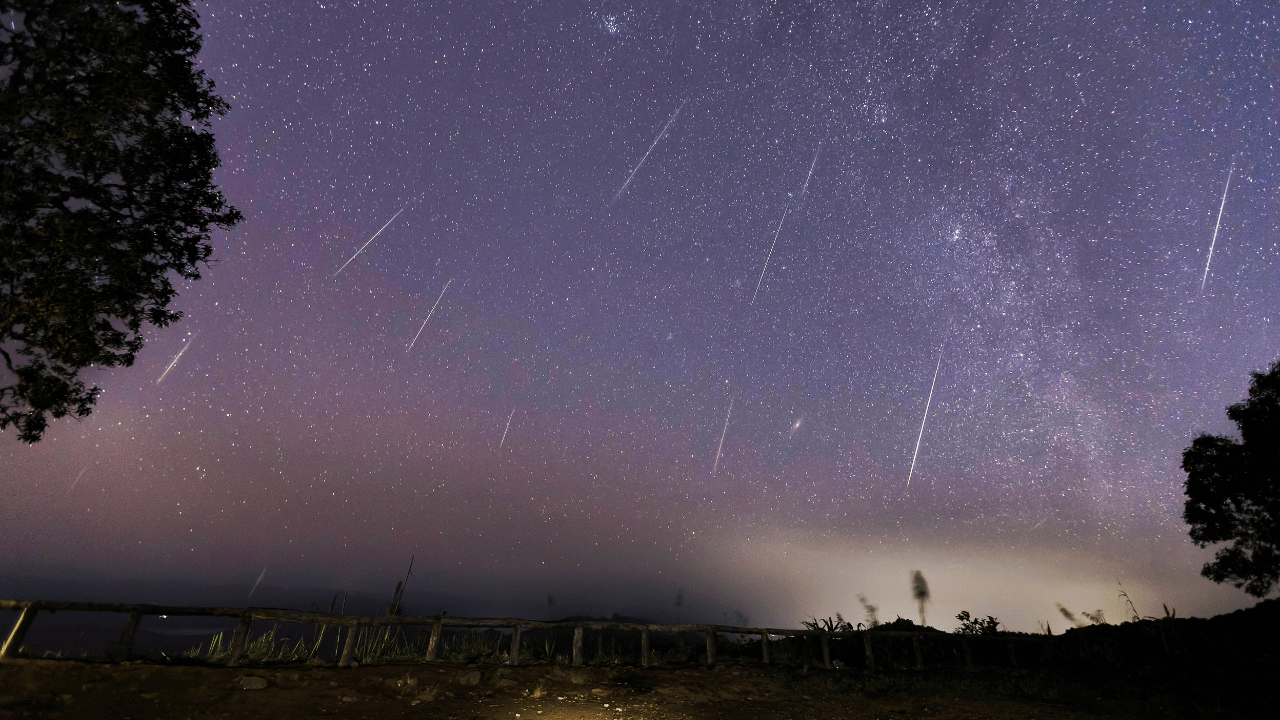
Sky‑watchers across India are set for a stunning celestial display tonight as the annual Geminid meteor shower reaches its peak, sending bright “shooting stars” streaking across the sky from evening through the pre‑dawn hours. Astronomers say this year’s conditions are especially favourable, with minimal moonlight and the prospect of seeing dozens of meteors per hour from dark, unpolluted locations.
What Makes The Geminids Special?
The Geminid meteor shower is considered one of the strongest and most reliable of the year, regularly producing bright, multi‑coloured meteors and occasional fireballs. Unlike many other showers that originate from comets, the Geminids come from debris shed by asteroid 3200 Phaethon, which behaves like a “rock comet” as it swings close to the Sun.
Under ideal dark‑sky conditions, observers worldwide can see up to 100–150 meteors an hour at the peak, though typical rates from semi‑rural Indian locations are expected to be lower depending on light and air pollution. The meteors are relatively slow as they hit Earth’s atmosphere at about 34 kilometres per second, making their trails easier to follow and photograph.
Best Time To Watch In India
Peak hours and direction
For Indian observers, the shower will be active through the night, but the most rewarding time is likely between late evening on December 14 and the early morning of December 15. Several observatories and astronomy groups suggest that the sweet spot is from around midnight to 4:00 am IST, when the radiant in Gemini is high overhead and the sky is at its darkest.
Viewers should face towards the east‑northeast initially, then scan a wide area of the sky rather than staring directly at Gemini, as meteors can appear anywhere along their paths. No telescope or binoculars are needed; the naked eye is best because it gives a wide field of view.
Where To Go For The Best View
The shower will be visible from most of India provided local weather cooperates, but dark, open areas away from city lights will dramatically increase the number of meteors you can see. Popular stargazing spots highlighted by astronomy groups include hill stations and rural belts such as Mukteshwar and Kausani in Uttarakhand, Coorg in Karnataka, parts of Rajasthan’s desert region and remote stretches near national parks.
Even in big cities, residents may manage to spot a few bright streaks from rooftops or terraces if they can minimise direct street lighting and find a patch of sky unobstructed by high‑rises. Those unable to travel can join online livestreams, including feeds from the Virtual Telescope Project in Italy and other observatories, which will track the shower in real time.
Tips For Skywatchers And Photographers
Astronomers advise allowing at least 20–30 minutes for your eyes to adjust to the dark, dressing warmly, and carrying a mat or reclining chair so you can comfortably watch the sky without neck strain. Switching off phone screens or using a red‑light mode helps preserve night vision and makes fainter meteors easier to catch.
For photography, a tripod‑mounted camera with a wide‑angle lens, high ISO and long‑exposure settings can capture multiple streaks in a single frame; pointing slightly away from the radiant often yields longer trails. Experts remind spectators to be patient: meteor showers come in bursts, and the most memorable views often reward those who stay out under the stars for at least an hour.