
Outrage in Capital: Three Women Journalists Allege Sexual Harassment by Delhi Police During Parliament Protest; Probe Transferred to Crime Branch
Opposition parties and media bodies demand high-level accountability after on-duty reporters recount physical assault and misconduct during crowd-control action near Parliament.
NEW DELHI: Severe public outrage and nationwide political condemnation have erupted after three female journalists formally accused Delhi Police personnel of sexual harassment and physical manhandling while they were covering a demonstration outside Parliament. Facing mounting heat from media associations and parliamentarians, top police brass has transferred the investigation to the specialized Crime Branch.
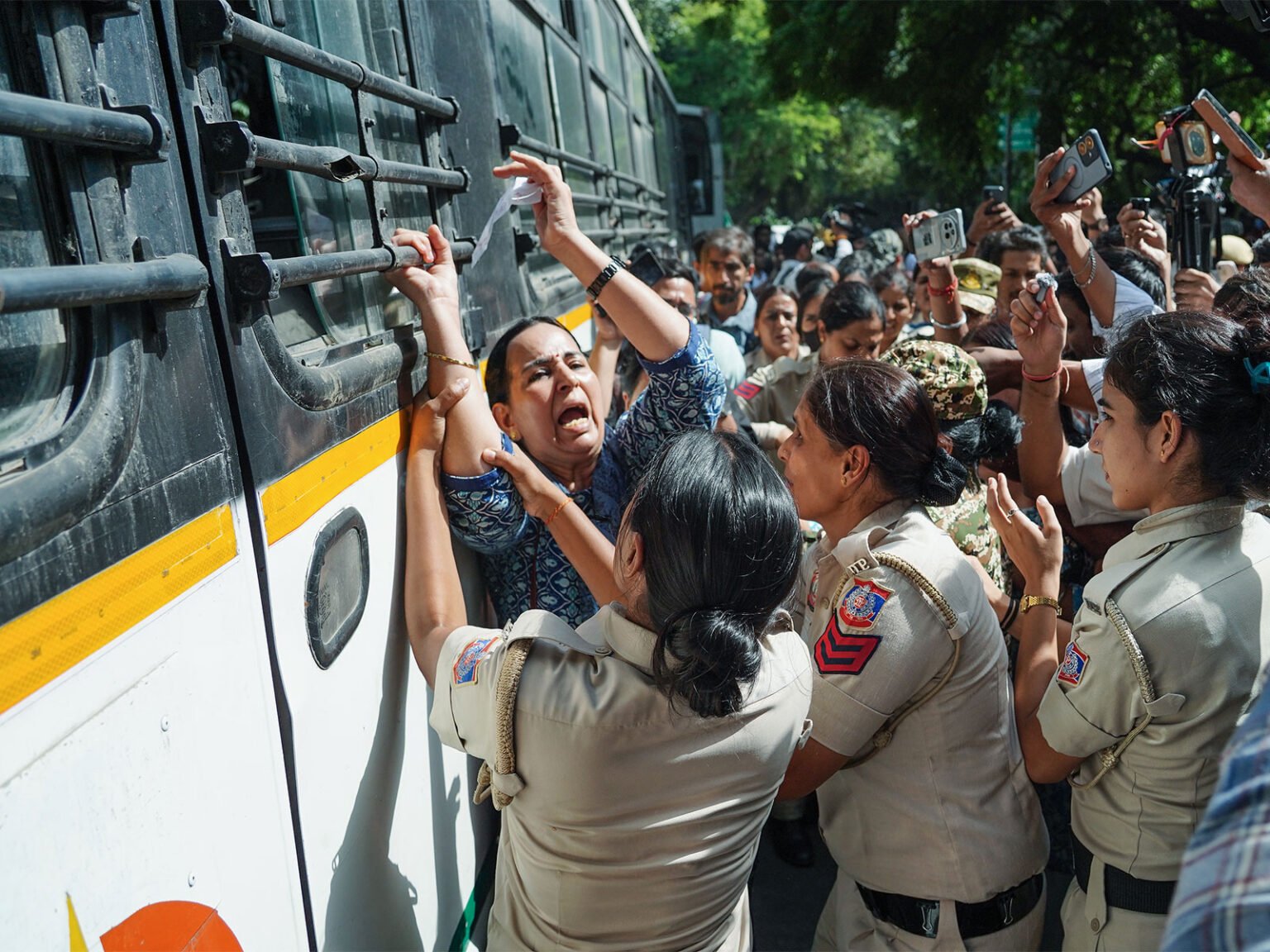
The incident reportedly occurred when law enforcement personnel moved to detain and disperse demonstrators gathered near the high-security perimeter. According to formal complaints lodged by the journalists, uniformed male personnel deliberately bypassed standard crowd-control protocols, using force and engaging in inappropriate physical contact despite the reporters clearly displaying their press credentials and cameras.
Key Highlights of the Case
- Grave Allegations: Three accredited women journalists recount egregious sexual harassment, physical assault, and verbal abuse by police personnel during duty.
- Crime Branch Referral: Delhi Police has handed over the inquiry to the Crime Branch to examine CCTV angles, body-camera feeds, and viral mobile footage.
- Nationwide Condemnation: Media watchdog collectives, the Press Club of India, and senior opposition MPs demand instant suspension of accused cops.
- SOP Violation: Questions raised over the glaring absence of adequate women police personnel on the frontline during crowd control operations involving women.
Journalists Recount Ordeal on the Ground
In their joint representation, the victims stated that they were clearly identifiable as working media and were documenting the detention of protesters when several male officers converged on them.
“We were not part of the protest; we were holding our recording equipment and official media accreditation cards. Yet, male personnel intentionally pushed, grabbed, and subjected us to unprovoked touch and verbal hostility. There were virtually no women officers in the immediate cluster to handle the situation,” one of the affected journalists stated in her complaint.
“Targeting journalists carrying out their constitutional duty is unacceptable, but sexually intimidating female reporters in the heart of the national capital strips away every pretence of professional policing. We demand swift punitive action, not bureaucratic cover-ups.”
Political Crossfire and Media Outrage
The controversy has ignited fierce reactions across political lines. Several opposition leaders slammed the Union Home Ministry and Delhi Police leadership, pointing out that assaults on press freedom and women’s physical dignity in a heavily militarized high-security district show a breakdown of policing standards.
Media associations—including the Press Club of India (PCI), the Editors Guild, and various women press bodies—issued a strong joint resolution demanding the immediate identification and suspension of the erring personnel pending a time-bound, independent probe.
Official Police Position & Crime Branch Mandate
Delhi Police officials stated that the department views the matter with utmost gravity. A senior officer confirmed that the matter has been entrusted to a specialized Crime Branch team headed by a senior woman officer. Investigators have been instructed to secure complete raw footage from security cameras, drone feeds, and broadcast streams to establish the sequence of events and fix accountability.
Demands for Structural Safeguards for Working Reporters
Beyond individual disciplinary proceedings, the episode has reignited discussions on field protocols for journalists covering high-friction political gatherings. Media unions have urged the Ministry of Information and Broadcasting alongside administrative bodies to formulate clear, enforceable Standard Operating Procedures (SOPs) that guarantee physical protection for media personnel and mandate adequate deployment of female officers at all sensitive public demonstration sites.