




Lashkar Terror Module Busted: Security Forces Arrest 8 Over Plotting Major Attack in India
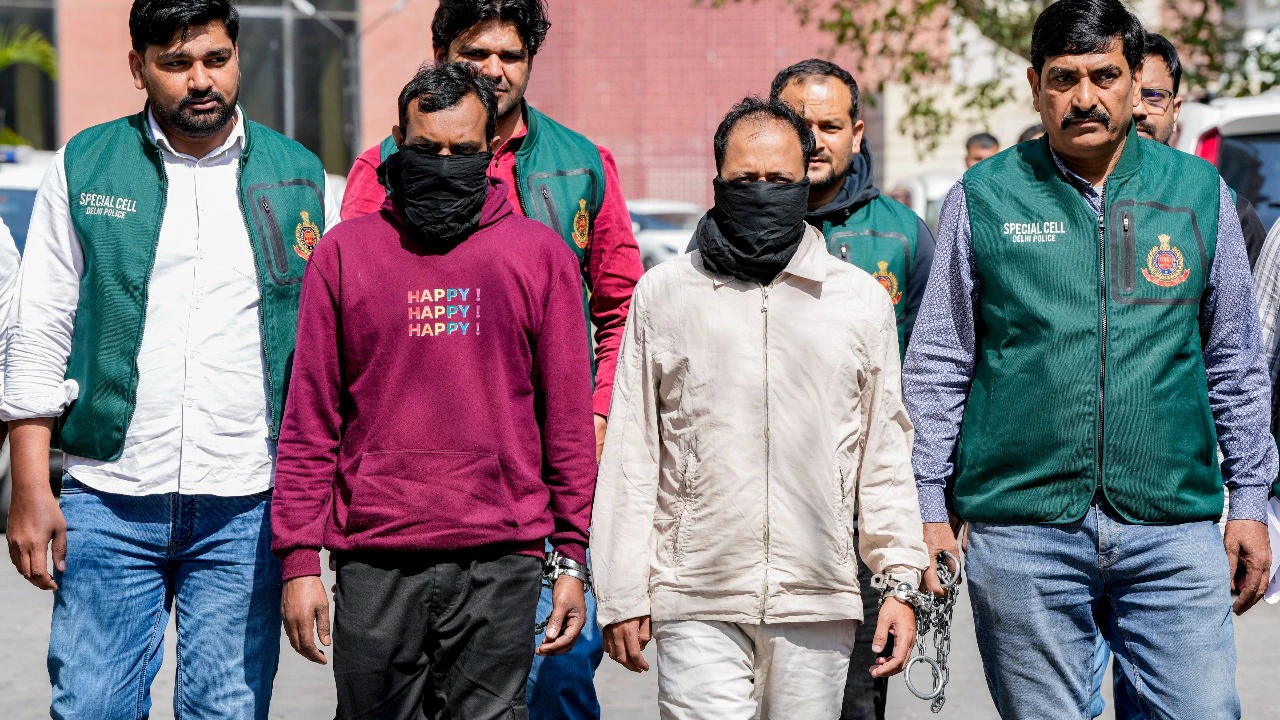
In a major breakthrough for national security, Indian intelligence and law enforcement agencies have successfully dismantled a Lashkar-e-Taiba (LeT) terror module, arresting eight operatives accused of conspiring to execute a large-scale terrorist attack targeting multiple high-value locations across India.
The coordinated operation, spanning Delhi, Uttar Pradesh, Haryana and Jammu & Kashmir, was triggered by specific intelligence inputs about an active sleeper cell receiving arms, explosives and operational directives from Pakistan-based handlers affiliated with the Pakistan-based militant group. Officials described the arrests as a timely intervention that averted what could have been one of the most devastating attacks in recent years, with preliminary investigations revealing detailed reconnaissance of crowded public spaces, transport hubs and government installations.
• Arrests: 8 terror suspects from 4 states.
• Affiliation: Lashkar-e-Taiba (LeT) with Pakistan ISI links.
• Target: High-profile attacks in major cities.
• Seizures: IEDs, arms, cash and digital devices.
• Agencies: NIA, Delhi Police, UP-ATS, J&K Police.
The Multi-State Crackdown Unfolds
The intelligence breakthrough came through cyber surveillance and human intelligence networks tracking suspicious online communications and financial transactions linked to known LeT operatives across the border. Acting swiftly, the National Investigation Agency (NIA) took the lead, coordinating with state anti-terror squads to execute simultaneous dawn raids on 12 locations where the module members were hiding and storing materiel.
Sources familiar with the investigation revealed that the arrested individuals, aged between 22 and 38, included local recruits radicalised through social media platforms and encrypted apps, as well as a few experienced handlers who had previously undergone training in Pakistan-occupied Kashmir (PoK). The module reportedly aimed to strike during a high-visibility national event, with digital footprints showing extensive surveillance footage and mapping of potential targets in the national capital region and beyond.
Deadly Arsenal And Cross-Border Links Exposed
| Item Seized | Quantity/Description | Location |
|---|---|---|
| Improvised Explosive Devices (IEDs) | 5 ready-to-use pressure-cooker bombs | Delhi & UP hideouts |
| Arms & Ammunition | 3 AK-47 rifles, 12 pistols, 500+ rounds | Haryana godown |
| Explosives | 15 kg RDX, detonators, timers | J&K recovery |
| Drones & Tech | 2 weaponised drones, laptops with attack plans | Multiple sites |
| Cash & Documents | ₹28 lakh hawala money, fake IDs | All locations |
The seizures paint a grim picture of the module’s operational sophistication, with chemical explosives smuggled across the border via established infiltration routes and assembled locally under remote guidance from LeT commanders. Forensic teams are analysing the recovered IEDs, which mirror those used in past high-casualty attacks, while cyber experts are decoding encrypted chats that allegedly contain attack timelines, suicide bomber nominations and contingency plans.
Pakistan Hand And Radicalisation Web
Interrogations have established direct communication links between the arrested Lashkar terror module operatives and senior LeT figures operating from safe houses in Pakistan, with funding routed through hawala networks and Dubai-based conduits controlled by Pakistan’s Inter-Services Intelligence (ISI). The module’s recruits were primarily drawn from vulnerable youth in border districts, groomed through a sophisticated online propaganda campaign that glorified jihad and promised martyrdom rewards, investigators said.
The operation underscores the persistent threat from Pakistan-sponsored terrorism, with agencies noting a recent uptick in LeT activities aimed at derailing India’s security and economic stability amid regional tensions.
Investigation Deepens, More Arrests Likely
All eight suspects are currently under intense grilling in separate NIA facilities, with polygraph tests and narco-analysis approved to extract details about the larger network, potential accomplices and future targets. Preliminary leads point to at least 15 more sympathisers under surveillance, including some with alleged ties to radical madrasas and overseas fundraisers masquerading as charities.
- Key Interrogation Focus: Handler identities, attack timelines, drone delivery plans.
- Forensic Priority: Explosive fingerprints, communication metadata.
- Cyber Trail: Dark web purchases, VPN usage patterns.
- Financial Probe: Hawala routes, crypto transactions.
Government, Public Response To The Foiled Plot
Prime Minister’s Office and Home Ministry commended the security apparatus for their “proactive and precise” action, reiterating the government’s zero-tolerance policy towards terrorism and commitment to modernising intelligence capabilities. Political leaders across parties expressed relief while urging stricter border vigil and enhanced community outreach to counter radicalisation, with opposition figures calling for a white paper on cross-border threats.
Civil society and affected communities have hailed the operation as a testament to India’s robust counter-terrorism framework, though experts caution that such modules represent the tip of a persistent iceberg requiring sustained vigilance, international cooperation and domestic deradicalisation efforts.
Broader Implications For National Security
This bust comes amid heightened alert levels following recent global terror incidents and intelligence about proxy warfare escalation from adversarial neighbours. It highlights the evolving threat landscape where technology aids both attackers and defenders – from drone deliveries to encrypted plotting – demanding agile responses from India’s security establishment.
As investigations continue, the nation breathes a sigh of relief but remains braced for revelations that could expose deeper conspiracies. The successful disruption serves as a stark reminder of the invisible battles fought daily to safeguard peace and progress in a volatile neighbourhood.