

GEOPOLITICS / WEST ASIA BUREAU
Middle East Conflicts Surge as US Launches 9th Consecutive Night of Targeted Strikes Amid Strait of Hormuz Shipping Crisis
US Central Command expands bombardment against Iranian command centers, coastal radar installations, and missile batteries following tanker explosions and fresh maritime transit warnings across critical energy routes.

WASHINGTON / TEHRAN — Military operations in West Asia reached a critical juncture today as the United States completed its ninth consecutive night of heavy airstrikes targeting military assets inside Iran. The operations follow a series of explosive attacks on commercial oil tankers transiting the strategic Strait of Hormuz, prompting international maritime authorities to issue severe navigation advisories.
In an official operational briefing released early Monday, US Central Command (CENTCOM) confirmed that fighter jets and naval assets conducted synchronized strikes against Iranian military command centers, air defense systems, coastal surveillance radars, drone launch platforms, and communications infrastructure.
According to CENTCOM, the campaign remains explicitly focused on “degrading Iran’s capability to target commercial vessels and civilian mariners transiting international waters”.
Tanker Explosions and Maritime Transit Warnings
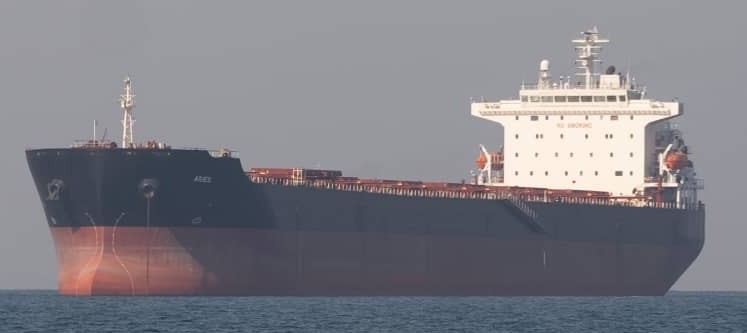
Tensions erupted along the chokepoint—through which nearly 20% of global petroleum passes daily—after Iran’s Islamic Revolutionary Guard Corps (IRGC) reported that two commercial oil tankers suffered explosions and were brought to a halt while attempting to enter southern shipping channels.
Concurrently, the United Kingdom Maritime Trade Operations (UKMTO) agency issued an urgent warning to commercial shipping after receiving reports of a vessel engulfed in flames approximately 8 nautical miles northwest of Kumzar, Oman.
Energy Shock: Crude Oil Surges Past $91 per Barrel
The sudden disruption to international shipping traffic triggered an immediate spike across global energy exchanges. Brent crude prices jumped over 3.5% to exceed $91 per barrel—reaching its highest price point since early June—as global traders priced in prolonged supply chain risks through the Gulf region.
Commenting on the ongoing military operations, US Secretary of State Marco Rubio affirmed Washington’s commitment to maintaining free navigation:
“The Strait of Hormuz is an international waterway. It is clear that Iran seeks to control the straits and hold that choke point as leverage against the world economy. As long as maritime attacks continue, our military response will persist.”
Regional Incident Summary & Operational Metrics
| Domain / Location | Status / Operational Event |
|---|---|
| US Operational Status | 9th Consecutive Night of CENTCOM Airstrikes Completed |
| Strait of Hormuz | 2 Oil Tankers Immobilized; UKMTO Issues Active Fire Advisory |
| Key Targets Hit | Air Defenses, Coastal Radars, Missile Sites, Command Hubs |
| Energy Impact | Brent Crude Rises Above $91/barrel (1-Month High) |
| Regional Security Alert | Air defense interceptions reported across Gulf states |
Geopolitical Outlook
With regional air defenses active and diplomatic channels strained following the collapse of last month’s preliminary talks, international defense analysts warn that the standoff around the Strait of Hormuz could spark broader global economic reverberations if shipping lines remain halted.