




Sensex Crashes Over 1,800 Points As Crude Soars, HDFC Chairman’s Ethical-Exit Letter Rattles Dalal Street
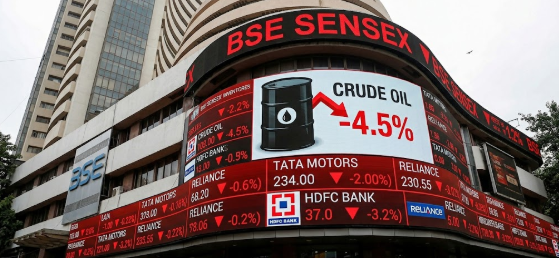
- Sensex slumps over 1,700–1,800 points in early trade, while Nifty slips more than 450–500 points, as investors dump financials, oil & gas and rate‑sensitive stocks.
- Crude oil rally driven by Israel–Iran strikes on key fields and fears of a prolonged Strait of Hormuz disruption worsens inflation and current account worries.
- HDFC Bank chairman Atanu Chakraborty resigns citing “values and ethics” mismatch; interim chairman Keki Mistry and RBI later stress there are no material operational or governance concerns at the bank.
The Indian stock market witnessed a brutal sell‑off on Thursday, with the Sensex tumbling over 1,800 points intraday and the Nifty sliding more than 450 points, as a sharp crude oil rally from Middle East tensions collided with a shock resignation at HDFC Bank to create a perfect storm of risk‑off sentiment.
Traders said two triggers unnerved investors at once: fresh strikes on West Asian oil and gas infrastructure pushing Brent above the 110‑dollar‑per‑barrel mark, and the sudden exit of HDFC Bank’s part‑time chairman Atanu Chakraborty, who cited ethical concerns in a strongly worded resignation letter.
Sensex Nosedives As Oil Shock Hits India
Market snapshots from the day’s trade showed the Sensex dropping roughly 1,750–1,800 points, or around 2–2.3 per cent, in morning deals, with the Nifty 50 down more than 450–500 points, as banking, auto, FMCG and metal counters all took heavy knocks.
Financial news trackers estimated that between ₹8–₹12 lakh crore in investor wealth was wiped out within hours as the sell‑off broadened beyond frontline stocks into mid‑caps and small‑caps, mirroring earlier war‑driven routs seen this month.
The slide followed a steep run‑up in Brent crude prices on the back of escalating Israel–Iran hostilities and missile strikes on key oil and gas fields, reviving fears of a lasting disruption in the Strait of Hormuz and the return of an inflation shock for energy‑importing economies like India.
West Asia Conflict Back In Focus
Reports of Israel hitting Iranian energy assets and Tehran retaliating against Gulf facilities have fuelled worries that global energy flows could be curtailed for weeks, sending crude up by more than 8–18 per cent across recent sessions.
Dealers said every fresh headline from West Asia is now translating almost instantly into algorithmic selling in Indian equities, especially in oil‑sensitive and rate‑sensitive sectors, as markets brace for higher inflation and potential policy pushback from the Reserve Bank of India (RBI).
HDFC Bank Chairman Quits Over ‘Values and Ethics’
The global macro jitters were compounded by a corporate governance scare at one of India’s most closely watched lenders: HDFC Bank’s part‑time chairman and independent director Atanu Chakraborty resigned with immediate effect, citing a mismatch between “certain happenings and practices” at the bank and his “personal values and ethics.”
In his resignation letter dated March 17, shared with stock exchanges, the former bureaucrat wrote that practices observed over the last two years were “not in congruence” with his ethics, though he stressed there were “no other material reasons” behind his decision and did not spell out specific incidents.
HDFC Bank informed exchanges that Chakraborty’s resignation as part‑time chairman and independent director was effective March 18, and that the RBI had approved the appointment of veteran banker Keki Mistry as interim part‑time chairman for three months starting March 19.
HDFC Stock Hit In Early Trade
The ethical overhang hammered sentiment in the banking heavyweight’s stock, which slipped sharply in early trading and became one of the key drags on the Sensex and Nifty Bank indices, according to market‑live blogs and intraday updates.
While the bank did not disclose details of the issues alluded to by Chakraborty, traders said the combination of war‑driven volatility and a governance‑linked exit at a systemically important lender was enough to trigger a “shoot first, ask later” reaction across financial names.
Keki Mistry, RBI: ‘No Material Operational Issues’ At HDFC Bank
Seeking to calm nerves, newly appointed interim chairman Keki Mistry told analysts and reporters that the board was unaware of any specific operational or governance lapses behind Chakraborty’s resignation and that discussions with him had not surfaced any concrete red flags.
“There are no material matters at this point of time,” Mistry said on a conference call, adding that neither he nor other board members had received detailed explanations beyond the broad ethical disagreements mentioned in the letter.
The RBI, which quickly cleared Mistry’s appointment as interim chairman, separately indicated that it saw no governance concerns and no regulatory issues at HDFC Bank, describing the lender as well‑capitalised, financially sound and adequately liquid.
Mistry emphasised there was “no power struggle” at HDFC Bank and said he would not have accepted the role at 71 if it did not align with his own principles, while sources quoted by business channels said Chakraborty’s move was a personal decision, not RBI‑driven.
Why Markets Still Panicked
Despite these assurances, investors remained jittery, partly because Chakraborty’s resignation is the first time an HDFC Bank chairman has exited mid‑term citing ethics, and partly because it comes on the heels of post‑merger integration questions after HDFC Ltd’s amalgamation with the bank.
Fund managers pointed out that when a senior independent director flags “practices” that clash with his values but chooses not to disclose details, markets tend to fear unknown tail‑risks, especially in an environment already stressed by global war and commodity shocks.
That fear translated into heavy selling not only in HDFC Bank but across private lenders and NBFCs, as investors sought to de‑risk portfolios and rotate into cash, gold and select defensives.
Oil, Rupee And Macro Fears Add To Pressure
On the macro side, analysts continued to flag the risk that a prolonged Israel–Iran confrontation could keep crude elevated, widening India’s import bill, straining the rupee and complicating the inflation‑growth trade‑off for policymakers.
Brent prices have jumped in recent sessions on the back of strikes on key fields and the possibility of tighter traffic through the Strait of Hormuz, a route that carries nearly a fifth of the world’s oil, prompting fears that corporate earnings estimates may need to be revised down in coming quarters.
With foreign institutional investors already in selling mode on rising US yields and global risk aversion, Thursday’s twin triggers only accelerated outflows, pushing volatility gauges higher and leaving little room for intraday pullbacks.
What Should Retail Investors Watch Now?
Market strategists say the immediate focus will be on three variables: the trajectory of crude oil and war headlines from West Asia, any further clarifications from HDFC Bank and Chakraborty, and RBI commentary in the run‑up to the next policy review.
Many brokerages have advised calm to long‑term investors, arguing that India’s banking system fundamentals remain strong and that HDFC Bank’s management and regulator statements point to no systemic problem, even if the optics of an ethics‑linked exit are uncomfortable.
For now, however, Dalal Street has clearly chosen to err on the side of caution, with Thursday’s 1,800‑point Sensex plunge serving as a reminder of how quickly global conflict, commodity shocks and corporate governance questions can collide to roil Indian markets.
Tags:
Like and Follow State Correspondents Facebook Page Latest International News Iran US War Subscribe for alerts© 2026 State Correspondents. All rights reserved.