



Trump Slams NATO Allies Over Iran War Burden-Sharing, Europe Pushes Back
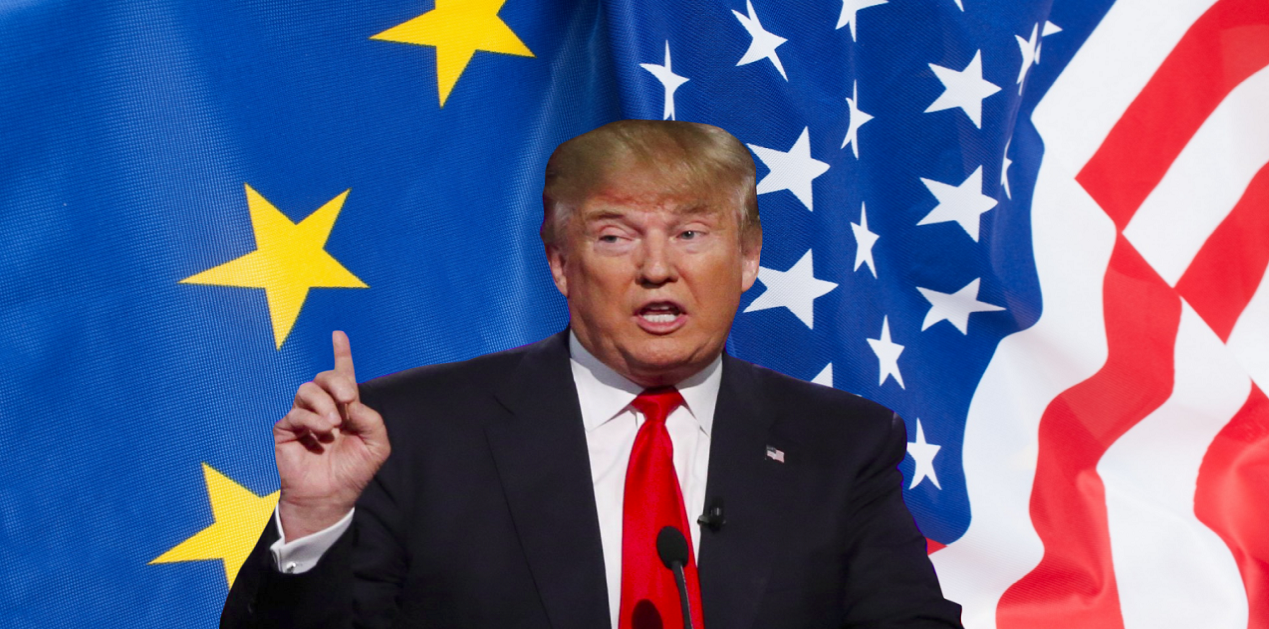
- Trump warns NATO could face a “very bad” future if allies do not help reopen the Strait of Hormuz and secure oil flows amid the Iran war.
- He accuses several NATO members of treating the alliance as a “one-way street” and says the US “no longer needs or wants” their help in Iran operations.
- European leaders, facing energy shocks and domestic pressure, are wary of being drawn directly into the conflict and prefer diplomacy and sanctions over combat missions.
A fresh transatlantic storm is brewing as US President Donald Trump publicly tears into NATO allies and European partner countries over what he calls their weak stance and poor burden‑sharing in the Iran war, even as the conflict sends energy prices soaring and strains global supply chains.
Trump’s comments—ranging from warnings of a “very bad” future for NATO to claims that Washington “no longer needs or wants” allied support—have dominated international headlines and exposed deep divisions over how far Europe should go in backing US‑led operations against Iran.
‘Very Bad Future’ for NATO
In an interview with the Financial Times, widely quoted by global media, Trump warned that NATO as an alliance could face a “very bad” future if member states refuse to assist the US in reopening the Strait of Hormuz, the critical oil corridor largely closed by Iranian actions.
He argued that countries which benefit most from Gulf oil, especially in Europe and Asia, should contribute warships, minesweepers and forces to “knock out bad actors” along the Iranian shore, saying it was only appropriate that “beneficiaries of the Strait help to make sure that nothing bad happens there.”
Trump linked his demand to past US support for Europe in the Ukraine war, suggesting that Washington had been “very sweet” to its allies and now wanted to see if they would reciprocate when American interests were at stake in the Gulf.
‘One-Way Street’: Trump’s NATO Broadside
In separate remarks reported by multiple outlets, Trump described NATO as a “one‑way street” where the US spends “hundreds of billions of dollars every year” to protect countries that are now unwilling to join its military operation against what he calls the “terrorist Iranian regime.”
He said most NATO allies had informed Washington that they did not want to get involved in the current campaign against Iran, and that he was “not surprised” given his longstanding view that the alliance is unfair to American taxpayers.
“We will protect them, but they will do nothing for us, especially at a time of need,” Trump complained, presenting the Iran conflict as proof that his earlier criticism of NATO burden‑sharing had been justified.
Targeting European Leaders by Name
Beyond general criticisms, Trump has aimed personal barbs at specific European leaders. During Oval Office meetings and interviews, he derided UK Prime Minister Keir Starmer, saying “this is not Winston Churchill that we’re dealing with” after London declined a US request to use British bases in the Chagos Islands for potential Iran strikes.
He also threatened a full embargo on Spain while attacking Prime Minister Pedro Sánchez over Madrid’s opposition to US military actions, language that has alarmed European diplomats who fear trade and sanctions disputes being layered on top of the security crisis.
European media describe the tone as one of the harshest public critiques of European allies by a sitting US president during an active war, reviving memories of earlier Trump–Europe clashes over defence spending and trade.
Europe’s Reluctance: ‘We Deal With the Effects’
On the other side of the Atlantic, European governments are grappling with the economic fallout of the US‑Israel strikes on Iran—sky‑high oil and gas prices, inflation pressures and renewed fears about refugee flows and terrorist threats—while trying to avoid being dragged into a direct shooting war.
Commentaries from European outlets note that EU leaders had only “minutes” of advance notice before the initial US‑Israel strikes, and now find themselves dealing with the political and economic costs of a conflict they did not initiate.
One EU diplomat, quoted in analysis pieces, lamented that Europe had little say over the war’s start but must now handle the consequences “from home heating to petrol for the car,” even as governments conduct fuel‑price inspections and warn against profiteering.
EU Ministers Cool to Hormuz Mission
At a recent meeting of EU foreign ministers in Brussels, Trump’s pressure for help guarding the Strait of Hormuz was a major agenda item, but several countries signalled reluctance to place NATO in the lead role or to dispatch combat ships under US command.
European officials fear that visibly aligning under a US‑driven naval coalition could further inflame tensions with Iran, complicate diplomacy and weaken Europe’s ability to act as a mediator between Washington and Tehran.
Instead, EU capitals are leaning on sanctions, energy‑market measures and humanitarian diplomacy, while quietly boosting air defences and internal security as insurance against spillovers from the conflict.
‘We Don’t Need Anyone’s Help’
Even as he berates NATO allies, Trump has also argued that the US can fight the Iran campaign alone if necessary, declaring in one recent statement that Washington “no longer needs or wants” allied support and “never did.”
In one broadside, he extended this dismissal beyond Europe, saying the same applied to partners such as Japan, Australia and South Korea—a message that underscores his preference for a highly unilateral approach to major conflicts.
At the same time, his allies in Washington, including Senator Lindsey Graham, have said Trump is “furious” with Europe’s reluctance to provide resources for securing the Strait of Hormuz, highlighting an internal contradiction between claims of self‑reliance and demands for burden‑sharing.
Energy Shock and Russia’s Advantage
The quarrel over burden‑sharing is playing out against a severe energy shock in Europe, where households and industries face soaring bills as the Iran war and Hormuz blockade squeeze global oil and gas flows.
Analysts warn that higher fossil‑fuel prices also benefit Russia, which can earn more from oil exports and use the windfall to finance its war in Ukraine—exactly what many EU states had hoped to avoid.
For many European governments, that makes the idea of deeper military involvement in Trump’s Iran campaign even more politically sensitive, as voters already blame rising costs on earlier conflicts and sanctions.
Alliance Cohesion Under Strain
Security analysts say Trump’s rhetoric risks eroding NATO cohesion at a time when the alliance is already stretched by the Ukraine war, debates over China and internal disputes about defence spending and industrial policy.
While many governments still support the core US goal of preventing Iran from acquiring nuclear weapons and curbing its regional activities, they are wary of endorsing open‑ended military campaigns without clear legal mandates or exit strategies.
Diplomats caution that repeated public attacks on allies may strengthen domestic critics of NATO inside Europe and fuel calls for greater “strategic autonomy,” deepening the very burden‑sharing disputes Trump says he wants to resolve.
What Next for US–Europe Ties?
For now, there is little sign that major European militaries—such as those of Germany, France or the UK—are ready to send substantial combat forces to join US operations against Iran, beyond intelligence‑sharing and limited naval presence.
Some leaders, like Britain’s Keir Starmer, have indicated openness to a broader coalition that includes Gulf partners and the US to help reopen Hormuz, but are cautious about framing it as a formal NATO mission answerable to Washington.
As the Iran war grinds on, much will depend on whether Trump continues to escalate his public criticism or whether quiet diplomacy can find a formula where European states contribute in ways that match their domestic constraints, without blowing up the alliance from within.
Tags:
Like and Follow State Correspondents Facebook Page Latest International News Iran US War Subscribe for alerts© 2026 State Correspondents. All rights reserved.