



PM Modi Begins Three‑Nation Visit To Jordan, Ethiopia And Oman To Boost Trade And Regional Security
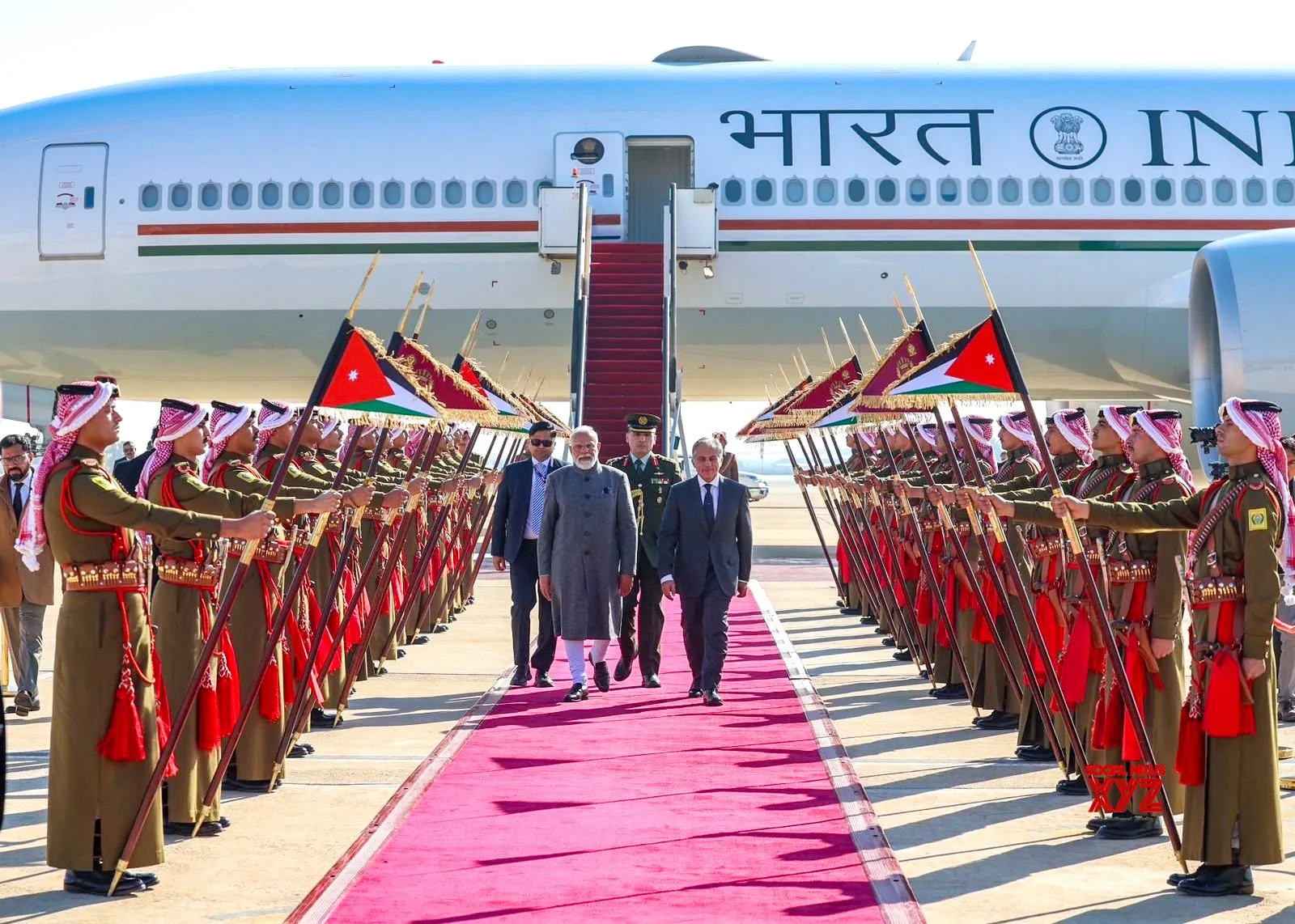
Prime Minister Narendra Modi has embarked on a strategic three‑nation tour covering Jordan, Ethiopia and Oman between 15 and 18 December, as New Delhi looks to expand its “Link West” outreach and deepen ties with key partners in West Asia and Africa. The visit begins in Jordan, continues with a state visit to Ethiopia and concludes in Oman, with a packed agenda focused on trade, connectivity, security cooperation and regional stability.
Jordan: Marking 75 Years Of Diplomatic Ties
Modi’s first stop is the Hashemite Kingdom of Jordan, where he is on a bilateral visit from 15–16 December at the invitation of King Abdullah II bin Al Hussein.[web:220][web:228][web:231] The trip coincides with the 75th anniversary of India–Jordan diplomatic relations and is described by the Ministry of External Affairs (MEA) as the Prime Minister’s first full‑fledged bilateral visit to the country in this millennium.
During his stay, Modi and King Abdullah are scheduled to hold wide‑ranging talks on political cooperation, counter‑terrorism, regional security, fertiliser and energy partnerships, and new trade opportunities. The Prime Minister will also address an India–Jordan business event and interact with the large Indian community, underlining Jordan’s importance as India’s fourth‑largest trading partner in West Asia with strong ties in fertilisers, textiles and services.
Ethiopia: Expanding India’s Africa Footprint
From Jordan, Modi will travel to Ethiopia on 16–17 December for his first visit to the Federal Democratic Republic of Ethiopia at the invitation of Prime Minister Abiy Ahmed Ali. The two leaders are expected to review cooperation in trade, investment, agriculture, pharma, digital public infrastructure, capacity‑building, education and defence, as Ethiopia seeks partners for reconstruction and growth after internal conflict.
India already supports several development projects in Ethiopia, including lines of credit, agriculture and IT initiatives, scholarships and training programmes, and sees Addis Ababa—home of the African Union—as central to its broader Africa policy and Global South outreach. Officials say the visit will reaffirm India’s commitment to Africa’s priorities under Agenda 2063 and explore ways to address trade imbalances and boost private‑sector investment.
Oman: Trade Pact And Strategic Partnership
The final leg of the tour will take Modi to Oman from 17–18 December, where he will hold talks with Sultan Haitham bin Tarik in Muscat as part of a long‑standing strategic partnership in the Gulf. India and Oman are working towards an India–Oman Comprehensive Economic Partnership Agreement (CEPA), and officials have indicated that negotiations are at an advanced stage, with hopes of major progress or even a conclusion around the visit.
Bilateral trade between India and Oman already exceeds 10 billion dollars annually, dominated by energy, petrochemicals and chemicals on one side and engineering goods, minerals and food products on the other. The agenda in Muscat is expected to cover energy security, maritime cooperation in the western Indian Ocean, defence ties, supply‑chain resilience and opportunities for Indian companies in Oman’s ports, logistics and industrial projects.
Strategic Significance Of The Three‑Nation Tour
Diplomats describe the tour as part of India’s effort to build “corridors, not camps”, by strengthening economic and security linkages with moderate partners that straddle key sea lanes and regional organisations.Jordan’s role in West Asian diplomacy, Ethiopia’s standing in the African Union and Oman’s position astride the Arabian Sea and Gulf shipping routes together give India more options for trade, energy and connectivity beyond traditional alignments.
As global power competition intensifies, New Delhi hopes the visit will reaffirm India’s image as a stable development‑oriented partner, expand markets for Indian exporters and technology, and deepen cooperation on counter‑terrorism and maritime security across the extended neighbourhood.