
NATIONAL POLITICS / PARLIAMENT DESK
Monsoon Session Commences Under Tensions as Opposition Corners Government on Paper Leaks & Landmark Vande Mataram Bill
With 19 sittings scheduled through August 13, the Centre pushes an aggressive eight-bill legislative agenda while facing intense pushback over competitive examination leaks, regional development demands, and national security matters.

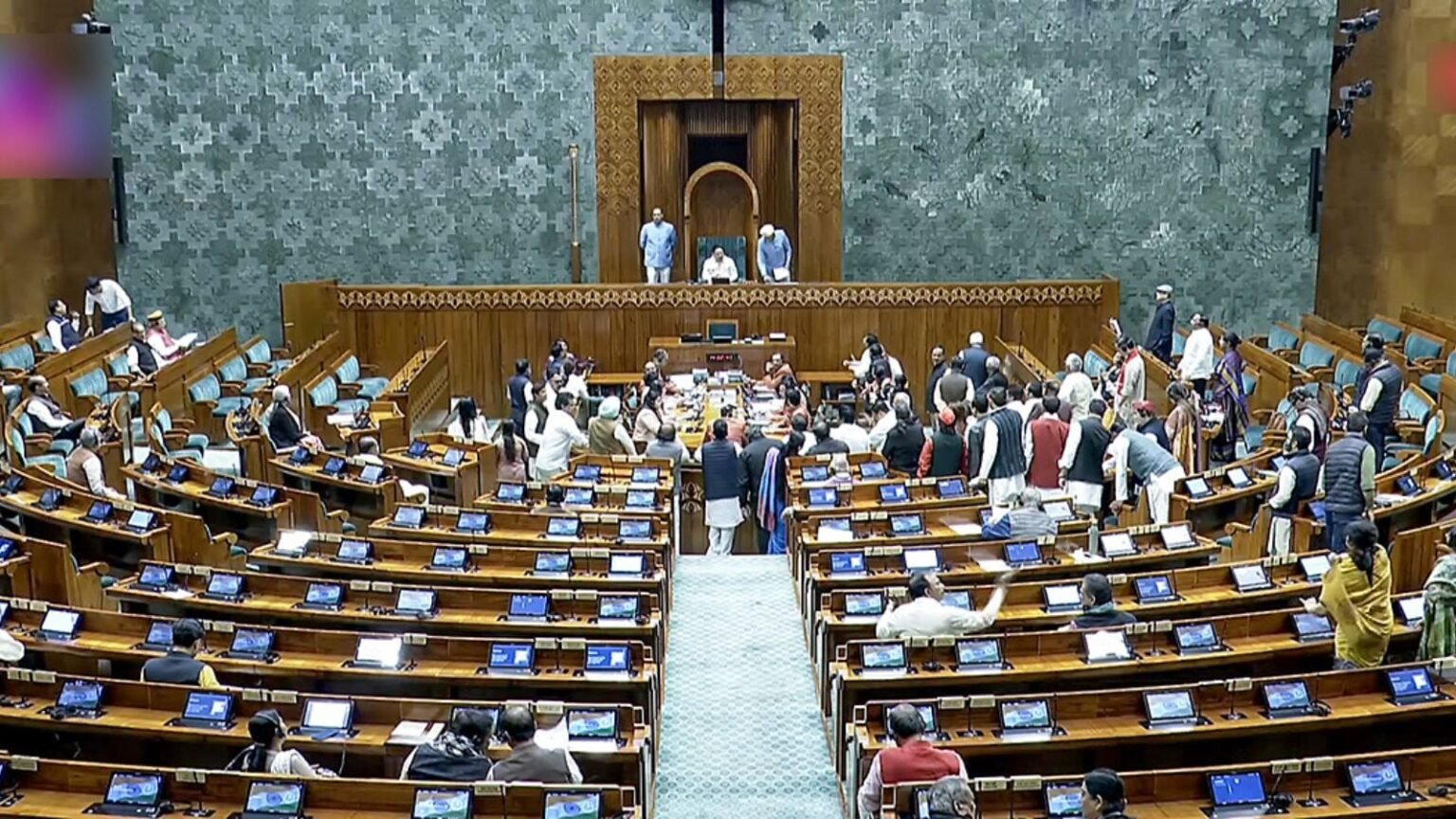
NEW DELHI — Parliament’s Monsoon Session 2026 opened on a turbulent note today as lawmakers convened for a 25-day legislative period encompassing 19 sittings. While the government led by Prime Minister Narendra Modi has outlined an expansive portfolio of eight primary legislations, Opposition parties led by the INDIA bloc have coordinated to corner the administration over the NEET-UG paper leak controversy, institutional accountability, and regional stability concerns.
Addressing media representatives outside Hans Dwar prior to the commencement of proceedings, Prime Minister Modi emphasized the imperative for a constructive legislative environment. He noted that despite global volatility and West Asia conflict pressures, India’s economic momentum remains resilient, calling upon all parliamentary members to prioritize public welfare topics over persistent disruptions.
Statutory Legal Protections Introduced for National Song ‘Vande Mataram’
At the forefront of day-one legislative proceedings, Union Home Minister Amit Shah is introducing the Prevention of Insults to National Honour (Amendment) Bill, 2026 in the Rajya Sabha. The landmark bill seeks to amend the existing 1971 statute—which currently penalizes disrespect toward the National Flag, the Constitution, and the National Anthem—by formally according statutory protection to India’s National Song, Vande Mataram.
Under the provisions of the amended bill, any intentional act of obstruction, insult, or public disrespect shown toward Vande Mataram during its performance will constitute a punishable criminal offence carrying up to three years of imprisonment, monetary fines, or both.

Stormy Start Expected Over NEET Paper Leak & Regional Issues
Despite the government’s stated legislative agenda, both Houses witnessed early friction as Opposition leaders submitted multiple Suspension of Business notices seeking immediate debate on nationwide competitive examination irregularities. The ongoing aftermath of the NEET-UG paper leak scandal continues to trigger protests, with student organizations and Opposition alliance members demanding strict oversight measures and institutional reform in national testing bodies.
Concurrently, regional development demands have intensified. High-profile representations regarding statehood restoration in Jammu & Kashmir, alongside ecological and administrative safeguards in Ladakh raised by climate activist Sonam Wangchuk, formed major focal points outside Parliament doors at Jantar Mantar.
Key Bills Listed for Consideration (Monsoon Session 2026)
| Bill Name | Introducing Ministry | Primary Objective |
|---|---|---|
| Prevention of Insults to National Honour (Amendment) Bill, 2026 | Ministry of Home Affairs | Criminalizes insult or obstruction to ‘Vande Mataram’. |
| Foreign Contribution (Regulation) Amendment Bill, 2026 | Ministry of Home Affairs | Strengthens transparency guidelines for foreign funding received by organizations. |
| Supreme Court (Number of Judges) Amendment Bill, 2026 | Ministry of Law & Justice | Increases sanctioned Supreme Court judicial bench strength from 33 to 37. |
| Income Tax (Amendment) Bill, 2026 | Ministry of Finance | Reforms compliance framework and extends exemptions to foreign institutional investments. |
“We appeal to all political parties for cooperation so that public concerns can be debated constructively without perpetual gridlock during this crucial session,” stated Parliamentary Affairs Minister Kiren Rijiju following the Business Advisory Committee meeting.
Outlook for the Session
With Parliamentary proceedings scheduled to run through August 13, observers anticipate heated deliberations over both security and socio-economic fronts. The coming days will test whether floor managers can balance high-stakes legislative business alongside the Opposition’s insistence on comprehensive discussions regarding statehood, examination integrity, and regional welfare.