


Supreme Court Raps Pre-Election Freebies: States Draining Funds, Hampering Development
By State Correspondents News Desk | February 19, 2026 |
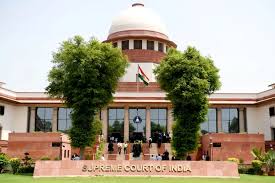
The Supreme Court of India delivered a stern rebuke against the rampant culture of pre-election freebies, declaring that such populist giveaways by cash-strapped states leave no resources for essential development projects. A bench led by Chief Justice Surya Kant questioned why governments prioritize short-term voter appeasement over sustainable growth, spotlighting schemes like last-minute free electricity in Tamil Nadu.
Bench’s Sharp Observations on Fiscal Irresponsibility
“Most states are revenue-deficit yet shower freebies, overlooking infrastructure,” the bench of Justices Surya Kant, Joymalya Bagchi, and Vipul M Pancholi observed during a hearing on cash transfer schemes. They warned that indiscriminate distributions—free food, cycles, electricity—erode work ethic and fiscal health, asking, “Who will work if everything is handed out?”
The court specifically grilled Tamil Nadu over its abrupt free-electricity announcement post-tariff notification, labeling it an “appeasing policy” without distinguishing between the needy and affluent. This, they argued, burdens taxpayers and starves long-term projects like roads, schools, and hospitals.
Why Freebies Threaten National Progress
Freebies strike at democracy’s core by distorting elections and economics. Revenue-deficit states borrow heavily to fund promises, inflating debt and crowding out investments in health, education, and jobs. The SC stressed creating employment avenues over handouts, fostering self-reliance.
Historical precedents abound: Karnataka’s 2023 guarantees, Maharashtra’s Ladki Bahin—voter magnets that spiked deficits without proportional growth. Punjab and J&K, grappling with security and agrarian woes, face amplified risks as free power and cash siphon funds from irrigation and youth skilling.
Regional Fallout: Punjab and J&K in the Crosshairs
In Punjab, ongoing free electricity for farmers (over 90% coverage) has drained Rs 15,000 crore annually, delaying canal projects vital for Ludhiana’s agri-economy. J&K’s post-Article 370 subsidies, including rice at Rs 9/kg, mirror national trends, diverting from tourism infra.
Experts warn: Without reforms, these states risk bankruptcy amid climate challenges. SC’s call for policy over populism resonates here, urging AAP and NC-led governments to pivot to skill hubs and green energy.
Pending Petitions and Election Commission Role
Multiple pleas seek a total ban on freebies, arguing they violate constitutional purity and RPA provisions. The SC has issued notices to Centre and EC for guidelines, echoing 2013 directives. Advocate Ashwini Upadhyay’s suit demands transparency on funding and post-poll delivery.
EC’s Model Code lacks teeth on manifestos; SC urged enforceable curbs to level the field. Tamil Nadu defended as welfare, but bench retorted: “Plan ahead, not react to polls.”
Political Reactions and Broader Debate
Opposition decried judicial overreach; BJP hailed fiscal prudence. Economists like Arvind Subramanian note freebies crowd out capex by 20-30% in states. IMF echoes: Populist spending risks rating downgrades.
Yet, proponents argue targeted aid aids equity. SC countered: True welfare integrates via jobs, not dependency. For India’s 1.4 billion, balancing equity and efficiency is paramount.
Way Forward: Reforms for Sustainable Politics
SC may mandate fiscal impact disclosures in manifestos, EC audits, and debt ceilings for promises. States like Gujarat’s model—targeted schemes with growth linkages—offer blueprints. Punjab could link farm aid to water-saving tech; J&K to startup grants.
As polls loom in multiple states, this ruling signals a shift. Voters must demand accountability over allure, ensuring promises fuel progress, not peril.
Tags: #SCFreebies #ElectionFreebies #PunjabPolitics #JandKNews #FiscalReform