



Nationwide LPG Jitters: PM Modi Assures Uninterrupted LPG, CNG, PNG Supplies Amid West Asia Tensions

Amid growing fears of an LPG shortage in India triggered by the escalating conflict in West Asia, Prime Minister Narendra Modi has assured that supplies of LPG, CNG and PNG to Indian households must not be disrupted and directed ministries to stay on high alert to tackle any challenge.
Key Highlights
- PM Modi told the Cabinet that LPG, CNG and PNG supplies to citizens must remain uninterrupted and asked ministries to prepare for worst‑case scenarios.
- The Centre has invoked gas‑supply regulations to give top priority to LPG production and domestic PNG and CNG, even if that means curbing allocations to some industries.
- Commercial LPG supplies to hotels and restaurants have been sharply curtailed in several cities, forcing many establishments to cut menus or plan shutdowns.
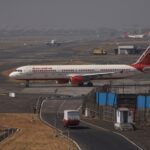
- Air India has announced a phased fuel surcharge on domestic and international routes as jet fuel prices spike due to the Iran‑US conflict in the Gulf region.
Cabinet message: No disruption to household fuel
In a Cabinet meeting held in New Delhi, PM Modi said that the supply of LPG, CNG and PNG should not be allowed to get affected despite turbulence in global energy routes, and asked all ministries to be fully prepared for any possible disruption linked to the West Asia crisis.
According to officials briefed on the deliberations, ministers were told to keep a close watch on the energy situation in their respective sectors, coordinate with stakeholders and ensure that the impact of the Middle East conflict on ordinary citizens remains as limited as possible.
The Prime Minister emphasised that there is currently no shortage of LPG in the country and that stocks are adequate, urging people not to panic or hoard cylinders even as global headlines speak of supply disruptions.
How the Middle East conflict squeezed India’s LPG
India imports a significant share of its LPG and liquefied natural gas requirements through the Strait of Hormuz, a narrow but critical maritime chokepoint now hit by military strikes and heightened security risks because of the conflict involving Iran, the United States and Israel.
With tankers delayed or diverted, supplies of LPG components such as propane and butane have tightened, forcing oil marketing companies to ration commercial deliveries and focus their limited cargoes on domestic cooking gas and city‑gas networks.
The government has warned that some suppliers have already invoked force‑majeure clauses on long‑term LNG contracts because shipments through Hormuz cannot proceed normally, adding to uncertainty in India’s energy planning.
Priority for LPG, CNG, PNG under emergency gas order
To ring‑fence households and essential services, the Petroleum and Natural Gas Ministry has notified the Natural Gas (Supply Regulation) Order, 2026, using powers under the Essential Commodities framework to reallocate scarce gas.
Under the revised priority list, LPG production and supplies for domestic PNG and CNG networks have been placed at the very top, with a promise of 100 percent gas allocation based on the last six months’ average consumption, while sectors such as fertiliser, tea, manufacturing and other industries will receive reduced shares.
Officials also confirmed that gas allocations to petrochemical plants and some power units are being cut so that refineries and city‑gas distributors can divert more molecules into LPG cylinders and piped cooking gas lines for homes.
Commercial LPG hit: Restaurants and hotels feel the pain
While the Centre has pledged to shield domestic consumers, the brunt of the LPG crunch is being borne by the commercial segment, particularly restaurants, hotels, cloud kitchens and some small industries that depend heavily on LPG cylinders.
In cities such as Delhi, Mumbai, Bengaluru, Chennai, Hyderabad, Jaipur and Kolkata, restaurant associations report that commercial cylinder supplies have been halted or drastically reduced, pushing many outlets to trim operations and warning that thousands of eateries may have to shut temporarily if the squeeze continues.
Several state governments have confirmed that domestic bookings are now subject to a 21–25 day lock‑in period between refills to prevent hoarding and black‑marketing, an advisory that has further heightened public anxiety even as the Centre insists that household needs will be fully protected.
High‑level review with foreign and petroleum ministers
Ahead of the Cabinet and CCEA meetings, PM Modi held a separate huddle with Petroleum Minister Hardeep Singh Puri and External Affairs Minister S. Jaishankar to take stock of the evolving supply situation and India’s diplomatic options for securing alternate LNG routes and cargoes.
Jaishankar has also been in repeated contact with his Iranian counterpart in recent weeks, discussing the fallout of strikes in the region and their impact on energy flows, in what officials describe as part of New Delhi’s broader diplomatic effort to keep key supply channels open.
According to briefings shared with ministers, the government expects immediate bottlenecks in LPG to ease within a short window as new arrangements are worked out, though volatility in global fuel prices is likely to persist as long as fighting in West Asia continues.
Air India fuel surcharge: Another sign of energy stress
The pressure on India’s energy ecosystem is also visible in aviation, with Air India announcing a phased fuel surcharge on domestic and international tickets to offset a sharp rise in aviation turbine fuel prices linked to the Iran war and disruptions in the Gulf.
Under the first phase, passengers on domestic and SAARC routes will pay an additional ₹399 per ticket, while subsequent phases will raise surcharges on flights to West Asia, Southeast Asia, Africa and Far East destinations such as Hong Kong, Japan and South Korea.
The airline has said that existing tickets will not be repriced unless changes are made to travel plans, and has described the surcharge as a difficult but unavoidable step to keep flights commercially viable at a time when fuel can account for nearly 40 percent of operating costs.
What it means for households
For ordinary families, the government’s message is that there is no need to rush to book extra cylinders or stock up in panic, because policy decisions and priority allocations are specifically geared towards safeguarding domestic LPG and piped cooking gas.
However, consumers should be prepared for stricter refill rules, longer gaps between bookings and the possibility of minor delivery delays in some localities as distributors adjust to new rationing norms and verification checks designed to prevent diversion into the black market.
Experts also caution that if global crude and gas prices remain elevated for long, India may eventually have to revisit LPG subsidy structures or allow some pass‑through of higher input costs, although no such decision has been announced yet.
How businesses can cope
For restaurants, hotels and small industries, the immediate challenge is to stay afloat during a phase when commercial LPG allocations are being tightly controlled and in some places temporarily frozen so that households do not suffer.
Industry bodies are urging the Centre and oil companies to grant partial relief and are exploring alternative fuel options, from piped PNG connections where available to electricity‑based cooking and heating solutions, though switching energy sources is neither cheap nor quick for many smaller outlets.
A high‑level committee of three executive directors from the major oil marketing companies has been set up to examine special requests from commercial users who can demonstrate that uninterrupted LPG is critical to essential services, such as hospitals, educational institutions or key industrial processes.
The road ahead
India’s current LPG jitters underline how closely the country’s energy security is tied to geopolitical currents in the Gulf and how quickly disruptions in the Strait of Hormuz can ripple into kitchens, transport networks and commercial establishments across the country.
For now, the combination of emergency gas‑allocation orders, higher domestic LPG production and tight rationing of commercial supplies gives the government some room to keep cylinders reaching homes even as it navigates a volatile global market.
Much will depend on how long the conflict in West Asia lasts, whether alternative shipping routes and suppliers can be secured quickly and how effectively domestic stakeholders—from refineries to last‑mile distributors—implement the priority‑supply decisions taken in New Delhi.
FAQs on the LPG Situation
Tags:
Like and Follow State Correspondents Facebook Page Latest International News Iran US War Subscribe for alerts© 2026 State Correspondents. All rights reserved.