



NIA Raids Multiple Locations in Jammu & Kashmir Linked to Red Fort Blast Case
Srinagar/Jammu: The National Investigation Agency (NIA) mounted a fresh phase in its probe into last year’s deadly Red Fort car blast, conducting coordinated raids at multiple locations across Jammu and Kashmir on Monday, sources said. The operations, spanning districts including Srinagar, Baramulla, Kupwara, Handwara, Kulgam, Jammu and Ganderbal, are aimed at uncovering deeper terror‑funding channels and possible cross‑border links in the conspiracy that killed 11 people outside the historic monument in Delhi on November 10, 2025.
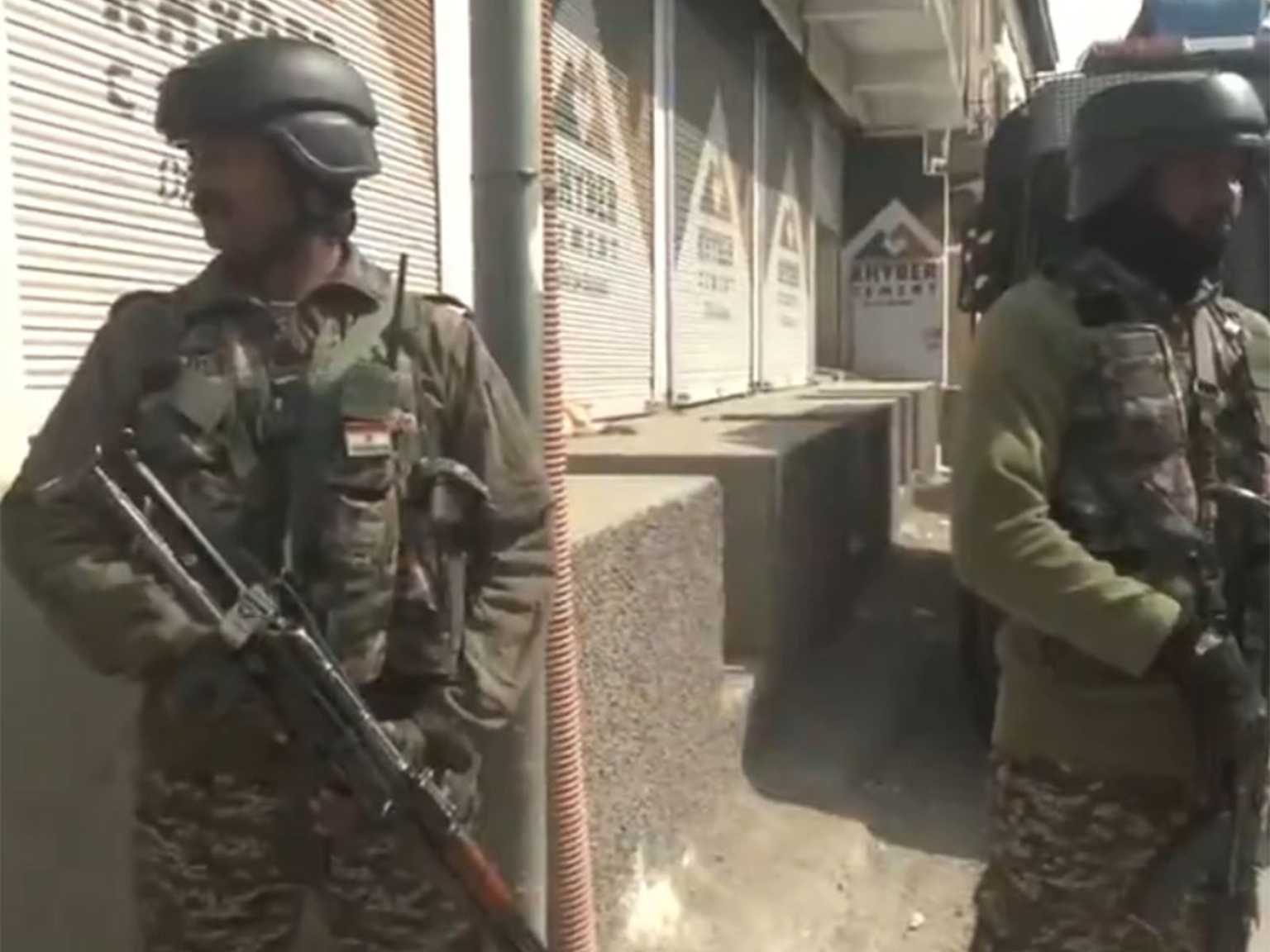
Photograph: NIA teams and security forces during a search operation in Jammu & Kashmir linked to the Red Fort blast investigation.
What the NIA raids targeted
According to agency briefings and media reports, the NIA conducted searches at nine locations in six districts of Jammu and Kashmir, including private residences, business premises and residential complexes in Handwara (Kupwara), Rafiabad (Baramulla), Kulgam, Srinagar, Jammu and Ganderbal. These are locations where several associates of the main conspirators are believed to have resided or operated.
During the raids, investigators seized a range of evidence, including mobile phones, laptops, external hard drives, documents and cash, all of which have been sent for forensic examination. The digital devices are being analysed for chats, banking trails and possible communication with foreign handlers, as part of the ongoing case registered under RC‑21/2025/NIA/DLI.
Red Fort blast: A recap of the terror attack
The Red Fort car blast occurred on the evening of November 10, 2025, when an explosives‑laden Hyundai i20 detonated near Gate No. 3 of the iconic monument, in a crowded area drawing tourists and locals. The improvised explosive device (IED), packed into the vehicle, caused massive damage and killed 11 people, while leaving several others injured.
Forensic findings later confirmed that the suicide bomber was Dr. Umer Un Nabi, a medical professional and assistant professor at Al Falah University in Faridabad, Haryana. NIA investigators have described him as the “chief architect” of the plot, having masterminded the operation along with a tightly knit network of associates across Haryana and Jammu and Kashmir.
Role of Jammu & Kashmir in the conspiracy
Over the months following the blast, the NIA has pieced together a complex web of support emanating from parts of Jammu and Kashmir. Besides the suicide bomber, the agency has arrested 11 individuals so far in connection with the case, including over‑ground workers (OGWs), logistics facilitators and ideological supporters.
Among the accused are figures such as Zameer Ahmad Ahangar of Ganderbal and Tufail Ahmad Bhat of Srinagar, who NIA alleges were involved in supplying weapons and operational support to the prime conspirator. The pulse of the investigation has repeatedly pointed towards the presence of a “white‑collar terror module”—professionals with high education and technical expertise—who allegedly used their societal cover to normalise radical ideology, recruit fresh cadres and plan logistics for terror strikes.
Focus on cross‑border terror links and funding
The current wave of raids in Jammu and Kashmir is part of a broader push to trace cross‑border links and terror‑funding channels that may have enabled the Red Fort attack. Investigators are examining whether parts of the network had contact with Pakistan‑based groups such as Jaish‑e‑Mohammed (JeM), which has been previously implicated in several high‑profile terror operations in India.
In addition to probing digital chatter and money‑transfer routes, NIA teams are scrutinising the activities of local sympathisers, hostel operators, travel agents and hospitality providers who may have facilitated the movement and concealment of foreign militants or their Indian cohorts. A separate FIR has already been registered against a hotel in Pahalgam over allegations that its staff concealed the stay of foreign nationals linked to the wider conspiracy.
Security forces coordination and local reactions
The raids were conducted in coordination with the Jammu and Kashmir Police and Central Reserve Police Force (CRPF), with security pickets and checkpoints tightened around targeted areas during the operations. In some localities, temporary traffic restrictions were imposed as teams moved from house to house, collecting material evidence and questioning witnesses.
Locally, the operations have sparked mixed reactions. While sections of civil society have welcomed the actions as a necessary step in uprooting terrorism, some residents have expressed concern over the prolonged use of raids and curbs on daily movement, especially in densely populated neighbourhoods. Community leaders have called for both firm counter‑terror action and greater transparency in the investigative process.
Legal and political context
The NIA has told a special court that the Red Fort blast case involves a highly structured conspiracy requiring meticulous planning and coordination across multiple states. The court has repeatedly extended the custody of key accused to allow the agency to trace the remaining links in the network and verify digital and documentary evidence.
Politically, the incident has reignited debate on border‑security and intelligence‑gathering mechanisms, with opposition parties demanding a detailed parliamentary review of the lapse that allowed such a sophisticated attack to materialise near a national icon. The government, however, has stressed that the probe is being conducted independently and that any further disclosures will be made only through official channels.
Why today’s raids matter for J&K
For Jammu and Kashmir, today’s NIA raids are significant not only because of their direct link to a high‑profile terror strike in the national capital, but also because they expose the persistence of dormant networks that exploit local logistics and sympathisers. Every seizure of weapons, cash or digital evidence in the region adds another layer to the understanding of how terror modules operate even in periods of relative calm.
The focus on terror‑funding channels is particularly relevant, as authorities attempt to choke the financial arteries that sustain radicalisation, recruitment, and training. By following the money trail—from bank accounts and hawala transactions to cryptocurrency‑linked activity—investigators hope to map the broader ecosystem that allowed the Red Fort attack to be planned and executed.
What’s next in the Red Fort blast probe?
An NIA official told reporters that the agency is continuing its efforts to “unravel the larger conspiracy” behind the Red Fort blast and to identify any remaining individuals who may have played a supporting role in the attack. The probe is likely to extend beyond Jammu and Kashmir to include financial institutions, transport networks, and digital‑platform intermediaries.
Legal experts expect that the case will eventually culminate in a detailed chargesheet outlining the hierarchy of the conspiracy, the roles of each accused, and the technical and logistical support that enabled the operation. The agency is also expected to seek international cooperation if any of the digital trails or communication channels point to foreign jurisdictions.
Impact on national security approach
The Red Fort blast and the subsequent NIA raids have prompted a recalibration of India’s counter‑terror strategy, especially in urban centres. Security agencies are now placing greater emphasis on intelligence‑led operations, digital forensics, and financial‑tracking mechanisms to intercept terror plots at an early stage, rather than merely responding after an attack.
In Jammu and Kashmir, authorities are also exploring the use of community‑based intelligence networks and youth‑outreach programmes to counter radical narratives that may be circulating in certain educational or professional circles. The goal, officials say, is to isolate terror modules from the broader social fabric while ensuring that lawful dissent and political discourse remain protected.
State Correspondents view
The Red Fort blast was not just an attack on a monument, but an assault on the collective sense of security in the national capital. The NIA’s decision to intensify its probe through targeted raids in Jammu and Kashmir underscores the seriousness with which authorities are treating both the operational and financial dimensions of the conspiracy.
As the investigation unfolds, it is crucial that the public receives accurate, timely information without sensationalism. At State Correspondents, we will continue to monitor every development in this case, providing readers with fact‑based coverage that respects the gravity of the issue while safeguarding the principles of free and responsible journalism.
Tags:
Like and Follow State Correspondents Facebook Page Latest International News Iran US War Subscribe for alerts© 2026 State Correspondents. All rights reserved.