




Iran Strikes Qatar’s Ras Laffan, Trump Threatens ‘Massive’ Response As Israel Kills Intel Chief
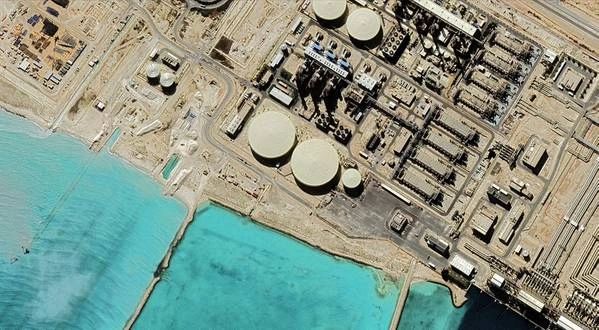
- Iran launches missiles at Qatar’s Ras Laffan LNG complex and other Gulf facilities after an Israeli strike on its South Pars gas field, sparking major fires and damage.
- Trump warns Tehran that any renewed attack on Qatar’s gas infrastructure will trigger US strikes to “massively blow up” the entire South Pars gas field.
- Israel says it has killed Iran’s intelligence minister Esmail Khatib in an overnight strike, the third senior Iranian official assassinated in as many days, further destabilising Tehran’s leadership.
The Iran–US–Israel conflict in West Asia has entered a far more dangerous phase, with Iranian missiles slamming into Qatar’s Ras Laffan gas hub and other Gulf energy sites in retaliation for an earlier attack on Iran’s South Pars gas field, even as Washington and Tel Aviv escalate their own threats and targeted killings.
Qatar and regional media reported “significant” or “extensive” damage and multiple fires at Ras Laffan, the world’s largest liquefied natural gas (LNG) processing centre, while US President Donald Trump vowed to “massively blow up” the South Pars field if Iran hits Qatari gas infrastructure again.
Iran Hits Ras Laffan After South Pars Strike
The latest flare‑up began when Israel struck installations at Iran’s vast South Pars gas field, which Tehran shares with Qatar, in what analysts described as one of the most dangerous escalations of the war so far because it directly targeted core fossil‑fuel production.
In response, Iran broadened its missile campaign to hit major energy facilities across the Gulf, including Qatar’s Ras Laffan Industrial City and sites in Saudi Arabia and the United Arab Emirates.
QatarEnergy, the state‑owned energy giant, confirmed that missile strikes on Ras Laffan caused “significant” or “extensive damage” and “sizeable fires” at several LNG facilities, though authorities later said all workers had been accounted for and that emergency teams had contained the blazes.
Gulf Allies Call Strikes ‘Dangerous Escalation’
Qatar’s foreign ministry condemned the Iranian attack as a “brutal” and “dangerous escalation,” calling it a blatant violation of sovereignty and a direct threat to its national security and to global energy supplies.
Saudi and Emirati officials issued parallel statements denouncing Iran’s targeting of energy infrastructure as reckless and warning that any repeat would force them to consider serious political and potentially military responses.
Trump Threatens to ‘Blow Up’ South Pars
Against this backdrop, President Trump took to social media and interviews with US outlets to distance Washington from the original Israeli strike on South Pars—claiming the US “knew nothing” about that operation—while issuing his own stark warning to Tehran.
He insisted that Qatar had no role in or prior knowledge of the South Pars attack, describing Iran’s retaliation against Ras Laffan as “unjustified” and “unfair” towards a US ally that shared the gas field but had not ordered the strike.
Trump then declared that if Iran attacks Qatar’s LNG infrastructure again, “the United States of America, with or without the help or consent of Israel, will massively blow up the entirety of the South Pars Gas Field at a level of strength and power that Iran has never seen.”
‘Death, Fire and Fury’ Over Strait of Hormuz
The latest threats build on earlier warnings in which Trump vowed to respond “twenty times harder” if Iran moves to stop oil flows through the Strait of Hormuz, promising devastating strikes that could make it “virtually impossible” for Iran to rebuild key infrastructure.
With tanker traffic already heavily disrupted, those comments have rattled global markets and reinforced fears that energy facilities and shipping lanes across the Gulf are now front‑line targets in a conflict entering its third week.
Israel Says It Killed Iran’s Intelligence Minister
Even as missiles rained down on energy hubs, Israel announced that it had killed Iran’s intelligence minister, Esmail Khatib, in an overnight strike—one of at least three senior Iranian officials reported assassinated in a 48‑hour period.
Israeli Defence Minister Israel Katz said Khatib was “eliminated overnight” in a targeted operation, portraying him as the architect of Iran’s global intelligence and covert‑operations network and accusing him of having “American blood on his hands.”
Commentators note that Khatib’s death follows earlier claims that Israel killed de facto leader Ali Larijani and senior Basij commander Gholam Reza Soleimani, further hollowing out Iran’s top leadership after Supreme Leader Ali Khamenei was reported killed on the first day of the war.
Tehran’s Leadership Under Pressure
Multiple assassinations in such a short window are widely seen as a deliberate attempt to destabilise Iran’s decision‑making structure just as it tries to coordinate responses to Israeli strikes, US threats and mounting domestic unrest.
Israeli officials have hinted that security forces will continue to hit high‑ranking Iranian and allied figures “across all arenas,” suggesting that Khatib’s killing is part of a broader campaign rather than a one‑off operation.
Iranian authorities have been more guarded, with limited public confirmation and state media focusing on calls for unity and promises of eventual retaliation, even as the military grapples with defending both homeland infrastructure and its network of regional allies.
Global Markets Roiled by Energy Strikes
Oil and gas markets reacted instantly to the twin shocks of Israel’s South Pars strike and Iran’s retaliation on Ras Laffan and other Gulf energy hubs, with Brent crude jumping above the 110‑dollar mark and European gas prices spiking sharply.
Analysts warn that repeated attacks on production fields, processing hubs and export terminals across the Gulf could trigger the largest energy disruption in recent history, overshadowing earlier crises linked to Russia’s war in Ukraine.
Asian stock markets have already come under pressure, with Japan’s Nikkei and other major indices sliding on fears of slower growth, higher inflation and further supply‑chain turmoil.
Gulf States Caught Between Iran and Allies
For Gulf Arab states like Qatar, Saudi Arabia and the UAE, the latest strikes underscore how quickly their critical energy assets can become bargaining chips—or collateral damage—in a conflict driven largely by US‑Iran and Israel‑Iran rivalries.
While these countries have condemned both Iran’s attacks and earlier Israeli strikes on energy infrastructure, they are also under pressure from Washington to align more closely with US strategy on Iran, even as they try to avoid open war on their soil.
Strait of Hormuz Still a Flashpoint
All of this is playing out against continuing disruption in the Strait of Hormuz, where Iranian threats, attacks and insurance withdrawals have left many tankers stranded or forced to take longer, costlier routes, deepening the global energy crunch.
Trump’s “death, fire and fury” warnings over any attempt by Tehran to further choke the waterway underline how quickly the crisis could expand from targeted strikes on fixed facilities to a broader confrontation at sea involving multiple navies and commercial fleets.
War Enters Third Week With No Exit in Sight
Nearly three weeks into the conflict, diplomats see few credible off‑ramps: Iran is demanding an end to strikes on its territory and energy sector, Israel vows to keep hitting senior Iranian and allied figures, and Trump is publicly raising the stakes with threats against some of Iran’s most valuable assets.
International calls for de‑escalation—from the United Nations, European capitals and Asian energy importers—have so far produced little more than statements of concern, as all sides calculate that backing down too early could be read as weakness.
For now, the picture is one of burning gas terminals, assassinated officials and warships on high alert—signs that the Iran war is moving deeper into the heart of the global energy system, with consequences that will be felt far beyond the Gulf.
Tags:
Like and Follow State Correspondents Facebook Page Latest International News Iran US War Subscribe for alerts© 2026 State Correspondents. All rights reserved.