




Why OPD, Diagnostics and Preventive Care Are Moving from Add-Ons to Essentials in Health Insurance
Updated: March 21, 2026
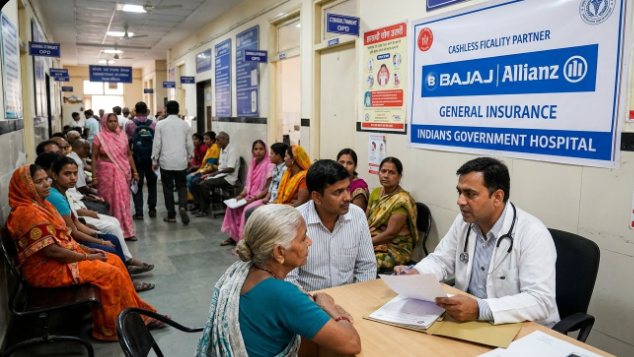
OPD or Outpatient Department spending in India is massive and reached $37.7 billion in FY24. Yet OPD insurance penetration remains below 0.1%, showing a huge demand-supply mismatch. Hence, it is imperative to be better protected by opting for a comprehensive health insurance that covers the expenses related to OPD and diagnostics, now more than ever. These types of coverages in a health insurance policy are beneficial as most minor health problems do not require hospitalisation and can be easily treated with a doctor consultation, prescribed diagnostics and subsequent medication.
Over 90% of urban Indians spend ₹10,000+ annually on consultations, diagnostics, pharmacy & vision care. Hence, due to the rising medical costs, many people are opting for comprehensive health insurance policies that have OPD and diagnostics benefits instead of opting for them separately as an add-on. These benefits are important for preventive health check-ups and must be a part of your health insurance policy to ensure reduced OOPE and early detection of diseases.
OPD and Preventive Health Cover, and How It Helps
OPD plan covers doctor consultations, diagnostic tests, pharmacy expenses, expenses for minor surgeries or treatments that do not require hospitalisation, and even physiotherapy. Some OPD benefits can be availed on a cashless basis, but this facility is restricted to the insurer’s network of clinics, diagnostic centres, pharmacies, and hospitals. This means you don’t have to pay upfront at these designated facilities, as the expenses are settled directly between the provider and the insurer.
Many insurance policies also have an integrated preventive health cover that encourages screening and check-ups, which allow you to catch any diseases in their early stage. From ensuring that the blood pressure stays in check to monitoring for diseases like diabetes and cancer, early diagnosis helps in taking action at the earliest, which increases the chances of a better recovery.
Diagnostic tests, like Blood Tests, X-rays, and MRIs, cost a significant amount of money and having OPD benefits ensures that the diagnostic tests recommended by your doctor are covered. In India, branded drugs can cost significantly more than generic medicines, especially in cardiology, respiratory, and diabetes segments. Hence, it can be quite a bit of a financial burden if it is paid out- of-pocket. If your health insurance covers OPD, then prescribed pharmacy expenses can be included in it. However, it must be noted that over-the-counter drugs that are not prescribed are not usually covered. OPD is beneficial for patients for long-term monitoring of chronic diseases like diabetes, hypertension, etc. This is especially beneficial for senior citizens, as with advanced age, they require special care and constant monitoring for their well-being.
Before opting for an OPD plan, you must be aware that it comes with the condition of a waiting period. The tenure of the waiting period differs from insurer to insurer. Moreover, you should read the policy wordings carefully to ensure that you are well aware of the sub-limits.
It is also important to note that even if the OPD cover leads to additional premiums, the benefits far outweigh the loss. Health premiums are exempted from tax, and people can claim the advantage by claiming it under Section 80D under the old regime of Income Tax.
Ultimately, OPD coverage in health insurance is a win-win solution as it reduces the financial burden of routine medical expenses and also plays a vital role in strengthening preventive care. Approximately 20–35% of all unplanned hospitalisations are thought to be avoidable if complications are handled well in primary care. Regular OPD utilisation reduces major hospitalisation events, driving both better outcomes and lower claim ratios for insurers. By covering medicine bills, diagnostic tests, and regular screenings, OPD plans encourage individuals to seek timely medical attention rather than postponing visits due to cost concerns.
When preventive care is affordable and widely used, households are less likely to face catastrophic spending during emergencies. In this way, OPD coverage becomes a cornerstone of both financial security and long-term well-being, ensuring that healthcare is not just reactive but truly preventive and sustainable.
Tags:
Like and Follow State Correspondents Facebook Page Latest International News Iran US War Subscribe for alerts© 2026 State Correspondents. All rights reserved.