



US-Iran Ceasefire: Trump Halts Strike Deadline as Strait of Hormuz Reopens in Massive Diplomatic Win
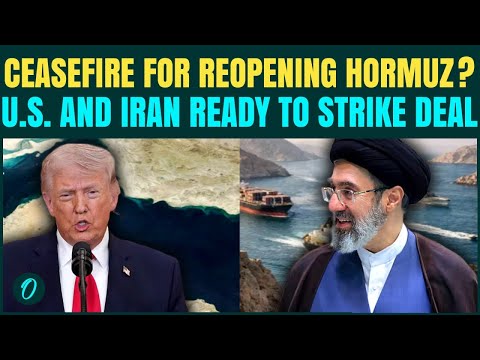
In a dramatic reversal that has sent shockwaves through global markets and capital cities, United States President Donald Trump has officially announced a two-week ceasefire with the Islamic Republic of Iran. The deal, brokered at the literal eleventh hour, comes just sixty minutes before a catastrophic deadline that would have seen the U.S. military target Iran’s civilian infrastructure, including power plants and bridges.
The agreement marks the most significant de-escalation in the month-long conflict that has pushed the world to the brink of a third World War. Central to the truce is Tehran’s immediate commitment to reopen the Strait of Hormuz, the world’s most critical maritime chokepoint for oil and gas, which had been effectively blockaded during the height of hostilities.
The 10-Point Peace Plan: What We Know
Sources close to the negotiations in Islamabad suggest that the ceasefire is built upon a “workable” 10-point plan submitted by Tehran through Pakistani mediators. While the full text remains classified, key pillars of the agreement include:
- Maritime Freedom: Safe and unhindered passage for all commercial vessels through the Strait of Hormuz under international monitoring.
- Suspension of Airstrikes: A total halt to U.S. and Israeli strikes on Iranian soil for a duration of 14 days.
- Pakistan-Led Dialogue: Formal high-level talks between U.S. and Iranian delegations are scheduled to begin this Friday in Islamabad.
- Sanctions Relief Discussion: A pathway to discuss the lifting of primary and secondary sanctions in exchange for permanent nuclear concessions.
A High-Stakes Gamble: Pre-Ceasefire Strikes
The road to this truce was paved with fire. Only 24 hours prior, U.S. forces conducted precision strikes on military installations on Kharg Island. Vice President JD Vance described those strikes as “tactical messaging,” emphasizing that the administration was prepared to escalate to “Power Plant Day” if the deadline passed without a proposal.
Simultaneously, the Israeli Defense Forces (IDF) had been engaged in a massive air campaign across mainland Iran, targeting missile silos and command centers in Tehran, Qom, and Tabriz. The ceasefire now places a temporary lid on this boiling pot, though Israel has clarified that its operations against Hezbollah in Lebanon remain independent of this specific truce.
The “Islamabad Connection”: Pakistan’s Crucial Role
Global leaders have credited Pakistan’s Prime Minister Shehbaz Sharif and the Pakistani military leadership for preventing a total regional meltdown. Acting as a bridge between Washington and Tehran, Pakistani diplomats worked through the night to refine the 10-point plan into something the Trump administration would find “workable.”
India’s Ministry of External Affairs (MEA) has welcomed the development, stating that “de-escalation and diplomacy are the only paths to lasting peace in West Asia,” noting that the stability of global energy supply chains is paramount for the Indian economy.
Economic Impact: Markets Breathe a Sigh of Relief
The announcement triggered an immediate rally in global stock markets. Brent crude prices, which had spiked toward $120 per barrel, saw a sharp correction as the threat of a prolonged blockade in the Strait of Hormuz receded. Investors are now cautiously optimistic, though analysts warn that the “fragility of the truce” means volatility will remain high until the Islamabad talks yield a permanent treaty.
Tags:
Like and Follow State Correspondents Facebook Page Latest International News Iran US War Subscribe for alerts© 2026 State Correspondents. All rights reserved.