




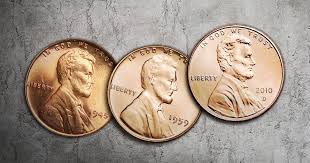
In a historic moment, the United States Mint has officially struck its final penny, bringing to a close more than 230 years of continuous penny production. This decision marks a significant change in the landscape of American currency and reflects evolving economic and practical considerations.
The penny, first introduced in 1793, has long been a staple in everyday transactions, but has increasingly become less practical due to production costs exceeding its monetary value. Over the decades, inflation and changing consumer habits have led to decreased usage and acceptance of the coin.
The Mint’s announcement follows extensive evaluations and debates regarding the penny’s relevance in the modern economy. Experts argue that discontinuing the penny could save taxpayers millions annually in production expenses while simplifying cash transactions.
Although the penny will no longer be minted, existing pennies will remain legal tender, and people can continue to use them in daily commerce. The move aligns the US with several other countries that have phased out their smallest denominations without major disruptions.
Collectors and historians recognize the penny as a cultural icon with sentimental value, representing aspects of American heritage and history. The end of its production invites reflection on the changing dynamics of money and the ongoing technological and economic shifts influencing currency systems worldwide.