




A Glimpse into Ancient Ocean Life
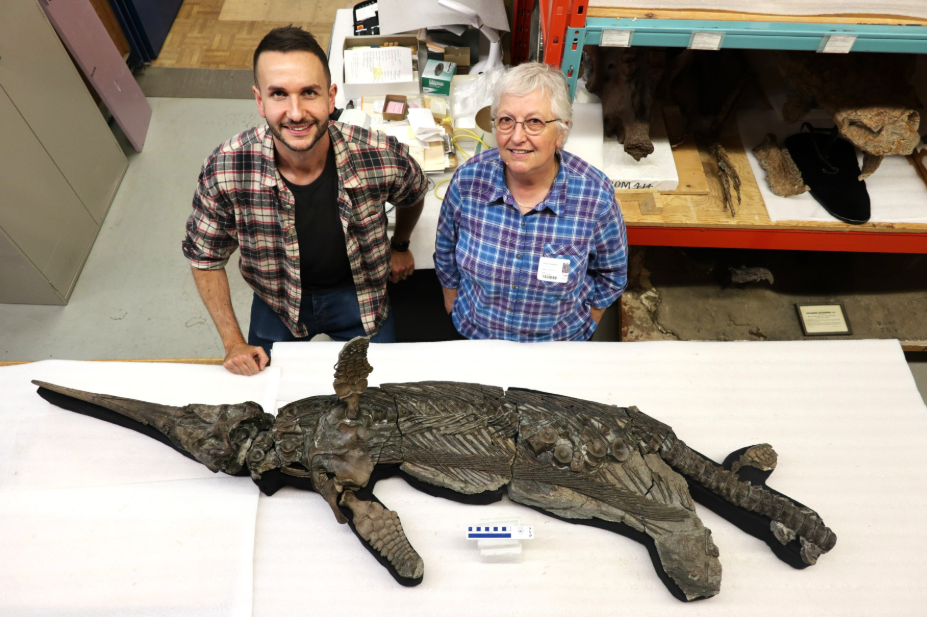
Paleontologists have unveiled a remarkable find from southern England—a previously unknown species of marine reptile dating back to the Jurassic period. Nicknamed the “sword dragon” due to its distinctive elongated jaw features, this aquatic creature adds valuable insight into the diverse prehistoric ecosystems that thrived over 150 million years ago.
Distinctive Features and Scientific Significance
The newly identified reptile exhibits a long, blade-like snout lined with sharp teeth, suggesting it was a skilled predator in its oceanic habitat. Fossil remnants, including skull fragments and vertebrae, were excavated from sedimentary rock formations rich with marine fossils. This discovery helps fill gaps in the evolutionary history of marine reptiles, highlighting adaptation strategies in the Jurassic seas.
Collaboration and Research Methods
The find is a result of international collaboration among paleontologists, utilizing advanced imaging and fossil dating techniques. Researchers employed CT scans to analyze the internal bone structure without damaging the rare specimen. This comprehensive approach has allowed scientists to reconstruct the creature’s anatomy with unprecedented accuracy.
Broader Impact on Paleontology
The sword dragon not only deepens our understanding of Jurassic marine biodiversity, but also inspires fresh investigations into marine reptile behavior and ecology. Its discovery invites reassessment of marine food webs and predator-prey relationships during a dynamic period of Earth’s history.
As scientists continue to explore, discoveries like this one provide a fascinating window into life in the ancient world, captivating both the scientific community and the public alike.