



PM Modi Holds Crucial Talks with UAE President: Safeguarding India’s Oil Lifeline Through Strait of Hormuz Amid West Asia Escalations
By State Correspondents News Desk | March 18, 2026
Key Highlights
-
>PM Modi condemns UAE attacks, stresses safe Hormuz navigation
>India imports 80%+ crude oil via Hormuz route, facing supply risks
>Diplomatic push for peace as West Asia war disrupts global energy flows
Diplomatic Outreach in Turbulent Times
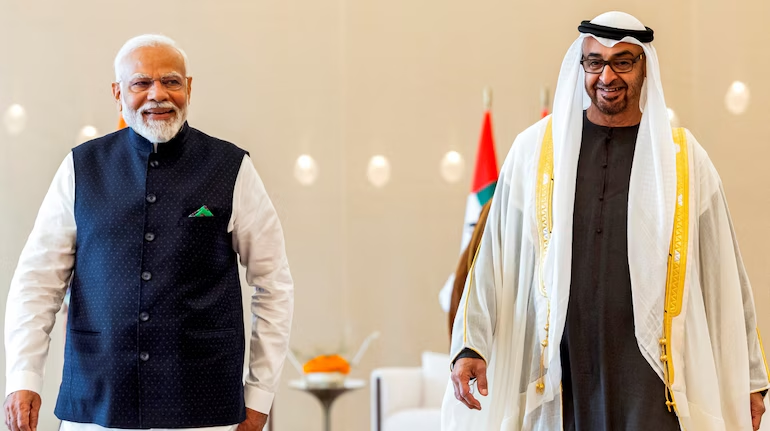
PM Narendra Modi engaged in a pivotal telephone conversation with UAE President Sheikh Mohamed bin Zayed Al Nahyan on March 17, 2026, marking the second such high-level dialogue since the West Asia conflict erupted on February 28. This strategic interaction underscores India’s proactive stance in mitigating risks to its energy security as tensions surge around the Strait of Hormuz. The leaders exchanged advance Eid greetings while zeroing in on the volatile regional landscape, with PM Modi firmly reiterating New Delhi’s condemnation of attacks on UAE soil that have claimed civilian lives and inflicted infrastructure damage.
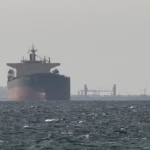
The conversation highlighted mutual commitment to uninterrupted navigation through the Strait of Hormuz, a chokepoint ferrying nearly 20% of global oil trade. For energy-hungry India, which relies on this route for over 80% of its crude imports, any blockade poses inflationary threats and supply chain disruptions. Both nations pledged continued collaboration for swift restoration of peace and stability, reflecting India’s balanced diplomacy amid the US-Israel-Iran imbroglio.
West Asia Conflict: Roots and Ripple Effects
The ongoing war, triggered by US-Israeli strikes on Iran starting February 28, has seen Tehran retaliate with drone assaults on Gulf energy assets, including UAE targets. Iranian drones have reportedly struck UAE infrastructure, prompting heightened alerts across the Arabian Gulf. Iran’s new Supreme Leader Ayatollah Mojtaba Khamenei has vowed to keep Hormuz closed as leverage, paralyzing shipments and spiking global crude prices.
India, importing bulk crude from Iraq, Saudi Arabia, and UAE via this 21-mile-wide strait, faces acute vulnerabilities. Government data reveals 22 Indian-flagged vessels, including 12 energy carriers (LPG, LNG, crude), stranded nearby. Diplomatic channels with Tehran secured passage for two LPG tankers, Shivalik and Nanda Devi, bound for Gujarat ports, but broader risks linger. External Affairs Minister S. Jaishankar’s talks with Iranian counterpart Seyed Abbas Araghchi complement PM Modi’s UAE outreach, showcasing multi-stakeholder engagement.
India’s Energy Security Imperative
With strategic petroleum reserves covering just weeks of demand, India is ramping up Russian imports and domestic LPG output to buffer shocks. The Petroleum Ministry has activated contingency plans, while fertilizer supplies—90% gas-dependent via Hormuz—raise additional red flags, potentially hiking urea costs by 20-25%. Economists warn of cascading inflation if disruptions persist beyond mid-March.
PM Modi’s “brother-to-brother” rapport with Sheikh Mohamed, forged through CEPA and investments exceeding $100 billion, positions UAE as a key ally. Past collaborations like the India-Middle East-Europe Corridor (IMEC) now gain urgency, offering Hormuz alternatives via pipelines and rail. This call signals India’s pivot from neutral observer to active peace broker.
Global Implications and India’s Balancing Act
Beyond bilateral ties, the dialogue resonates globally. With Hormuz handling 19 million barrels daily, closures have Brent crude hovering near $100/barrel, fueling market volatility. India’s neutral footing—condemning attacks sans naming Iran—preserves ties with Tehran for Chabahar port and cheaper oil, while aligning with Gulf partners.
Opposition voices praise the outreach but urge transparency on vessel statuses. Industry bodies like FICCI call for accelerated green energy transitions to reduce fossil dependencies. As Eid approaches, PM Modi’s greetings infuse humanism into realpolitik, potentially paving de-escalation paths.
Strategic Roadmap Ahead
Looking forward, India eyes diversified sourcing from Africa and Americas, alongside rupee-trade expansions with UAE. The March 17 call reinforces the 2019-2025 Comprehensive Strategic Partnership, with defense and tech pillars gaining traction. Analysts predict more Modi-led calls to regional peers, cementing India’s voice in global energy governance.
For State Correspondents readers in Jammu & Kashmir and beyond, this episode highlights how distant conflicts impact local fuel prices and livelihoods. India’s deft diplomacy ensures resilience, but sustained peace remains paramount.
Stay Updated with State Correspondents
Subscribe for real-time alerts on national diplomacy, energy news, and regional impacts. Share this story!
Tags:
Like and Follow State Correspondents Facebook Page Latest International News Iran US War Subscribe for alerts© 2026 State Correspondents. All rights reserved.