

Khamenei Shatters 37-Year Legacy: Supreme Leader Absent from Pivotal Air Force Ceremony Amid Trump’s Escalating Warnings
By State Correspondents News Desk | February 10, 2026
In an unprecedented move rippling through global security circles, Iran’s Supreme Leader Ayatollah Ali Khamenei has deviated from a sacrosanct 37-year tradition by absenting himself from the annual February 8 Air Force commanders’ meeting. This symbolic ritual, unbroken since Khamenei ascended to power in 1989—even amid the COVID-19 crisis—marks the anniversary of the 1979 Air Force officers’ allegiance to Ayatollah Ruhollah Khomeini, hastening the Shah’s downfall. The no-show, where Armed Forces Chief Abdolrahim Mousavi stepped in, unfolds against a powder-keg backdrop of US military reinforcements in the Gulf and President Donald Trump’s renewed nuclear ultimatums.
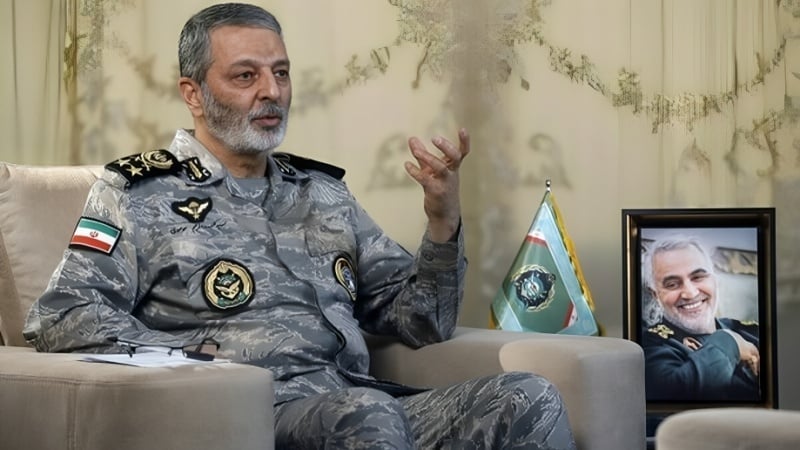
Armed Forces Chief Mousavi leads February 8 event sans Khamenei, fuelling speculation on Tehran’s security posture.
Historical Weight of the Ritual
February 8, 1979: Air Force personnel defected to revolutionaries, symbolising military-clerical unity. Khamenei’s consistent presence reinforced regime solidarity; this break signals potential vulnerability or strategic recalibration.
Trump’s Shadow: Threats & Buildup
The timing is no coincidence. US President Donald Trump, leveraging his 2025 reelection momentum, has intensified pressure post-stalled Oman nuclear parleys. On February 7, Trump warned Tehran of “dire repercussions” absent a deal, alluding to June 2025’s 12-day Israel-Iran clash where US strikes hit nuclear sites. Gulf deployments—warships, carriers, B-52s—bolster deterrence amid Iran’s proxy escalations via Houthis and Hezbollah.
“Iran knows the consequences if no deal materialises. Our forces are ready; Tehran must choose diplomacy over defiance.” – President Donald Trump, Feb 7, 2026
Khamenei’s evasion, analysts posit, averts high-value target exposure during peak alert. Whispers of internal health concerns swirl, though state media insists on “operational prudence.” Mousavi’s proxy role underscores contingency planning amid whispers of US precision capabilities.
Stalled Diplomacy: Oman Deadlock
Muscat talks crumbled without progress, despite Iranian Foreign Minister Abbas Araghchi’s overtures. Trump demands missile curbs alongside nukes; Tehran rejects, citing sovereignty. Post-2025 war, Natanz and Fordow repairs evade satellites, heightening suspicions. Khamenei’s ritual rupture amplifies perceptions of regime fragility, echoing 2025 protest crackdowns Trump decried as “sedition.”
- US Posture: USS Abraham Lincoln carrier group, destroyers, littoral ships in Arabian Sea.
- Iran Response: Missile drills, proxy activations; Khamenei vows “regional war” if struck.
- Global Stakes: Oil spikes 5%; Gulf allies bolster defences.
Symbolic Shifts & Speculations
The ceremony’s import transcended optics: annual Khamenei affirmations galvanised IRGC-Air Force synergy. Mousavi’s fill-in, praising “revolutionary vigilance,” masked unease. Exiles like Reza Pahlavi seize the moment, urging uprisings; Trump echoes “new leadership” calls from January.
Why Now? Key Theories
- Security: Fearing US strikes amid intel on Khamenei’s location.
- Health: 86-year-old leader’s undisclosed ailments resurface.
- Strategy: Delegating to signal distributed command amid threats.
- Message: Subtle defiance, prioritising shadows over pageantry.
Tehran downplays: “Routine adjustment,” per IRNA. Yet, IRGC parades intensify, broadcasting Khamenei holograms. Regional ripples: Saudi alerts, Israel mobilises Iron Dome.
Broader Ramifications: Brinkmanship or Bluff?
Trump’s calculus blends JCPOA revival bids with “maximum pressure 2.0.” Khamenei’s absence fuels narratives of a cornered regime, post-protest purges claiming thousands. Oman failure revives 2018 playbook: sanctions bite, proxies lash out.