



Fiery Parliament Clashes Over Budget 2026: Opposition Rails Against Farmer Shortfall, Job Crisis & ‘US-Tilted’ Economy
By State Correspondents News Desk | February 13, 2026 |
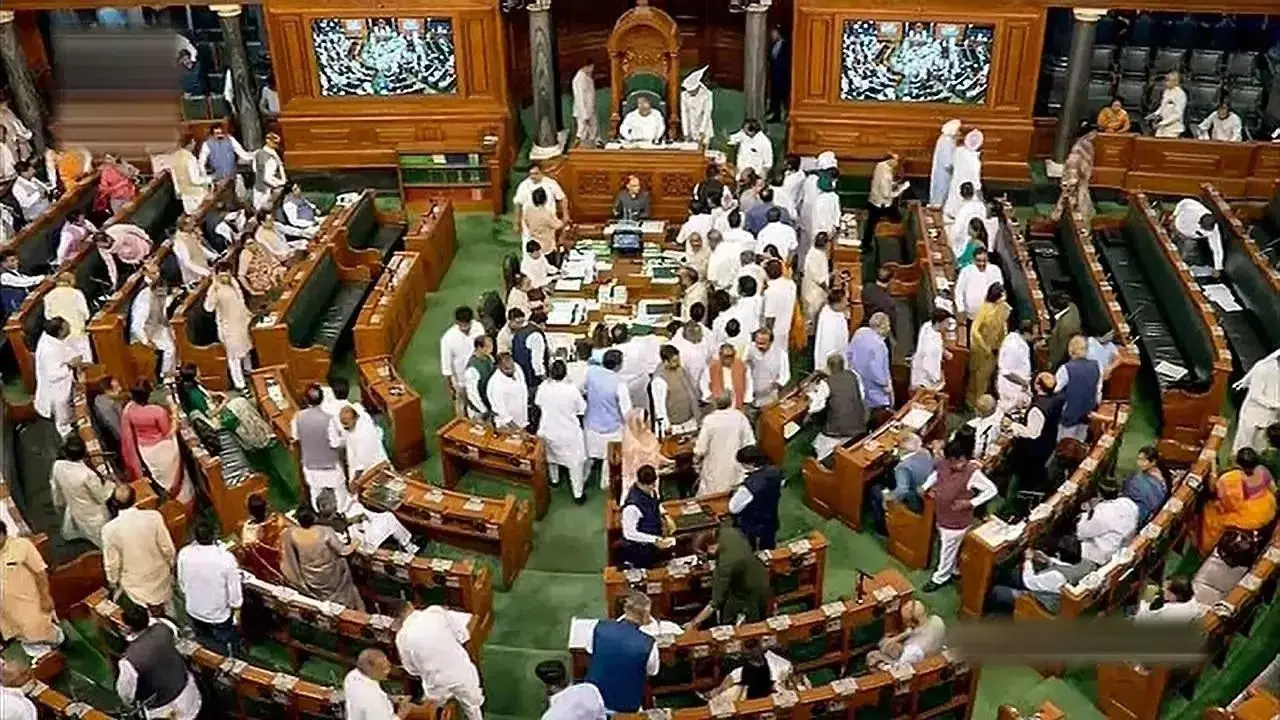
The Budget Session 2026 of Parliament has transformed into a battleground, with opposition leaders unleashing scathing critiques of Finance Minister Nirmala Sitharaman’s proposals, zeroing in on perceived snubs to farmers, soaring unemployment, and economic maneuvers favoring foreign interests. As Lok Sabha and Rajya Sabha debates stretch into their final days before sine die adjournment, Finance Minister Sitharaman mounted a robust defense, touting the Rs 12.2 lakh crore capex surge and agri-innovations as pathways to Viksit Bharat.
Allocations for agriculture rose modestly to Rs 1.63 lakh crore—a 7% uptick—spotlighting AI-driven Bharat Vistar, AgriStack, precision farming, and high-value crops like coconut and cashew. Yet, dissenters decry the absence of MSP legal guarantees, PM-Kisan hikes beyond Rs 6,000 annually, loan waivers, and robust crop insurance amid climate woes.
Opposition Firestorm: Farmers’ Plight Takes Center Stage
In Rajya Sabha, IUML’s Haris Beeran lamented,
“Substantial schemes for industrialists, but nothing for farmers.”JD(S) veteran H D Deve Gowda urged prioritizing dignified rural jobs over mere growth metrics, while TMC’s Saket Gokhale branded the Budget “personality-oriented, not policy-oriented,” ignoring youth aspirations.
Samyukt Kisan Morcha’s Rakesh Tikait labeled it “paper-based,” disconnected from ground realities where input costs devour incomes. Bharatiya Kisan Union (Chaduni) echoed, slamming the lack of debt relief for smallholders battered by volatility.
Economic Policies Under Siege: Unemployment & Trade Deals
Lok Sabha saw SP’s Akhilesh Yadav blast the India-US trade pact as a “dheel” (concession), warning of dairy imports undermining Sanatan fasting traditions and market floods harming farmers. Congress’s Rajeev Shukla deemed it “tilted towards America,” per economists.
Rahul Gandhi highlighted “weaponisation of finance and energy,” cautioning external pressures on oil choices, sparking adjournments. TMC and others decried poll-state neglect like Tamil Nadu and Kerala, demanding project specifics amid 7% growth claims masking job scarcity.
Government Retort: Visionary Roadmap Amid Global Chaos
Sitharaman, replying in both Houses, countered UPA-era frailties, spotlighting defense hikes to Rs 7.85 lakh crore (15% jump), IIT/IIM expansions, life-saving drug price cuts, and Bihar’s high-speed rail nod. Commerce Minister Piyush Goyal assured the US deal safeguards farmers.
BJP’s Sujeet Kumar praised university townships and girls’ hostels; Kavita Patidar hailed trade deals elevating India’s global heft. The 16th Finance Commission report, tabled alongside, pushes performance-based federalism, axing revenue deficit grants to spur reforms.
Broader Budget Blueprint: Infra, Tech & Fiscal Discipline
The Rs 48 lakh crore outlay charts a 12-year fiscal trajectory, with Rs 12.2 lakh crore capex fueling seven high-speed corridors, Semiconductor Mission 2.0, and Rs 10,000 crore Biopharma Shakti. Urban premiums, disaster frameworks, and AVGC’s “Orange Economy” target youth skilling.
Yet, states like Karnataka gripe over peripheral benefits from Bengaluru-Chennai rails, seeking Mumbai/Bengaluru links. PM Modi lauds it as bold Viksit blueprint; detractors call it a “missed opportunity” on inflation and equity.
Implications for Federalism & Rural Revival
Retaining 41% tax devolution sans RDGs signals reform incentives, but subsidy swells to Rs 10 lakh crore draw ire. Experts advocate blending tech with MSP laws for agrarian security, warning protests loom without course correction.
As disruptions—Rahul’s Naravane book citation, Giriraj Singh’s barbs—adjourn Houses, the session encapsulates polarized visions: govt’s long-term infra-tech bet versus opposition’s immediate distress call. With February 12 strikes brewing, Budget 2026’s true test lies in implementation.
State Correspondents tracks post-debate ripples, from MSP agitation to trade impacts, as Parliament winds down a tumultuous phase.